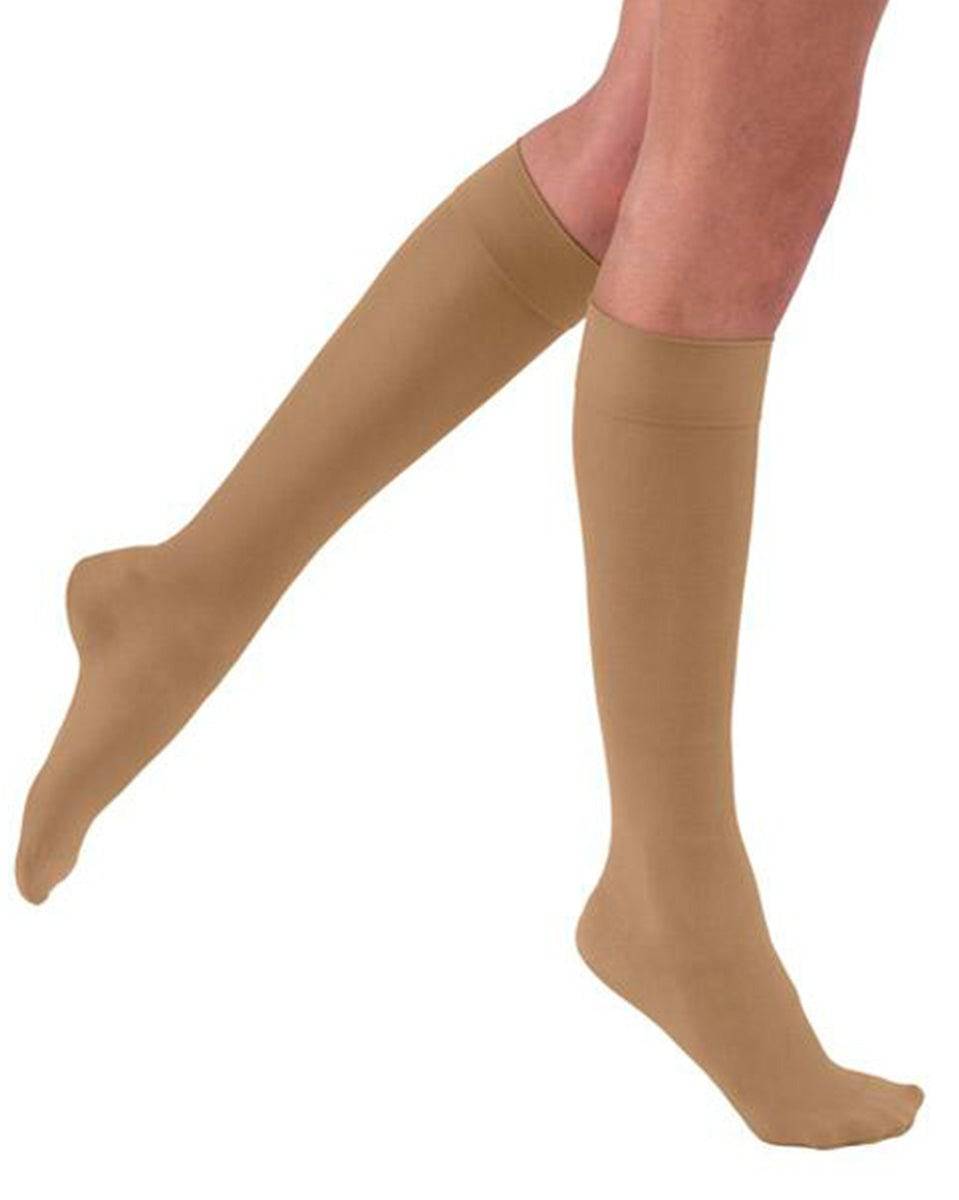
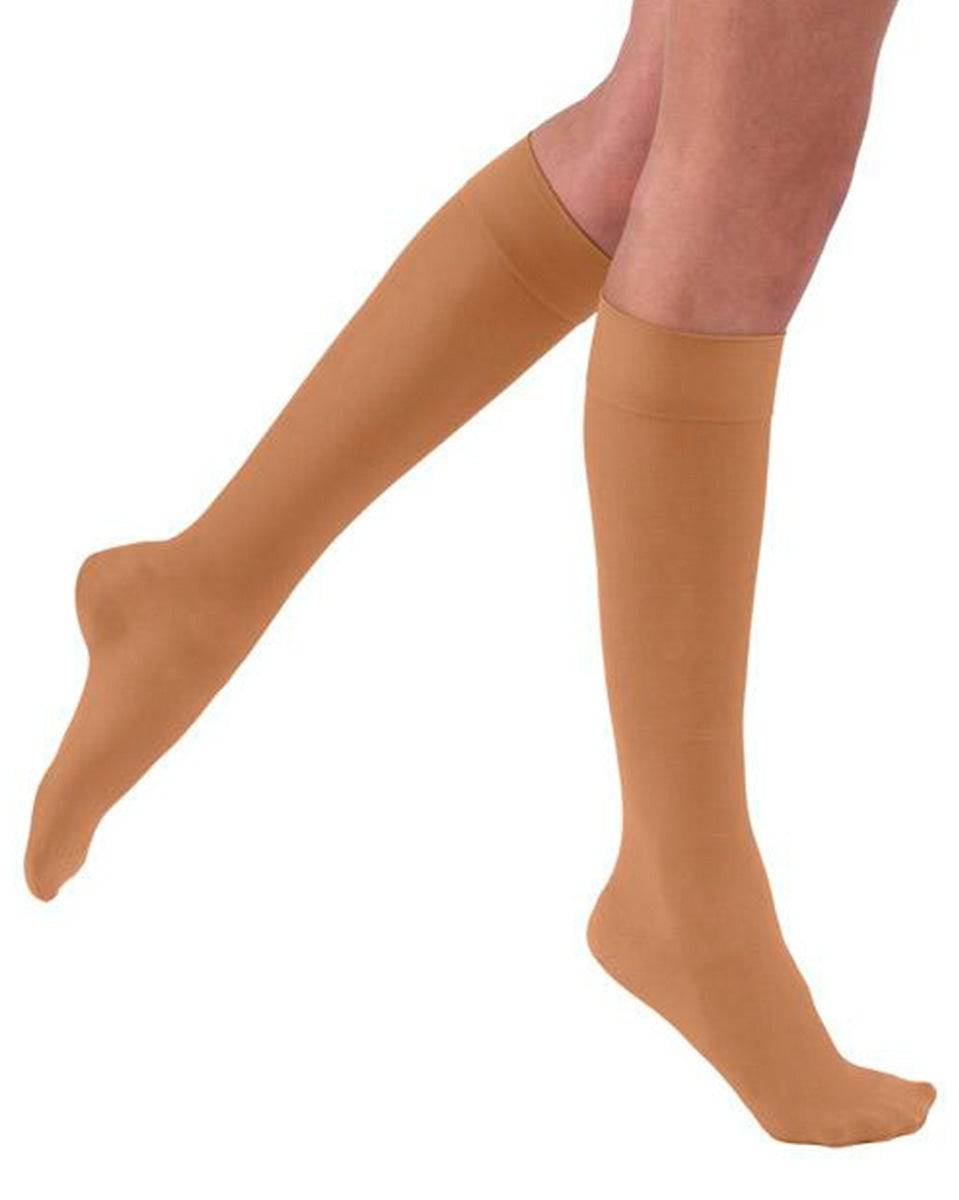
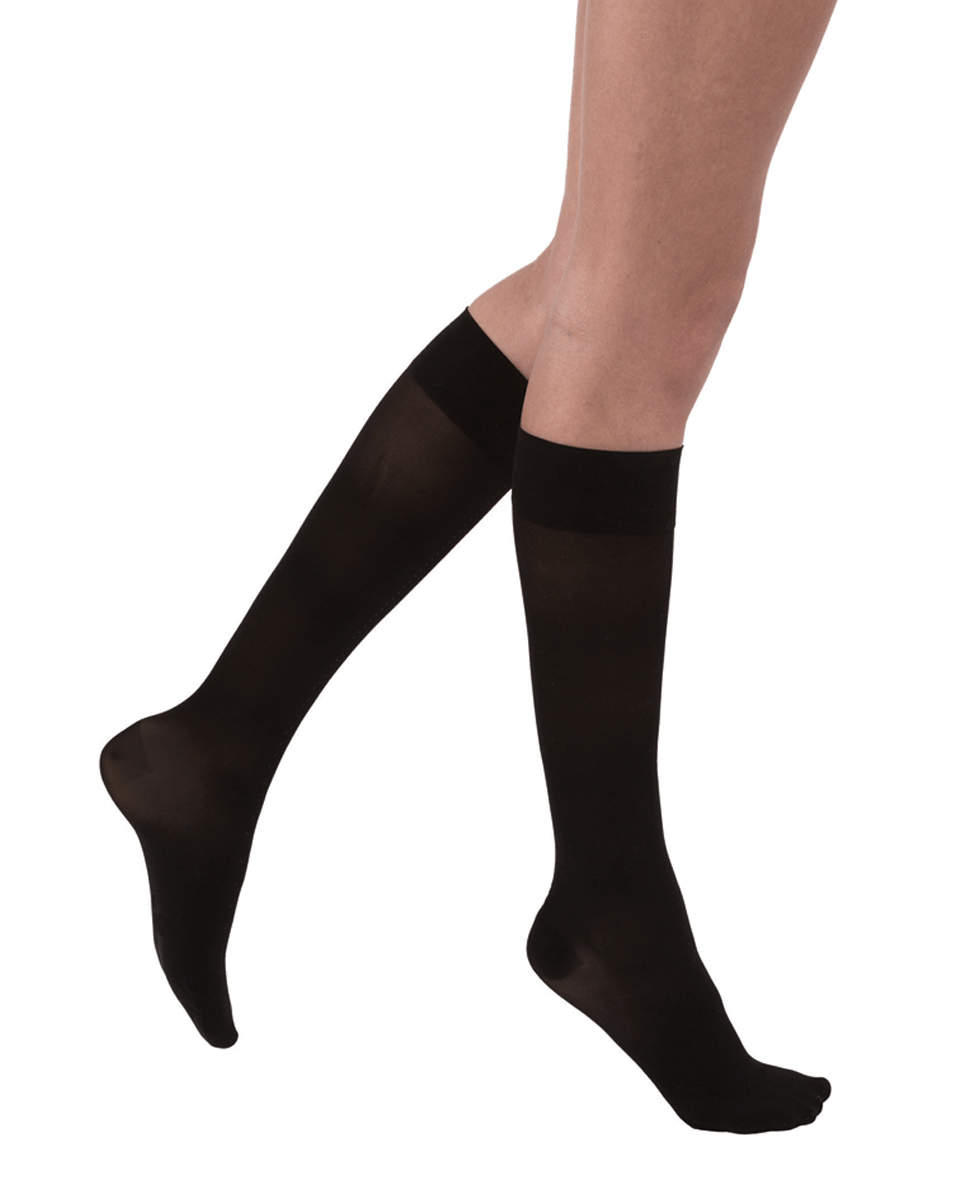
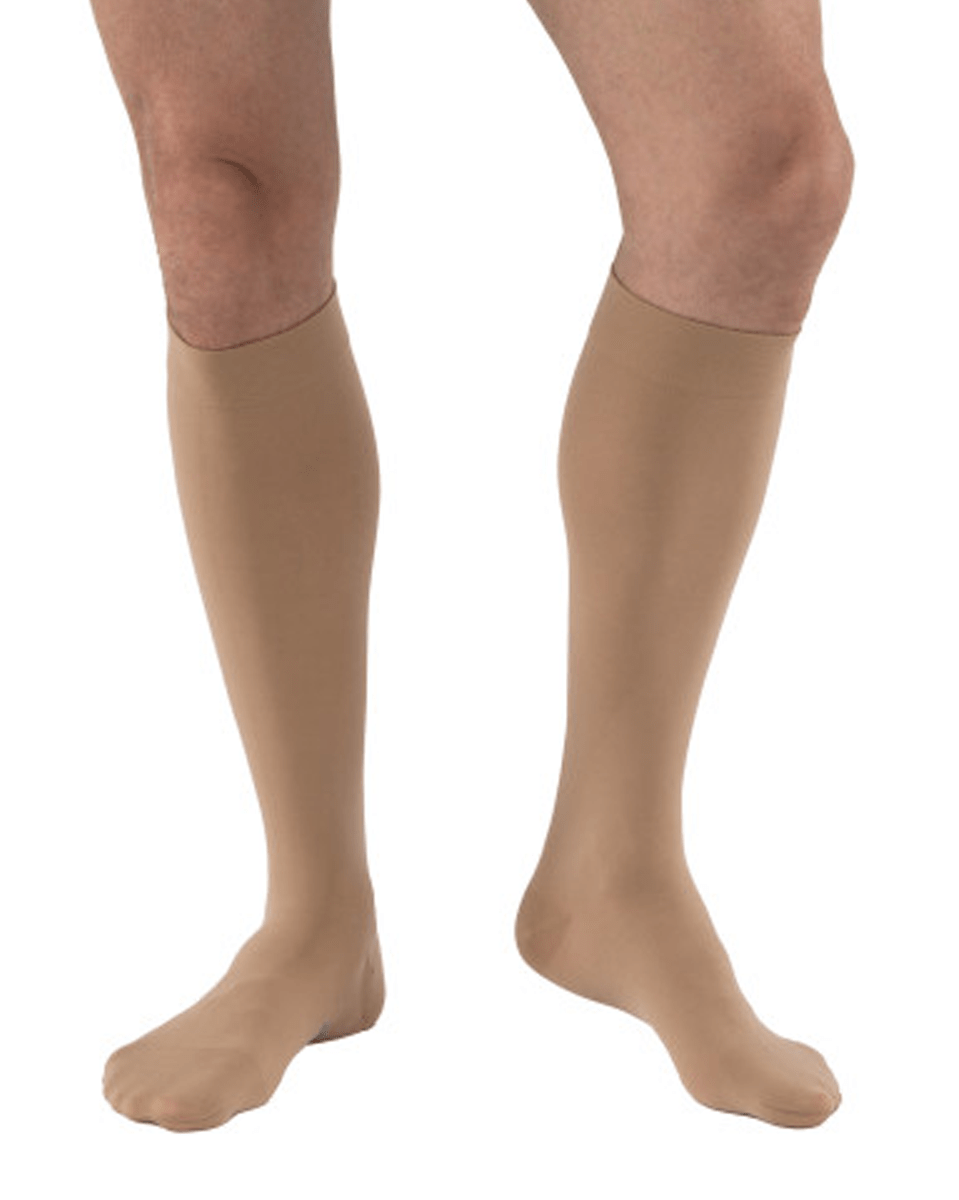
Choosing the Right Fabric for Compression Socks: A Practical Guide
Wearing compression socks all day is easier when the fabric “disappears” — when it feels right, breathes well, and fits your condition and lifestyle. Use this guide to pick the fabric that works for you.
1 | Why Fabric Matters in Compression Socks
-
Fabric affects comfort, breathability, skin health, temperature, and how well compression works (stretch + recovery).
-
The “wrong” fabric can lead to irritation, overheating, slippage, or even reduce the effectiveness of compression.
-
That’s why top medical brands (Sigvaris, Jobst, Juzo, Therafirm) develop proprietary blends and special yarns to optimize function.
👉 In short: fabric is not just a “nice-to-have” — it’s part of the therapeutic design.
2 | Common Fabrics & Their Strengths
Here’s a breakdown of the fabrics you’ll see in compression wear — and when each makes sense:
| Fabric | Pros / Use Cases | Things to Watch / Limitations |
|---|---|---|
| Nylon / Polyamide | Durable, smooth, holds shape well. Ideal for everyday and medical-grade socks. | Can feel warm in hot climates; less cushion. |
| Spandex / Elastane / Lycra | Adds stretch and recovery; essential in all compression socks. | Too much spandex alone feels tight; needs blending. |
| Cotton | Soft, breathable, gentle on sensitive or diabetic skin. | Absorbs moisture; slower drying. |
| Microfiber or “Silk-like” Synthetic Blends | Silky feel, excellent wicking, sleek appearance. | Usually less insulating in cold weather. |
| CoolMax®, Dri-Release®, Moisture-management synthetics | Engineered to pull moisture away quickly; ideal for hot weather, exercise, travel. | May cost more; avoid fabric softeners. |
| Merino Wool / Wool Blends | Natural temperature regulation, odor control, insulation in colder climates. | Can be warm if not blended; watch for sizing stretch. |
3 | What Fabrics Work Best in Each Season
| Season / Climate | Recommended Fabric(s) | Why |
|---|---|---|
| Hot / humid / summer | Microfiber, CoolMax®, nylon blends | Keeps legs cooler and dry |
| Spring / Fall (moderate)** | Nylon-spandex blends | Balanced comfort and support |
| Cold / winter | Wool blends, cotton + synthetic blends | Insulation while maintaining compression |
| Indoor / office all year | Microfiber, nylon | Versatile, smooth, discreet under clothes |
Tip: If you live in a place with sharp temperature swings (e.g. cold morning, hot afternoon), consider layering or owning two pairs — one lightweight and one warmer.
4 | Matching Fabric to Medical Conditions
Patients often ask: “Which fabric is safest for my condition?” Here’s a simplified guide — always confirm with your physician or vascular specialist.
| Condition / Use Case | Best Fabric Choice | Why This Works |
|---|---|---|
| Varicose veins, DVT prevention | Nylon + spandex blend | Firm support, durable, consistent compression |
| Lymphedema | Soft microfiber or cotton blends | Gentle on sensitive or swollen skin |
| Diabetes / fragile skin | Cotton or blended microfiber | Breathable, non-constrictive, hypoallergenic |
| Post-surgery / wound healing | Silk or soft cotton blends | Low friction, reduced skin irritation |
| Performance / athletic recovery | Moisture-managing synthetics | Temperature control, quick-dry, odor control |
⚠️ Important: Compression strength (mmHg), sizing, and correct application often matter more than fabric alone. Fabric is a comfort + durability layer — not the entire prescription.
5 | Choosing Fabric by Occasion & Lifestyle
Your daily habits shape what “works best.” Here’s guidance based on what you do:
| Scenario / Lifestyle | Recommended Fabrics | Why |
|---|---|---|
| Office / business wear | Microfiber, sleek nylon blends | Smooth, hides under dress clothes |
| Travel / flights | Moisture-wicking synthetics + nylon | Helps with swelling, keeps legs dry on long flights |
| Active / gym / running | CoolMax®, Dri-Release®, high-synthetic blends | Sweat control, recovery, ventilation |
| Pregnancy / long periods of standing | Cotton blends, stretchy microfiber | Gentle, breathable, reliable support |
| Everyday casual / errands | Cotton-mix or microfiber | Comfortable for all-day use |
| Outdoor / cold-weather jobs | Wool-mix or warm blends | Insulating while maintaining compression |
6 | Fabric Care: How to Wash & Maintain for Longevity
Just like your socks, good habits extend their life and keep compression consistent.
-
Cold water wash (hand wash or gentle machine cycle)
-
Use mild detergent; no bleach
-
Do not use fabric softeners (kills wicking, reduces compression efficacy)
-
Air-dry flat — avoid high heat or tumble drying
-
For wool or delicate blends, wash separately or inside a mesh laundry bag
Proper care preserves stretch, appearance, and performance.
7 | Quick Comparison Table & Buying Tips
| Your Top Concern | Best Fabric Option | Quick Buying Tip |
|---|---|---|
| Heat & sweat | CoolMax® / microfiber | Go for synthetics engineered for moisture |
| Sensitive / diabetic skin | Cotton or soft blends | Look for seamless or “gentle contact” lines |
| Daily medical use | Nylon + spandex | Pick durable, high-quality brands |
| Cold climate | Wool blends or insulated synthetics | Check for blends with wool + performance fibers |
| Multipurpose (all seasons) | Versatile nylon-microfiber blend | One pair that “does OK” in many settings |
When listing products on your site or writing click-through links, highlight the fabric in product names / filters (e.g. “Microfiber Daily 20–30 mmHg”). That helps buyers match their need to fabric intuitively.
8 | Final Thoughts
-
Fabric is not a small detail — it’s the layer between your skin and therapeutic compression.
-
Always prioritize correct compression level, fit, and ease of use first — then choose the fabric that complements your condition, climate, and lifestyle.
-
At CompressionSale.com, you can filter by fabric + compression + use case to find exactly the sock that works for you.
“The best compression sock is the one you will wear… all day, comfortably.”