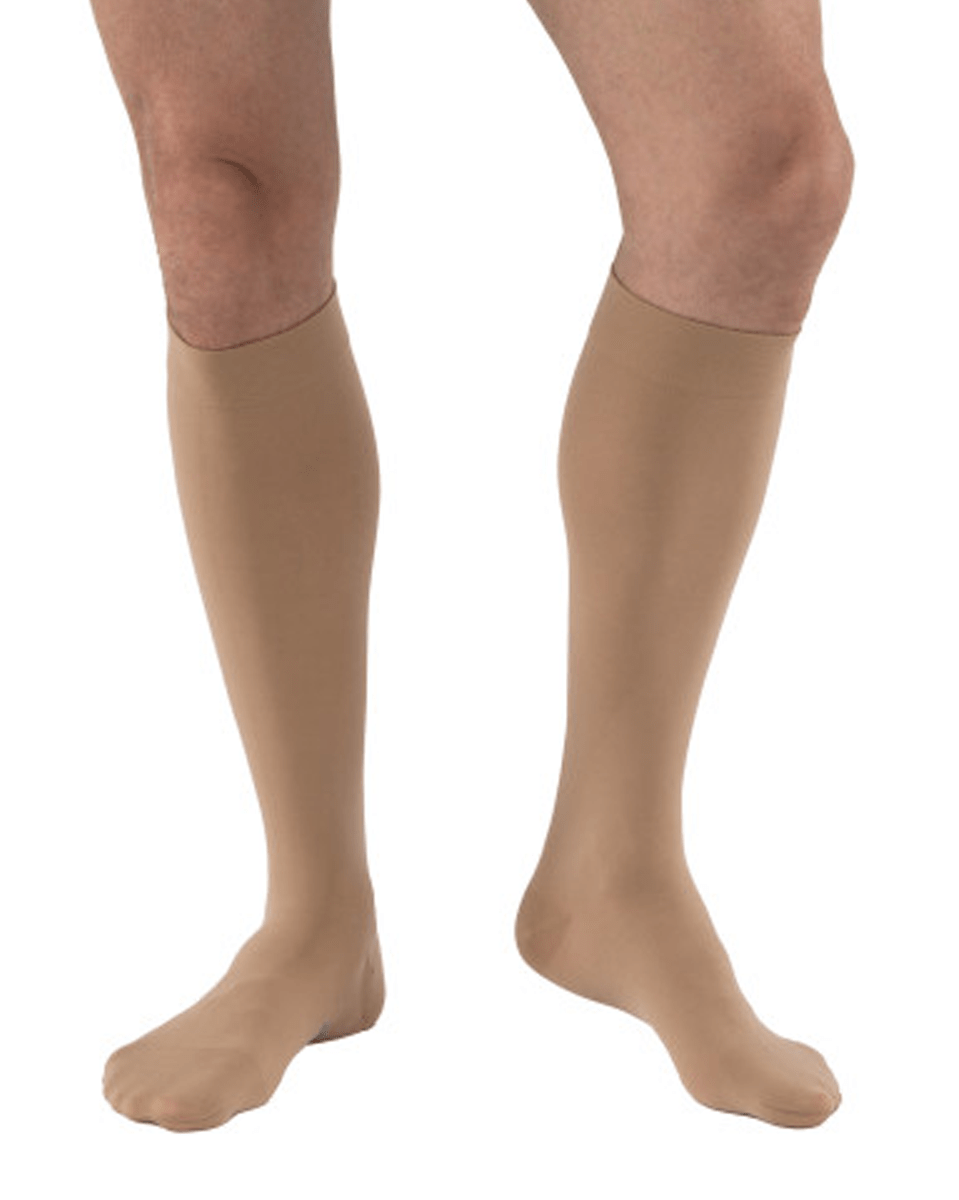
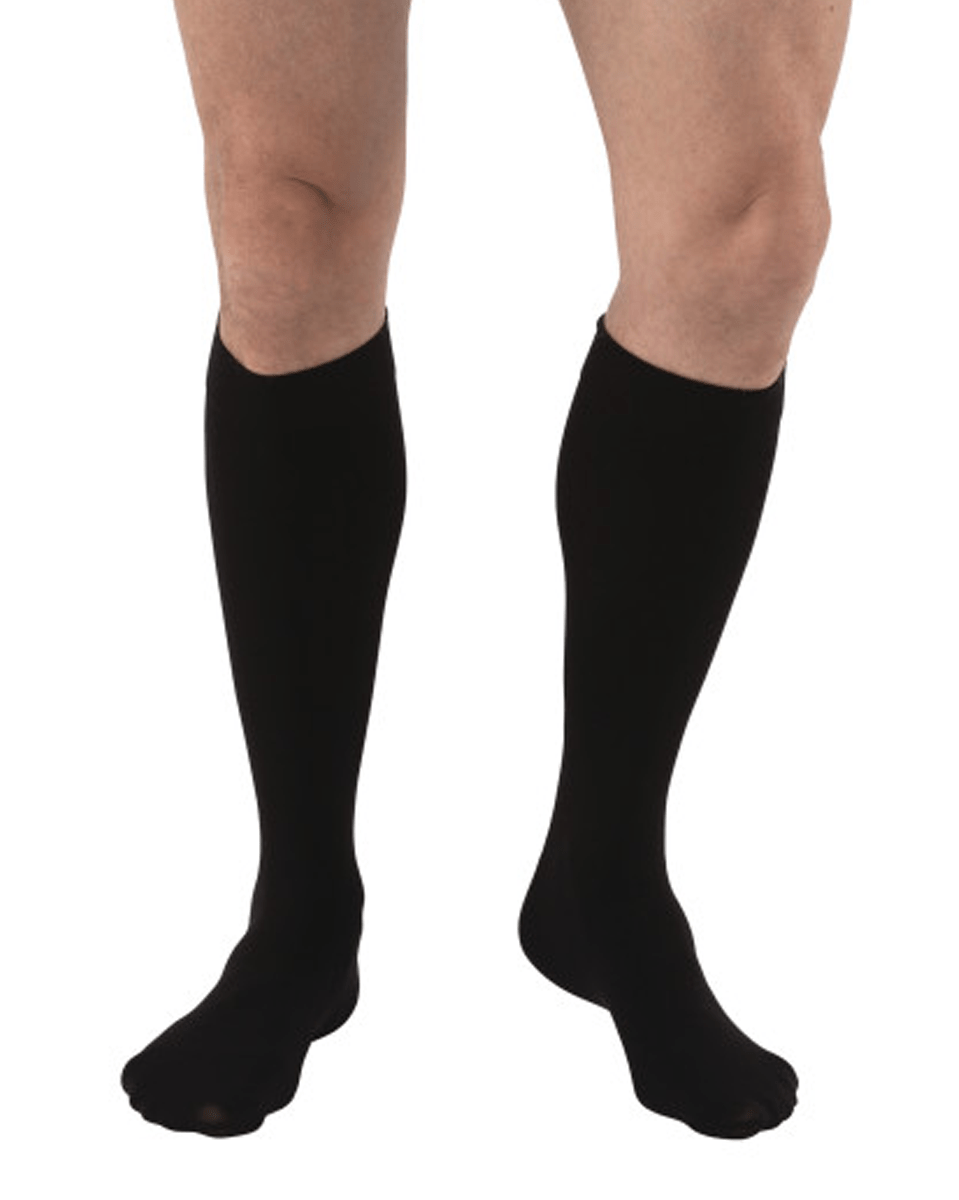
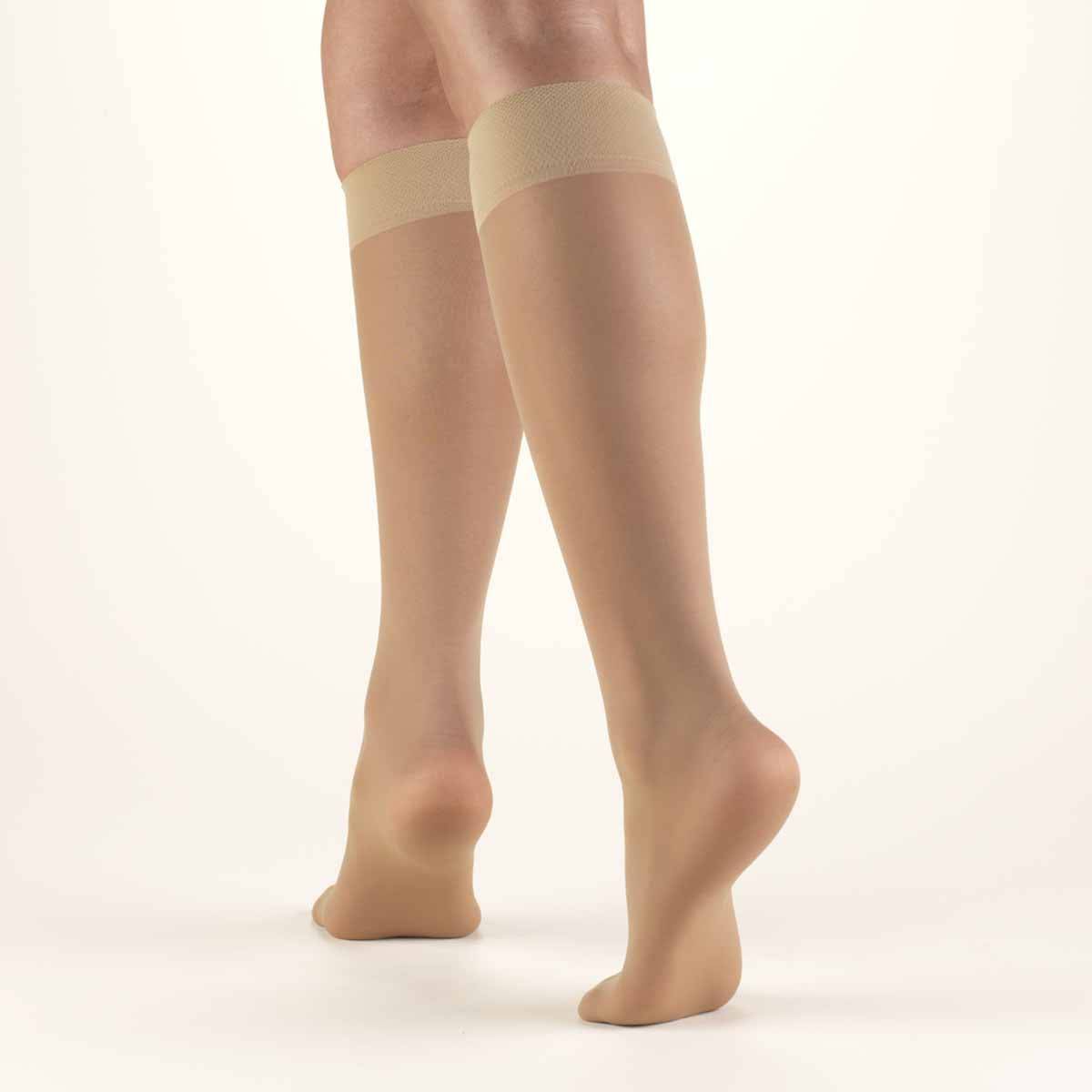
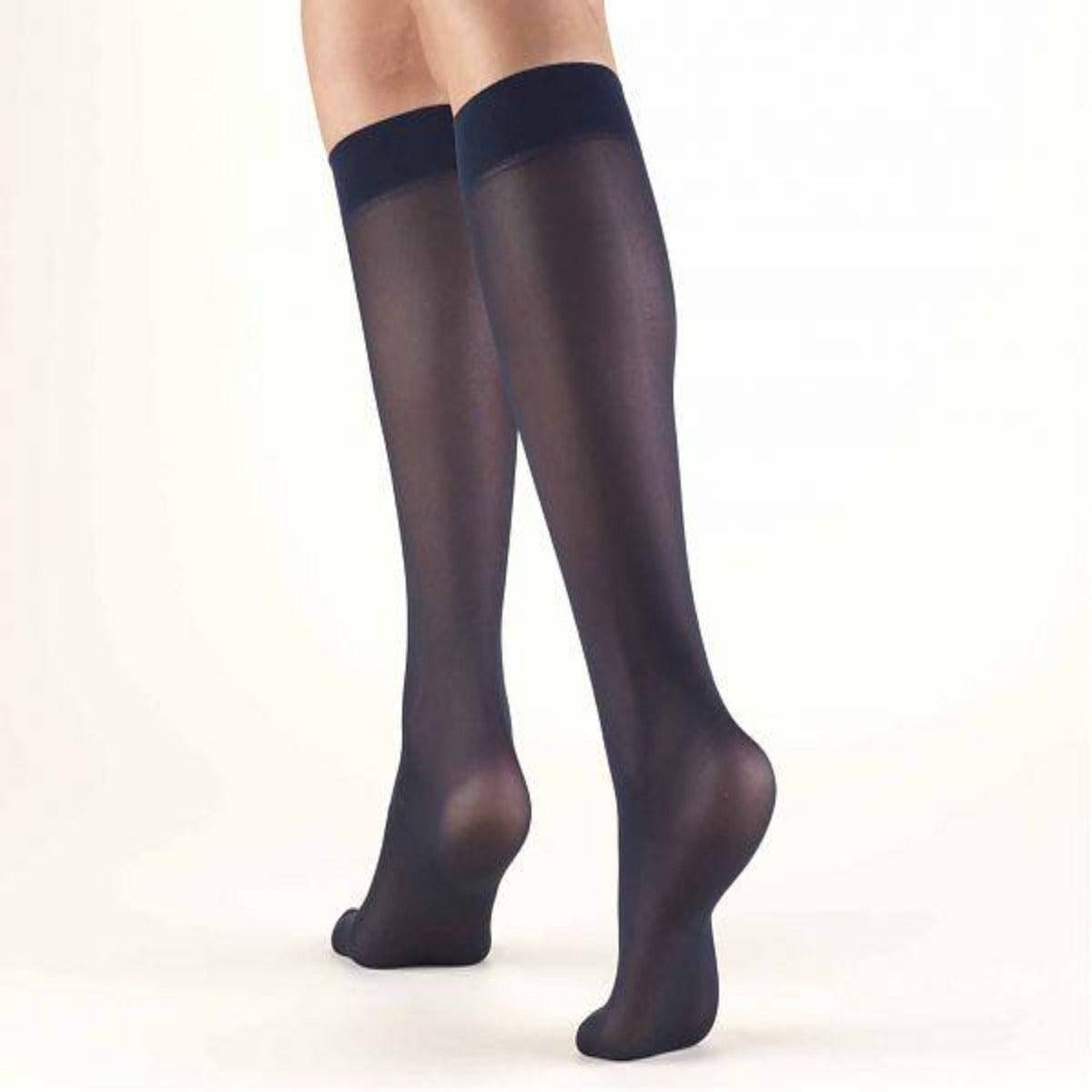
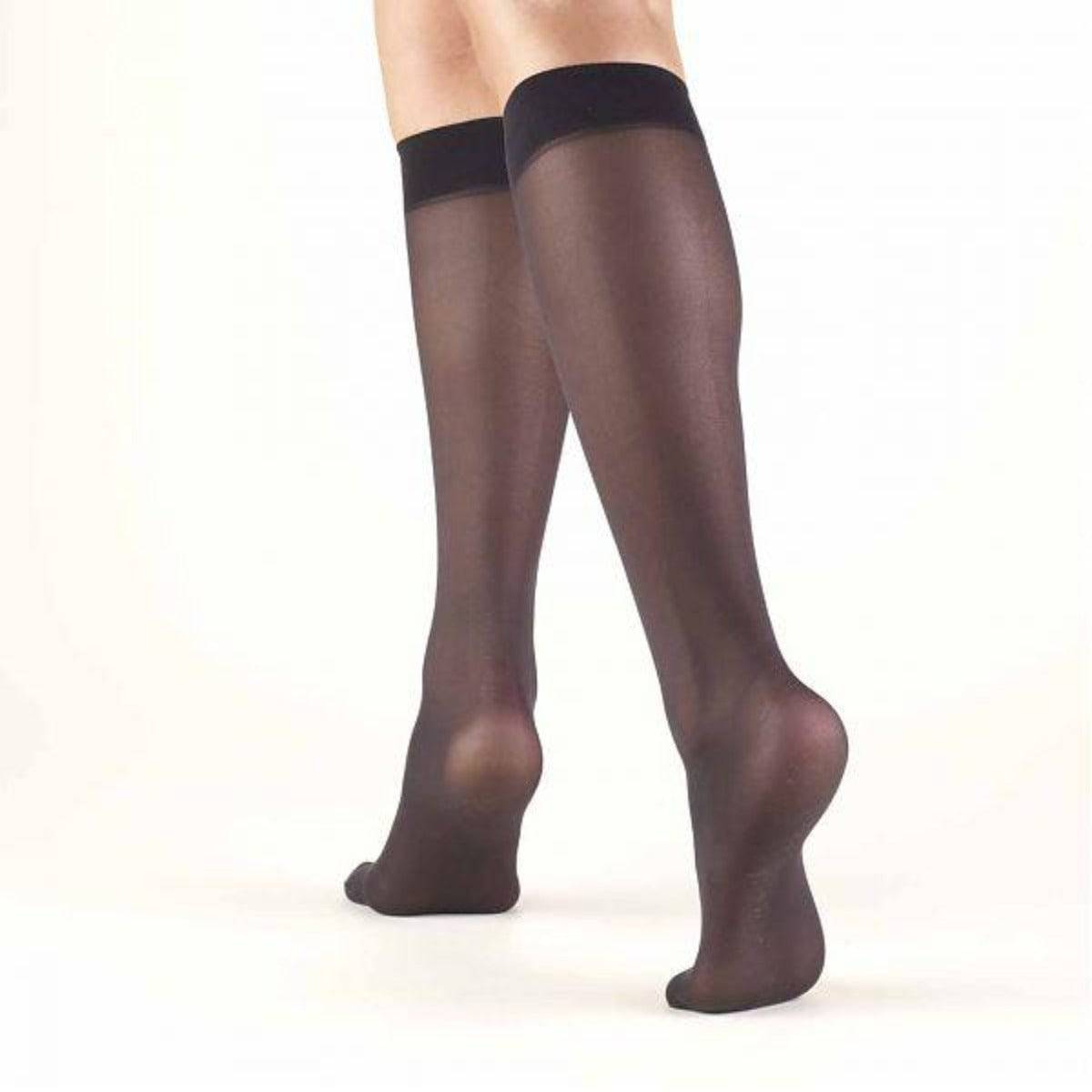
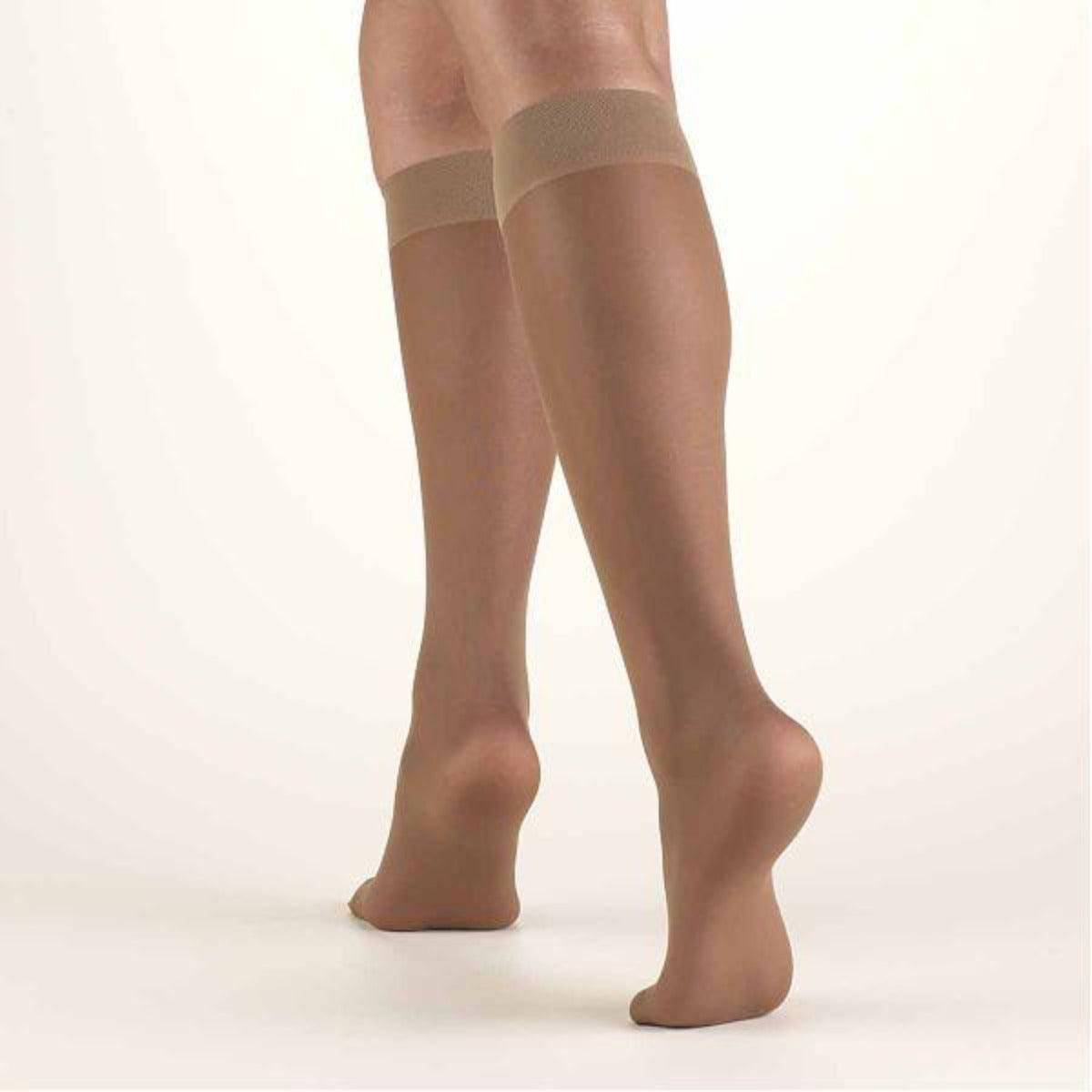
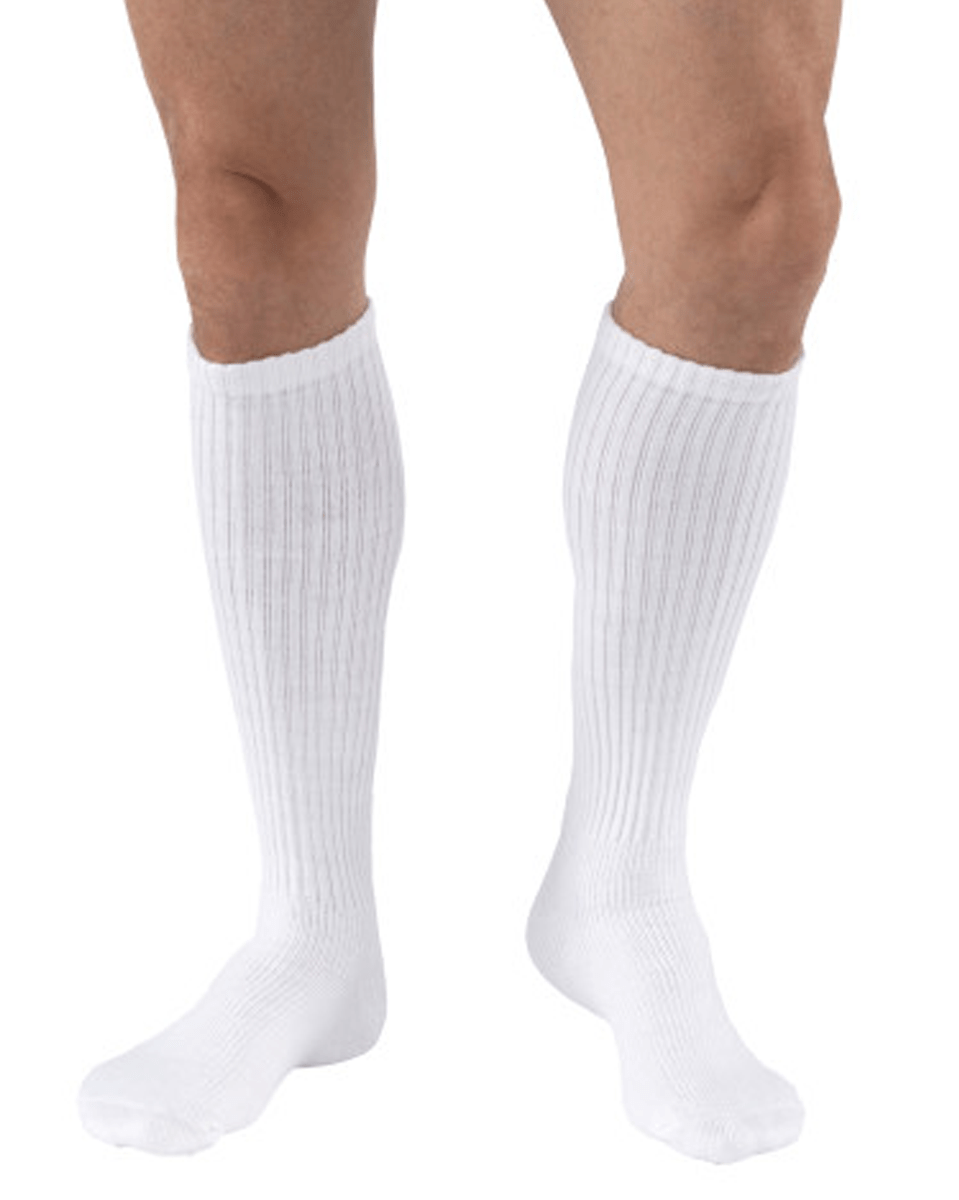
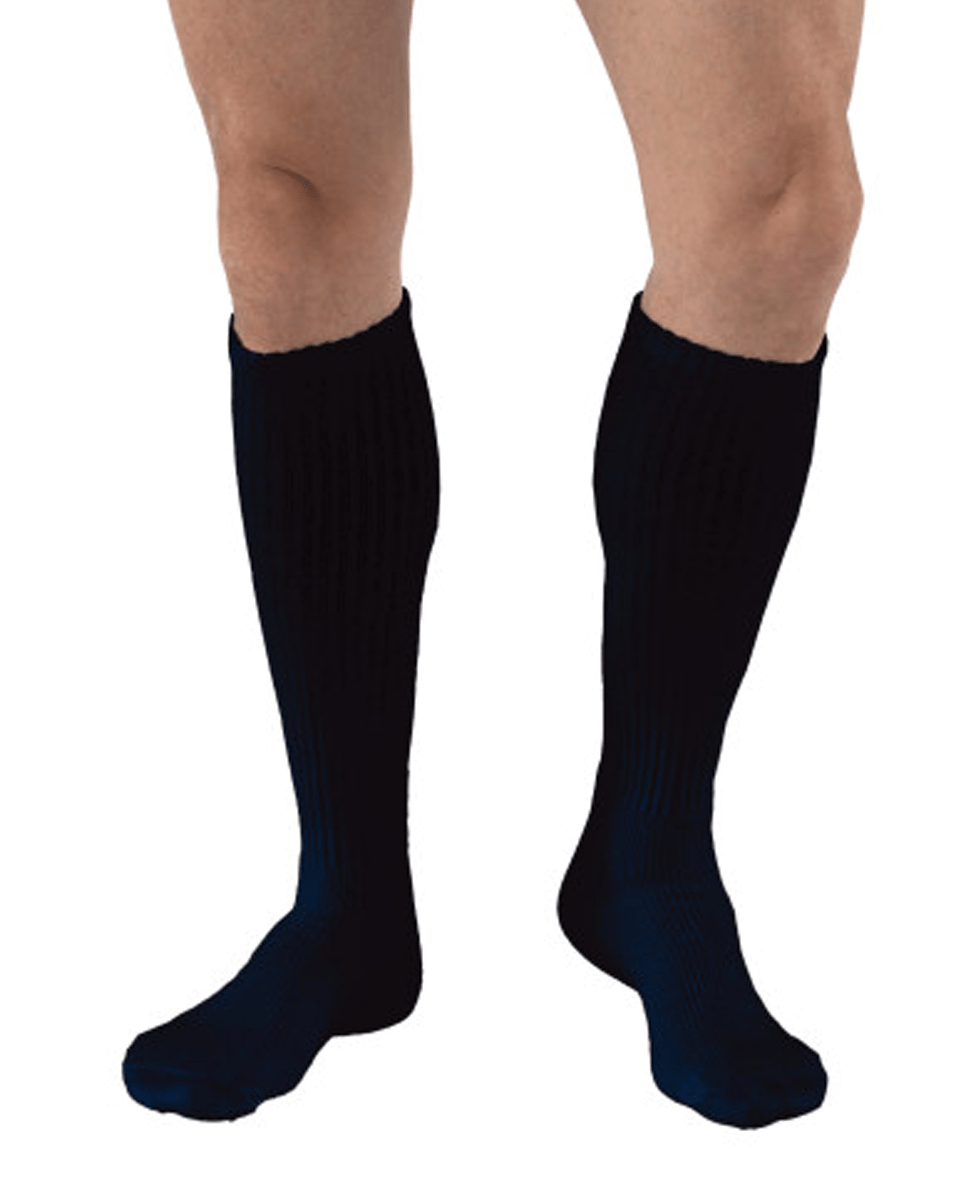
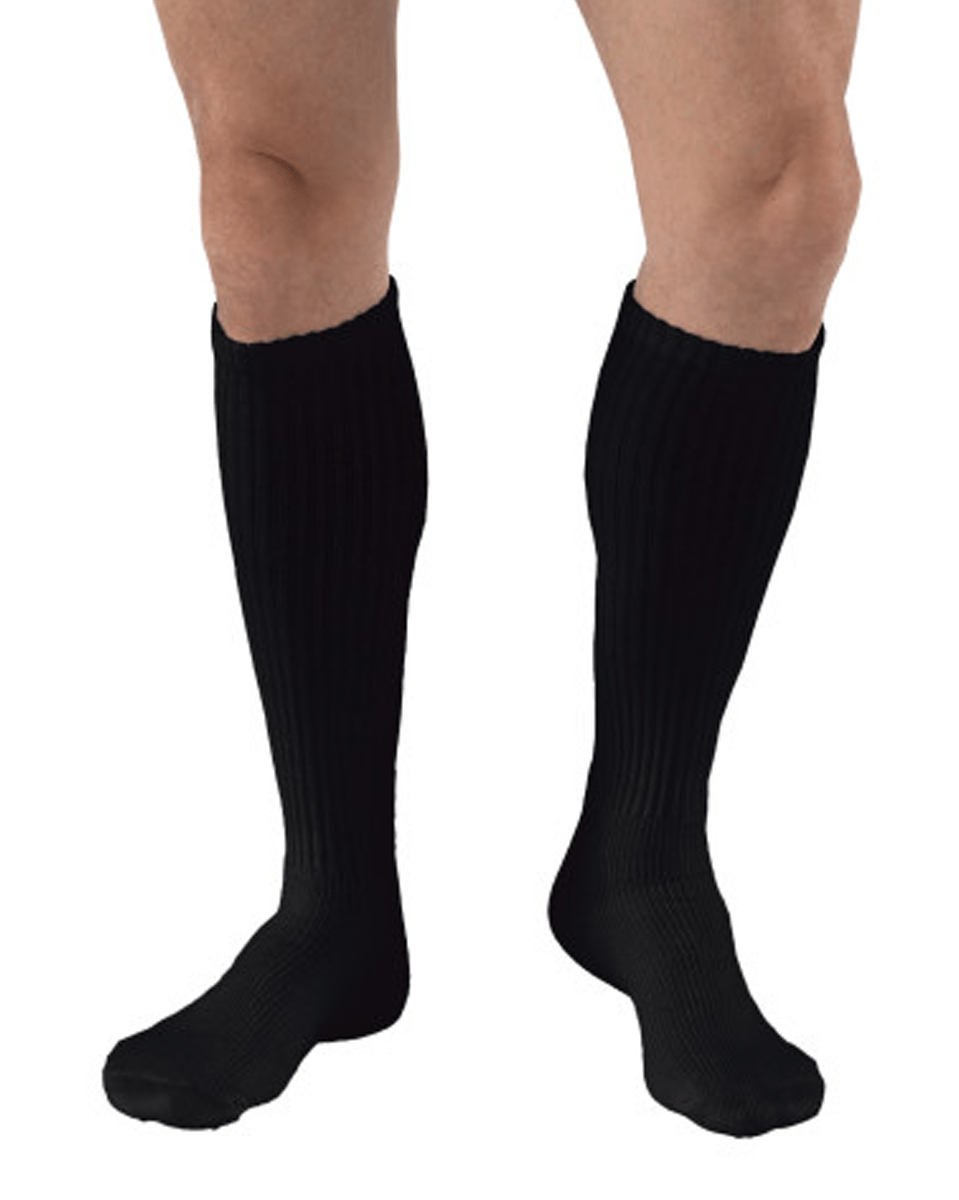
No matter if you stand at work or sit behind a desk, your legs are probably familiar with tiredness and pain. This widespread health issue touches millions and can have a strong effect on people’s ability to work, move, and enjoy life. Luckily, using compression therapy is easy, requires no surgical steps, and works naturally. We examine how compression socks for tired legs may really help, who should try them, and why this century-old approach is getting noticed again.
What Is Compression Therapy?
You can use compression therapy by having special socks or stockings that help compress your legs and ankles. For these reasons, blood moves more freely, the veins are held in place and swelling in the vessels is decreased to help the heart supply blood.
The result? Less swelling, increased oxygen supply to leg muscles, a shorter fatigue period, and relief from sore and burning leg sensations.
How Compression Socks Help Aching Legs
If you’ve ever asked, "Do compression socks help aching legs?" the answer is a resounding yes—for most people. Here’s how:
1. Improved Blood Circulation
Blood pooling in the legs Long periods of sitting or standing can cause the blood to clot which results in discomfort and swelling. As a result, one can keep their feet moving and help blood flow upwards.
2. Reduced Leg Fatigue and Pain
Having less discomfort and tiredness in the legs while walking. Putting on compression socks for achy legs lowers the number of muscle vibrations and aids in their recovery which leaves you less tired and less sore at the end of the day.
3. Decreased Swelling (Edema)
There is less edema experienced. Applying mild compression can reduce the amount of swelling in the lower limbs, especially if someone is likely to get swollen or works for extended periods without much movement.
4. Prevention of Varicose Veins
How to avoid Varicose Veins: Varicose veins could result in nonstop aching. The purpose of compression socks is to keep blood vessels from becoming bigger so you won’t feel uncomfortable.
5. Support for Muscle Recovery
Improved muscle recovery has advantages for people other than athletes. Leg troubles affecting a person on a regular basis can improve with support from compression. Athletes aren’t the only ones who benefit from improved muscle recovery. Anyone who experiences regular leg discomfort can benefit from the postural and circulatory support that compression provides.
Who Should Use Compression Socks for Aching Legs?
These socks benefit many more people than just older and expert runners. If the above symptoms apply to you, it may be beneficial to use compression therapy.
-
Work on your feet (nurses, retail staff, construction workers)
-
Have a sedentary job (desk workers, drivers, programmers)
-
Experience swelling or mild edema
-
Are pregnant and dealing with increased fluid retention
-
Travel often (especially long-haul flights)
-
Have a family history of varicose veins or circulatory issues
For aching legs, choose compression socks that match your preferred level of compression and fit well. A typical first step is to use mild pressure (8-15 mmHg); however, those with stubborn symptoms may try moderate pressure (15-20 mmHg).
Compression Sock Features to Look For
When shopping for compression socks for achy legs, consider the following features:
-
Graduated Compression: The highest pressure is applied at the ankle, which helps blood move up the leg.
-
Moisture-Wicking Fabric: Footwear with Moisture-Wicking Fabric helps to remove sweat from the feet and lower the threat of blisters and fungal infection.
-
Seamless Design: The design makes sure that sensitive skin won’t be irritated or rubbed.
-
Reinforced Heel and Toe: Reinforced Heel and Toe gives you stronger and better support in the parts that experience wear and tear.
Lifestyle Tips to Complement Compression Therapy
Although compression socks work well, you can improve even more by adding healthy routines.
-
Take Frequent Breaks: Every 30–60 minutes, get up from your chair and walk around to prevent prolonged sitting.
-
Stretch Your Legs: Stretching your muscles or ankles can help your blood flow.
-
Stay Hydrated: Ensure you have enough fluids for proper hydration, as it supports circulation and muscle health.
-
Elevate Your Legs: When resting, raise your legs to help blood flow back toward your heart.
Trending FAQs: Compression Socks for Aching Legs
Do compression socks really help with aching legs?
A: Yes, especially when the pain is caused by poor blood flow, being on your feet or seated for a long time, or some swelling.
When should I wear compression socks for achy legs?
A: Slip on your shoes during the day, mainly when you are on your feet most of the day or sitting too long. Only leave them on while you sleep if your doctor tells you to do so.
How tight should compression socks feel?
A: They ought to be comfortable rather than causing discomfort. You should not experience numbness or tingling.
What compression level is best for everyday leg pain?
A: The majority of people experience relief when using compression socks that offer 15-20 mmHg pressure. An effective starting point for light support is 8 to 15 mmHg.
Are there specific socks for men and women?
A: Even though compression socks are usually made without gender differences, many companies offer separate sizing for men and women.
Final Thoughts: Relief Is Just a Sock Away
If you have sore and tired legs, compression therapy might be a good option. Compression socks for tired legs are easy to get, easy to use and based on expert knowledge, providing a natural remedy that doesn’t involve drugs. If you choose proper socks and make minor changes in your daily habits, circulation improves, swelling reduces and you feel more energetic during the day.
You can try compression therapy while working, even just for help with annoying leg pain and it might be one of the best things you ever do for your well-being and comfort.