Lymphedema happens when a person’s body collects extra liquid that leads to swelling and sometimes pain, which causes the person much frustration.Using the correct compression garment when you have an injury on your arms, legs, or different body parts is very beneficial.
In this guide, you will learn how compression garments aid in controlling lymphedema, get helpful usage ideas, and discover why many medical experts across the globe value them.
What Is Compression Therapy?
Compression Therapy tells you how the application of pressure benefits blood circulation. Using compression therapy is recommended by doctors to deal with lymphedema-related swelling. It works by giving gentle and regular massage to the area in question, supporting the lymph fluid in moving properly.
When done correctly, compression can:
-
Reduce swelling
-
Prevent the fluid from building up again.
-
Support muscle activity to pump lymph fluid.
-
Ease discomfort and tightness in swollen tissues.
Most people would rather wear compression garments than wraps or bandages, since these pieces are made for longer time frames.
Why Compression Garments Are Important for Lymphedema
The main aim of wearing compression garments is to help the lymph system and make movement easier. Counter-suit garments can be used by people with mild or moderate retention whenever they go out or exercise.
They help by:
-
Applying even pressure across the limb or affected area
-
Encouraging lymph drainage
-
Reducing the risk of further swelling or infection
-
Improving comfort and quality of life
Using compression socks is a way people with lymphedema can enjoy some relief. Putting on compression socks is a key procedure for dealing with leg lymphedema.
Types of Compression Garments
The area where you need compression will help decide which kind of compression garment to wear. Let me discuss the main types of these traits.
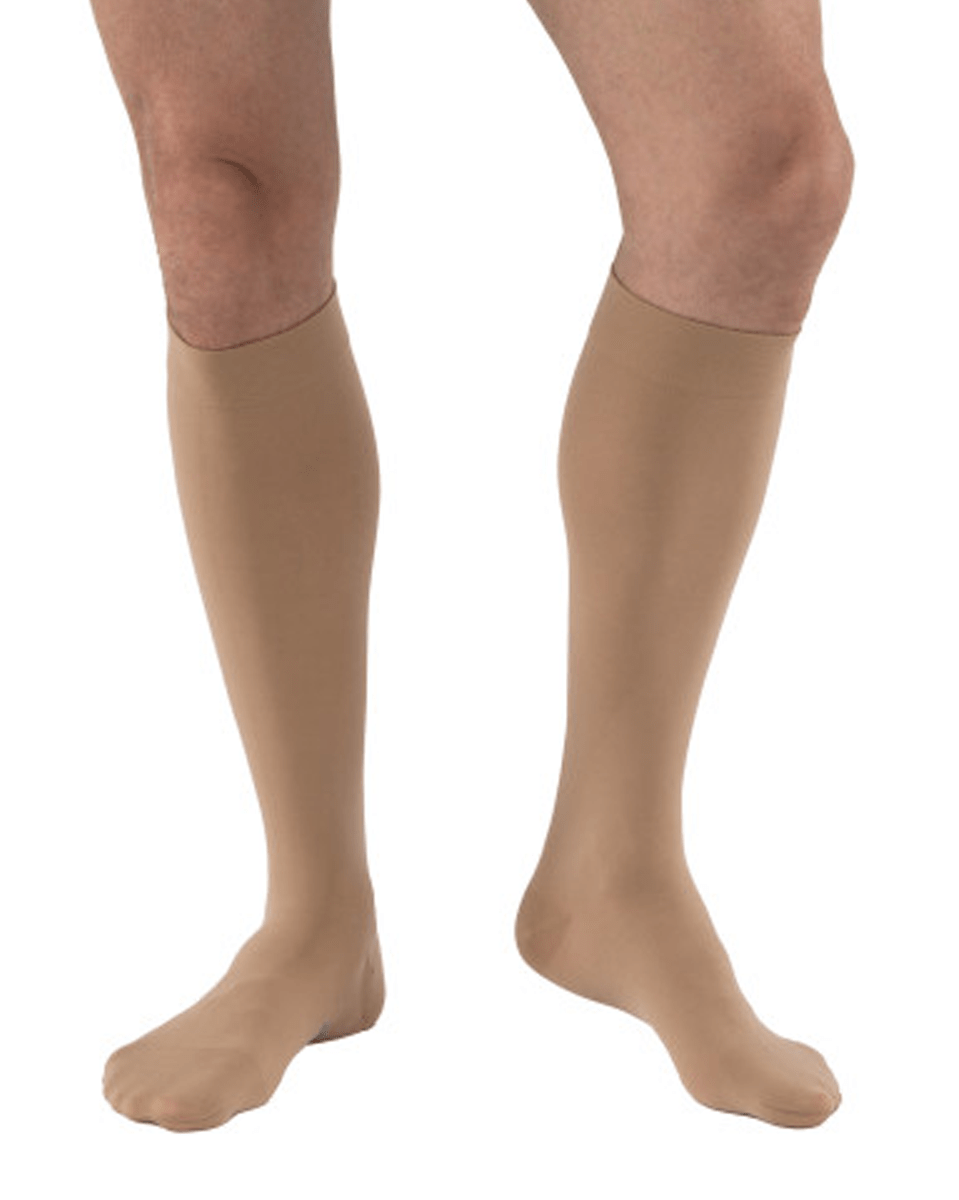
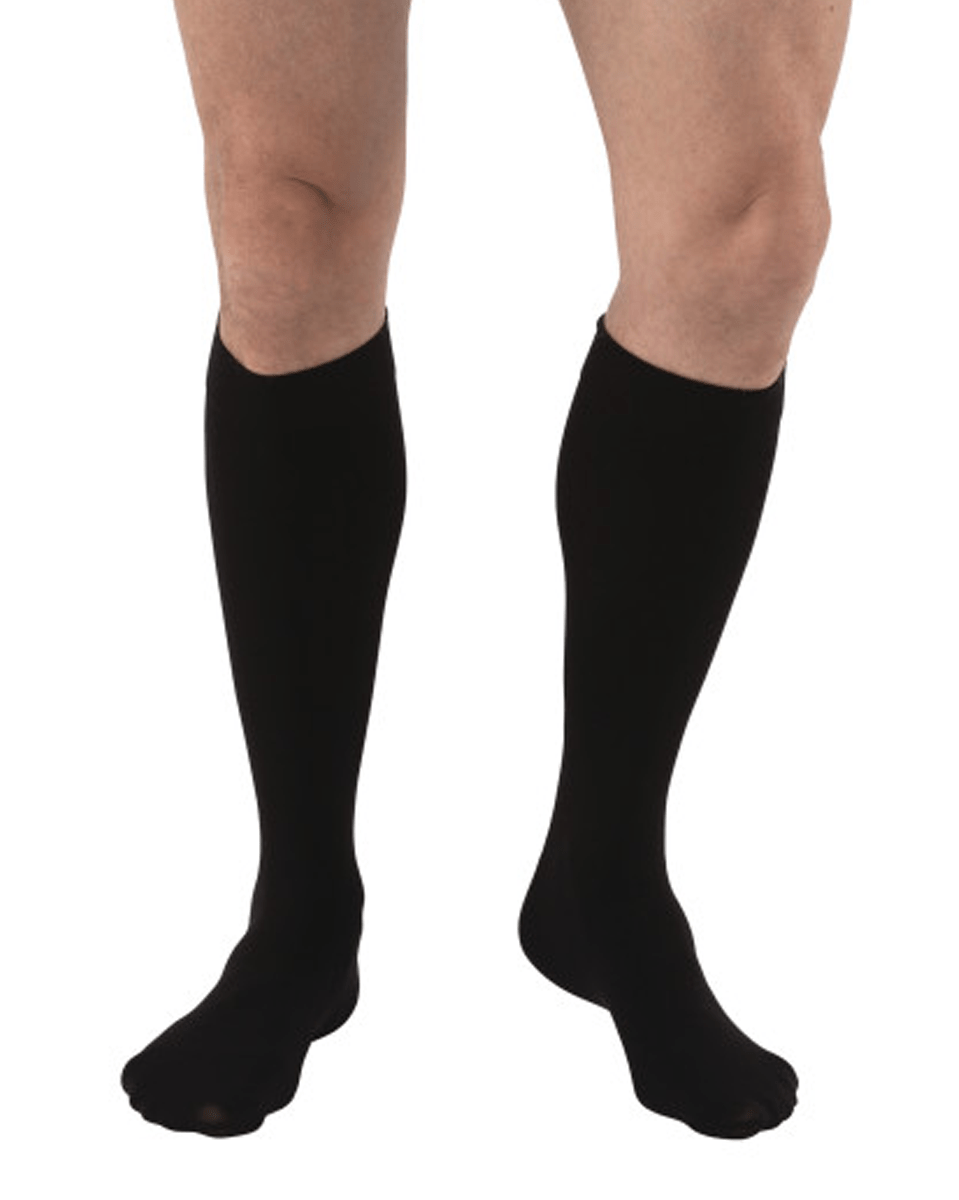
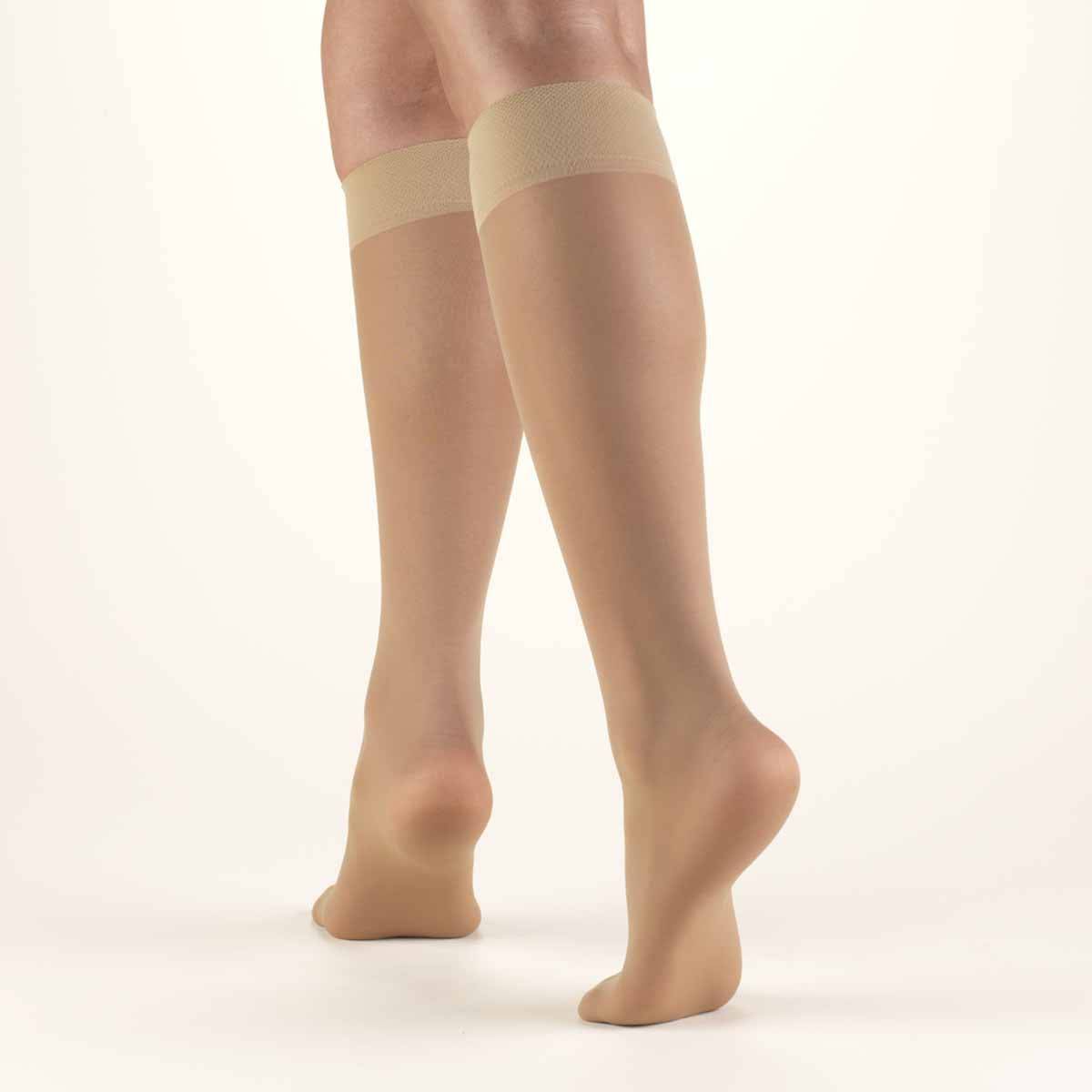
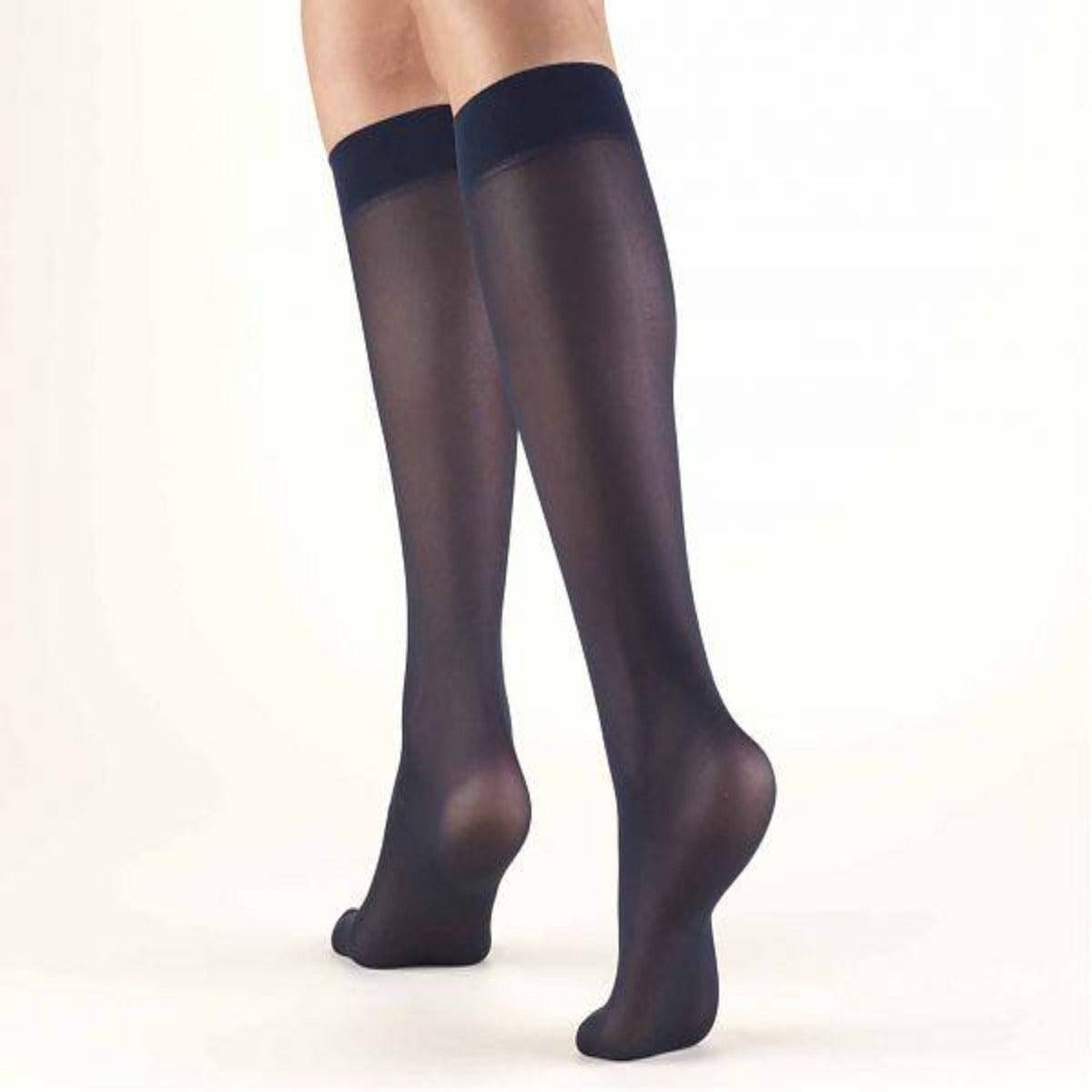
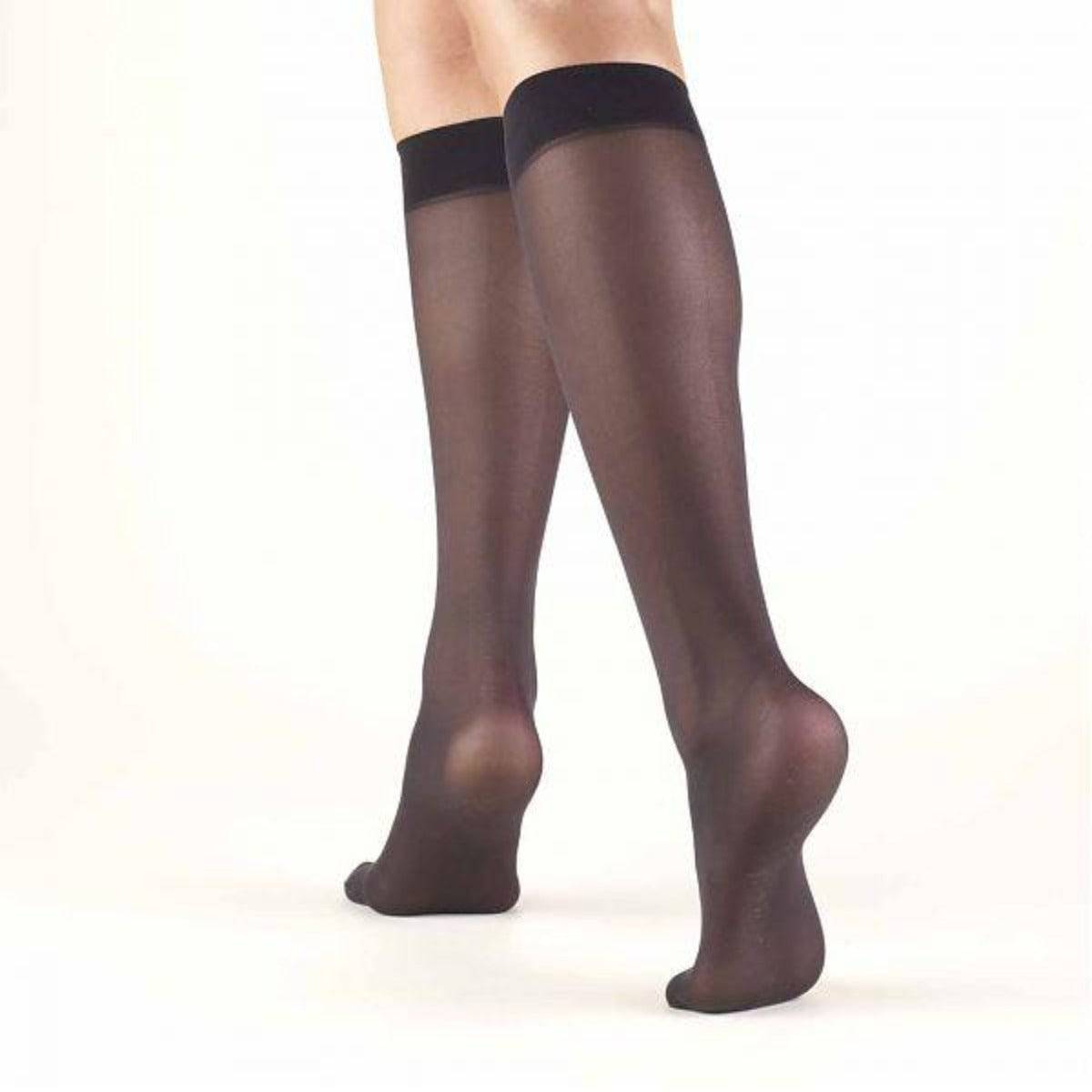
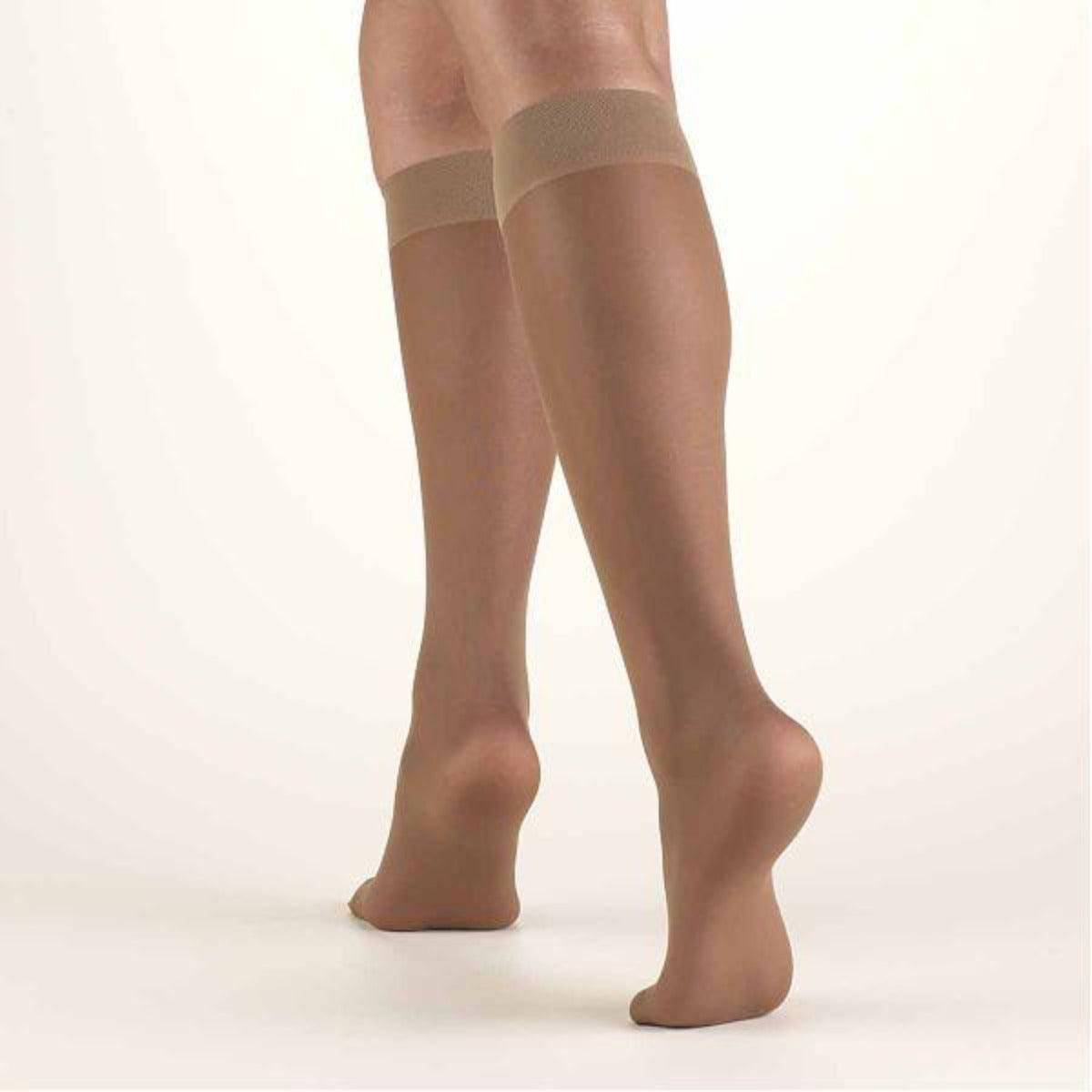
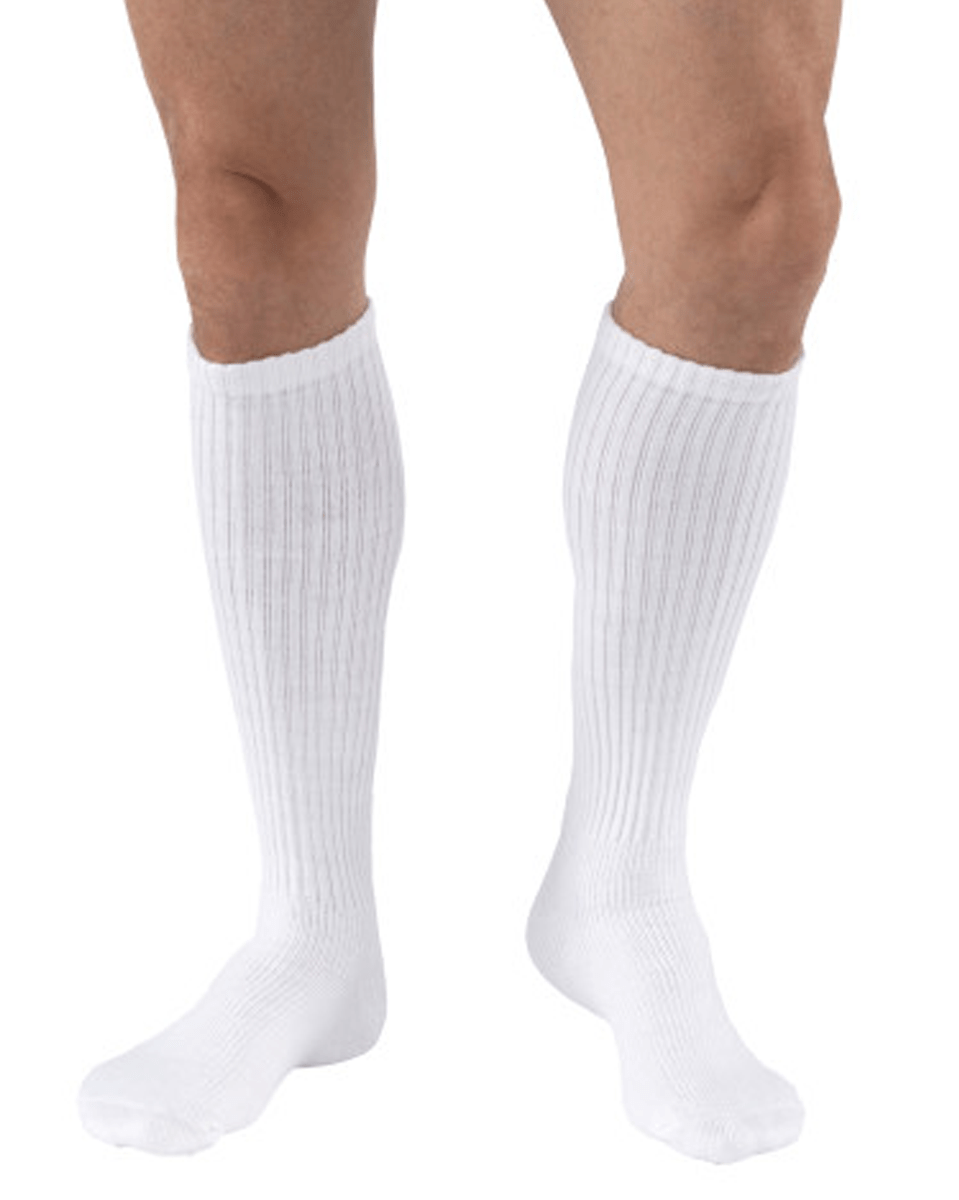
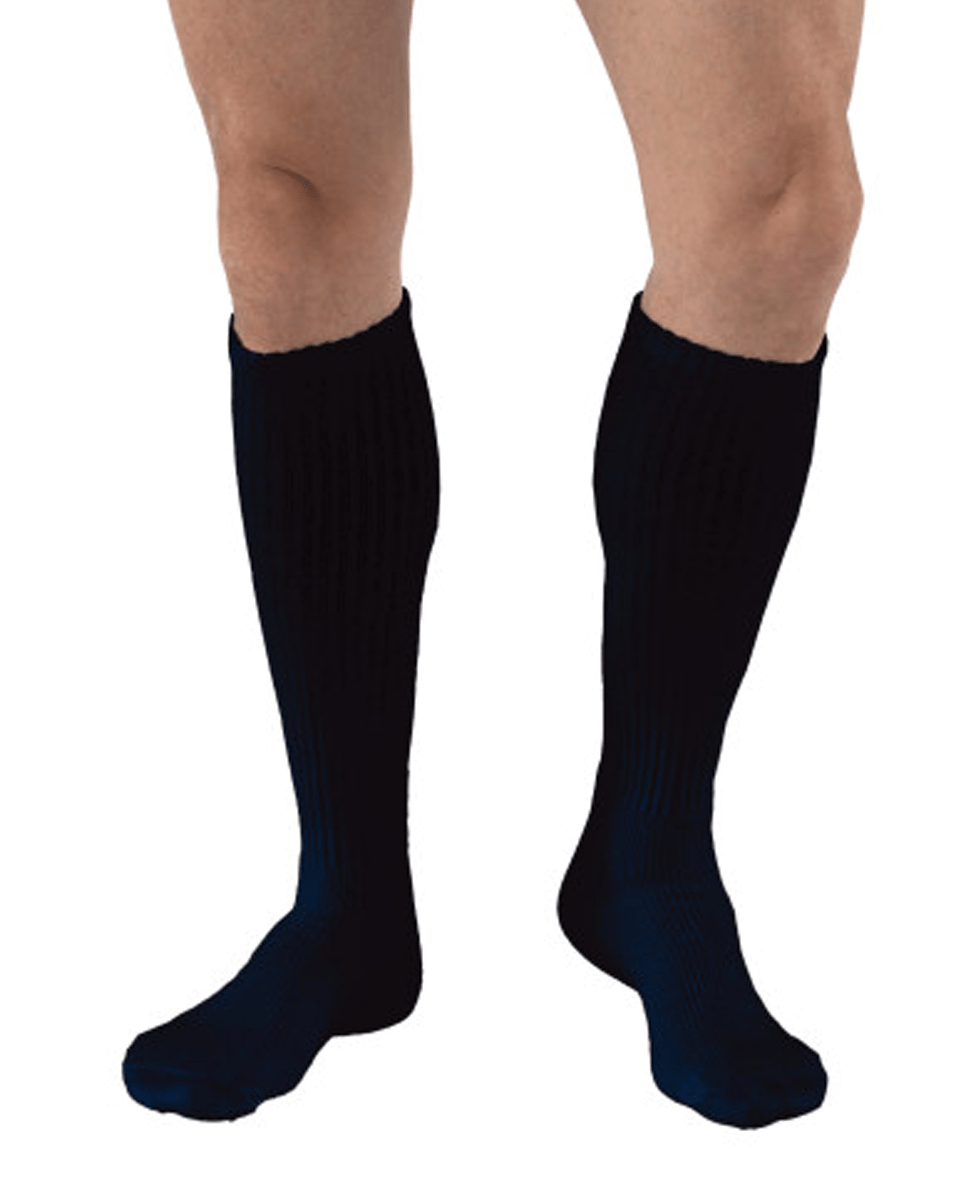
1. Compression Socks or Stockings for Lymphedema
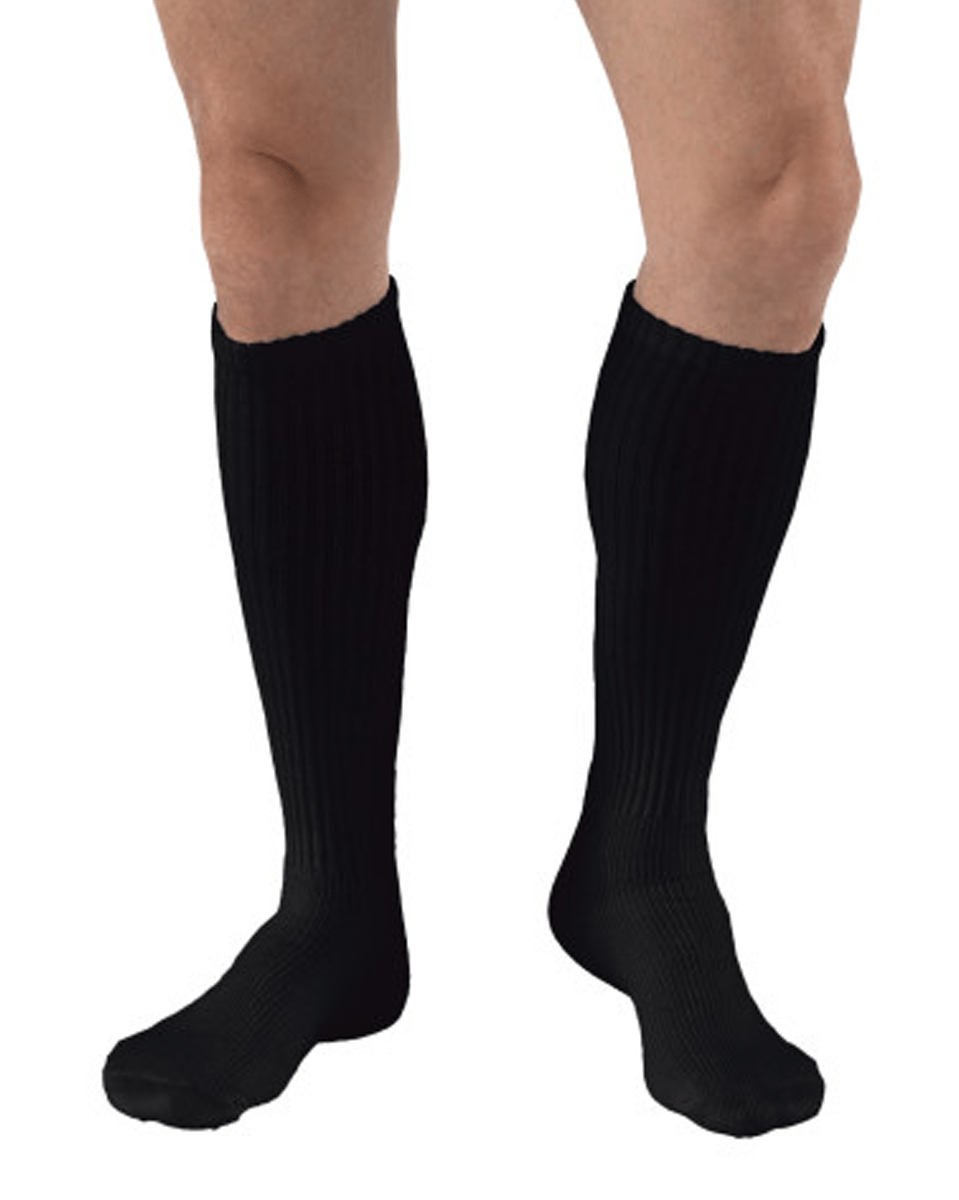
Compression Socks & Stockings relieve swelling in the legs by firmly supporting the ankle and gradually loosening the pressure as it goes towards the thigh. They are important for healing lymphedema that occurs in the legs and feet.
It is only compression socks personally chosen and set up by a lymphedema specialist that people can call the best for lymphedema.
-
It is only compression socks personally chosen and set up by a lymphedema specialist that people can call the best for lymphedema
-
They offer several pressure grades, which should suit the requirements of your medical treatment.
2. Arm Sleeves
Most of the time, this affects the arms or hands after surgical removal of lymph nodes or mastectomy. The arm sleeves help reduce and control swelling in the arm and hand.
3. Gloves and Gauntlets
These are often used in combination with arm sleeves to manage hand swelling and encourage fluid movement back up the arm.
4. Compression Bras and Pads
Used for managing breast or chest wall lymphedema, especially after mastectomy or radiation therapy.
5. Compression Garments for Genitals, Head, and Neck
Custom-fitted garments are available for more complex cases where lymphedema affects less common areas of the body.
How Compression Garments Work
The fabric in compression garments is tightly woven and elastic, designed to apply a firm but comfortable level of pressure. This pressure:
-
Prevents fluid accumulation
-
Helps move existing lymph fluid toward functioning lymph nodes
-
Acts as resistance for muscles, helping them pump lymph more efficiently
They are worn during the day when you're most active and taken off at night (unless advised otherwise by your specialist).
How to Use Compression Garments Safely
These are some simple tips to make sure you benefit from your compression clothing:
-
It is essential to wear the garment during the day, especially when you are active or standing, or sitting for extended periods.
-
Apply it right in the morning when there is less swelling.
-
Remove it before bed, unless otherwise instructed.
-
Avoid wearing clothes that put too much pressure, cause discomfort, or make your feet numb. These are signs that it may not fit properly.
-
Keep the tops of your stockings and sleeves stretched out so you do not get any cuts and swelling.
In case you get discomfort, pain, notice numbness, or notice discolored skin, stop wearing the garment and see a medical specialist.
Getting the Right Fit: Why Proper Measurement Matters
A compression garment must be picked based on your body size. If a garment is not tailored to fit, it may be useless and could exacerbate your ailments.
A trained lymphedema therapist will:
-
Measure the affected area accurately
-
Determine the right level of compression.
-
Select a style that suits your condition and daily lifestyle.
In most cases, these outfits are tailored for you or are available in different sizes with easy-to-read directions on their usage.
How Often Should You Replace Compression Garments?
Washing and using clothes regularly causes them to lose their elasticity. Your task is to replace your compression garment every six months for optimal results.
To stay consistent:
-
Most people have two garments: one to wear and one to wash.
-
Schedule a re-measurement every 6–12 months or sooner if your swelling changes.
Compression Garment Care: Dos and Don’ts
To make your compression wear last longer:
Do:
-
Hand wash or use a delicate cycle with mild detergent
-
Air dry flat, away from direct heat or sunlight
-
Store them in a way that maintains their shape
Don’t:
-
Use harsh detergents or fabric softeners
-
Wring or twist the garment
-
Dry in a dryer or near a heater
If your shoes or clothes are old, they won’t help your body and must be looked after to help your treatment.
What If My Garment Doesn’t Feel Right?
If your garment feels:
-
Too tight
-
Too loose
-
Causes irritation, pain, or numbness
…it’s time to consult your lymphedema specialist. You may need a new size, a different compression level, or an alternative style (such as wraps or bandages) temporarily.
Common Concerns with Wearing Compression Garments
Will I be able to move normally?
Yes. Your compression garment should allow full mobility while applying pressure. It should feel like a snug hug—not a tourniquet.
What if I sweat or feel too hot in the garment?
Lightweight, breathable materials are available. Talk to your provider about alternatives if you live in a hot climate.
Can I exercise with it on?
Absolutely—and you should! Movement helps push lymph fluid through your system, making the garment even more effective.
FAQs: Compression Garments for Lymphedema
Q1. What are the best compression socks for lymphedema?
The proper socks for you will be those that are recommended by a specialist. They will meet your level of compression, how you swell, and how much you are comfortable with. Let your specialist know before choosing any over-the-counter remedies.
Q2. Can compression socks help aching legs caused by lymphedema?
Yes, Compression socks can help a lot by relieving the pain and heaviness in your legs if they have lymph fluid.
Q3. How long do I need to wear compression garments each day?
Usually, you should wear medication patches from the moment you get up until it’s time to go to sleep, provided your doctor has not advised otherwise. Glasses are most useful if you remember to wear them as much as possible when you are up and active.
Q4. Are there support stockings made specifically for lymphedema?
Yes. The main purpose of lymphedema support stockings is to reduce the swelling that occurs in the lymphatic system. They are not the same as basic compression socks since their materials, pressure, and fitting also differ.
Conclusion: Your Daily Ally in Lymphedema Management
Among all the methods used, compression garments are some of the best for managing lymphedema. Correctly fitted and looked after, they take care of the swelling, make movement easier, and help you live more comfortably each day.
Bear in mind that when you start using compression therapy, the correct garment can make a huge difference. Keep in touch with a specialist for lymphedema, and treat the garments properly. Doing this simple action can lead to a big sense of relief.