Skip to content

Collection: Compression Socks for Pregnancy | Maternity Compression Stockings

Pregnancy compression socks and maternity compression stockings provide graduated leg support during one of the most physically demanding times for leg circulation. Leg swelling, varicose veins, and tired aching legs are among the most common discomforts during pregnancy — particularly in the second and third trimesters.

During pregnancy, your body produces up to 50% more blood volume to support your baby. The growing uterus also places increased pressure on the veins returning blood from your legs, slowing circulation and causing fluid to pool. Graduated compression hose for pregnancy works with your body's natural systems to support blood flow back upward — reducing swelling, relieving heaviness, and keeping you more comfortable through every trimester.

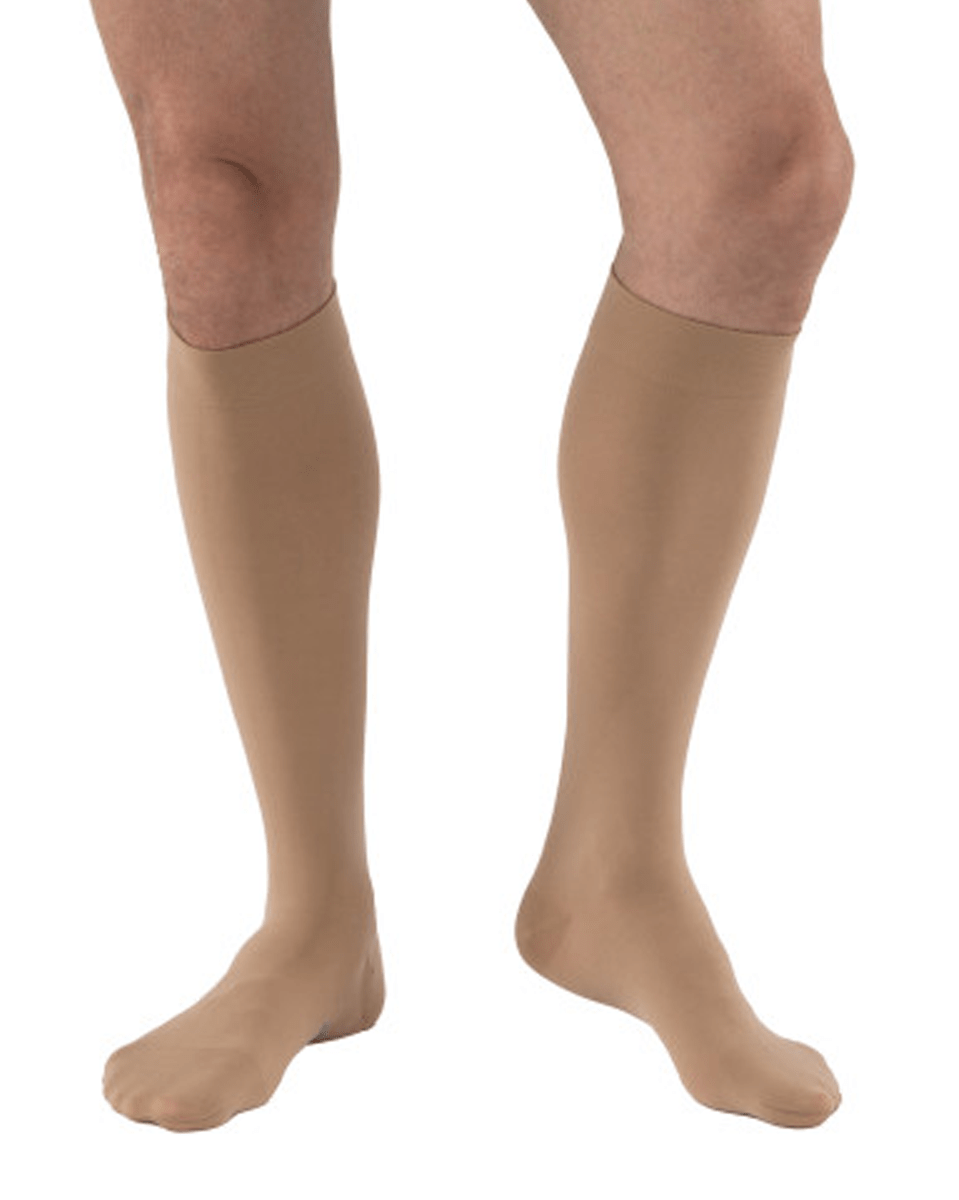
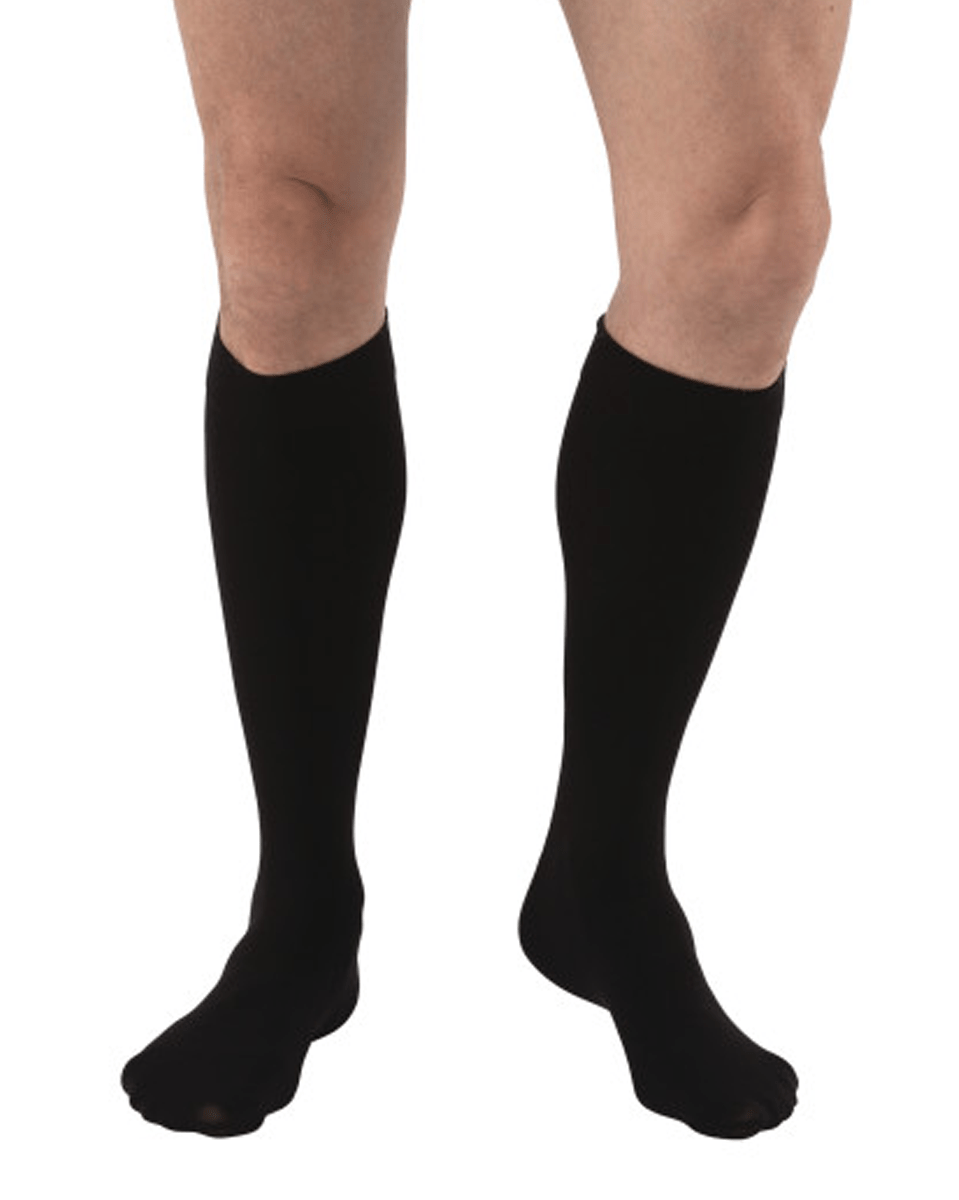
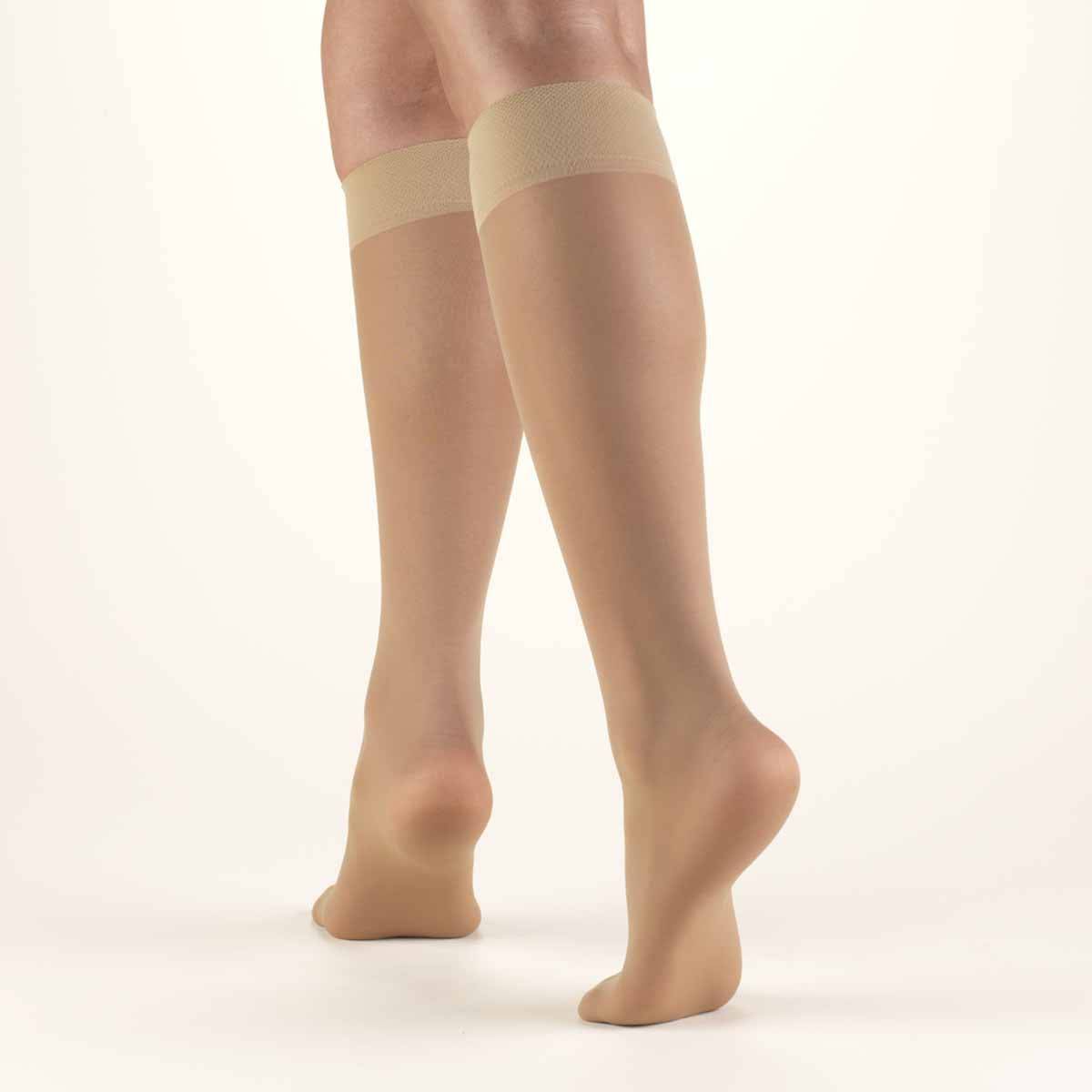
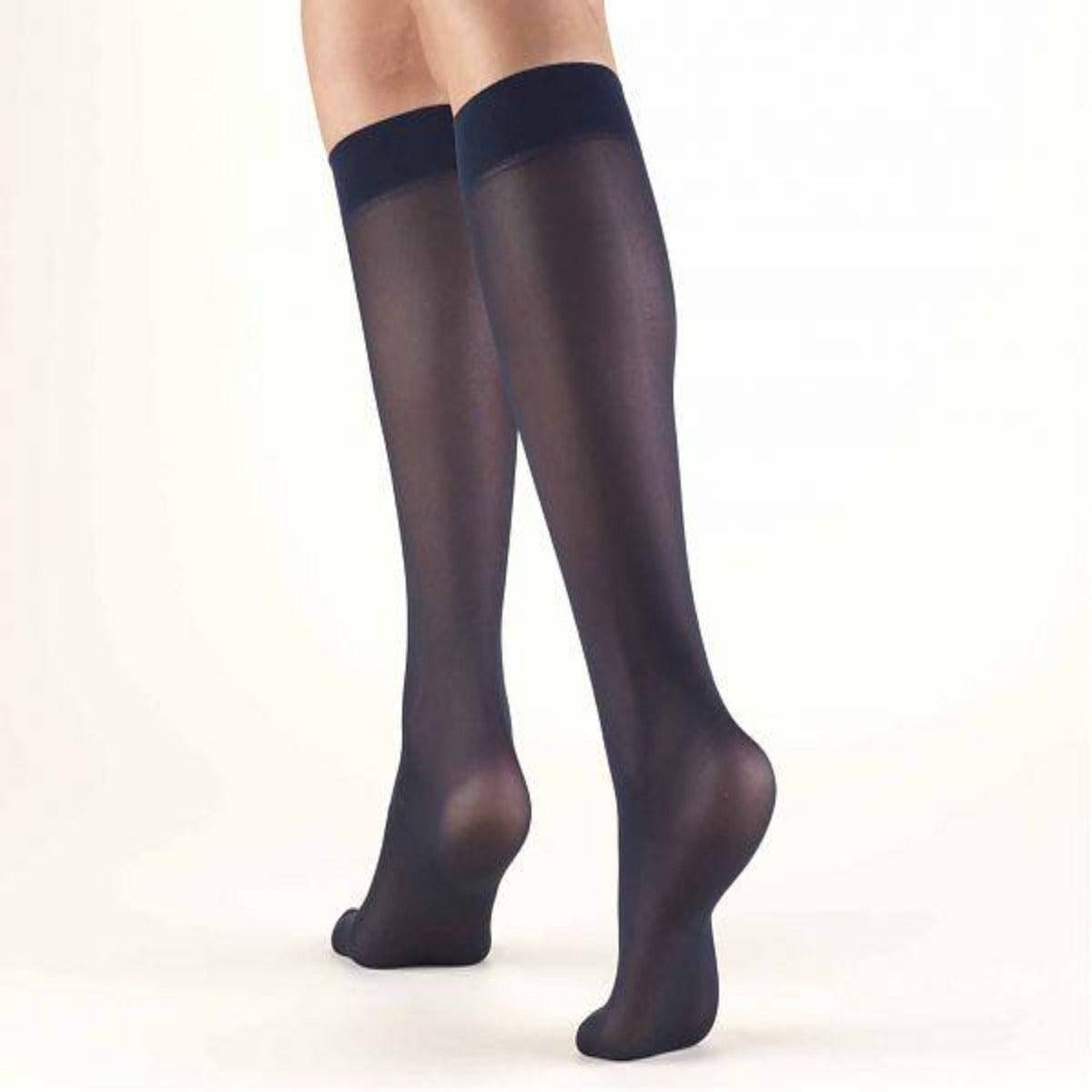
At CompressionSale, our pregnancy compression stockings include knee highs, thigh highs, pantyhose, and maternity pantyhose with expandable belly panels — in mild to moderate compression levels including 8–15 mmHg and 15–20 mmHg, which are most commonly recommended during pregnancy. Always consult your healthcare provider before choosing a compression level during pregnancy.

In Stock Only

19 products

Compression hose for pregnancy — also called maternity compression stockings or support hose — uses graduated pressure to support healthy blood flow in the legs during pregnancy. The compression is strongest at the ankle and gradually decreases up the leg, gently pushing blood back toward the heart. This matters during pregnancy because your body produces significantly more blood volume to support your baby, and the growing uterus places direct pressure on the veins returning blood from your legs — causing blood to pool, leading to swelling, heaviness, and varicose veins. Wearing pregnancy compression hose counteracts this by keeping circulation moving efficiently throughout the day.

Yes. Varicose veins are one of the most common circulatory concerns during pregnancy, affecting a significant number of expectant mothers — particularly in the second and third trimesters. The combination of increased blood volume, hormonal changes that relax vein walls, and uterine pressure on leg veins creates ideal conditions for varicose veins to develop or worsen. Support stockings for pregnancy varicose veins work by compressing the veins and encouraging blood to move upward rather than pool. Compression hose cannot reverse existing varicose veins, but wearing them consistently can significantly reduce discomfort and help prevent symptoms from worsening. If you have visible veins or leg pain, consult your healthcare provider about the appropriate compression level.

Regular support hose — the kind sold in maternity shops or department stores — applies uniform, light pressure across the leg. It may provide temporary comfort but does not clinically support venous return. True compression hose for pregnancy uses graduated compression, with the highest pressure at the ankle decreasing up the leg, which actively works with the body's circulatory system to push blood back toward the heart. A minimum of 15 mmHg of ankle pressure is generally needed to meaningfully reduce swelling and support circulation during pregnancy. Medical-grade maternity compression hose from brands like Jobst, Sigvaris, and Therafirm's Preggers line meets this standard — standard support hosiery typically does not.

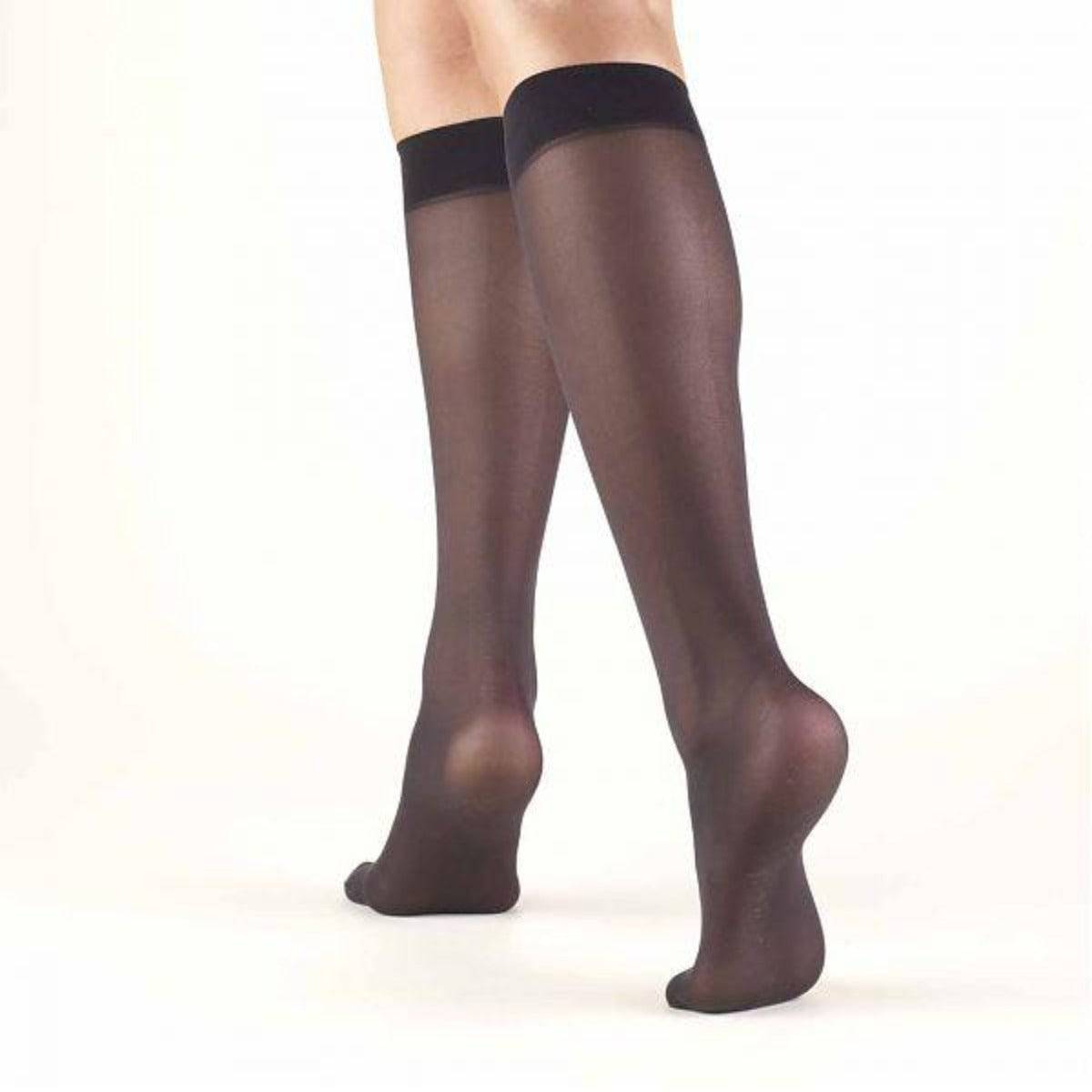
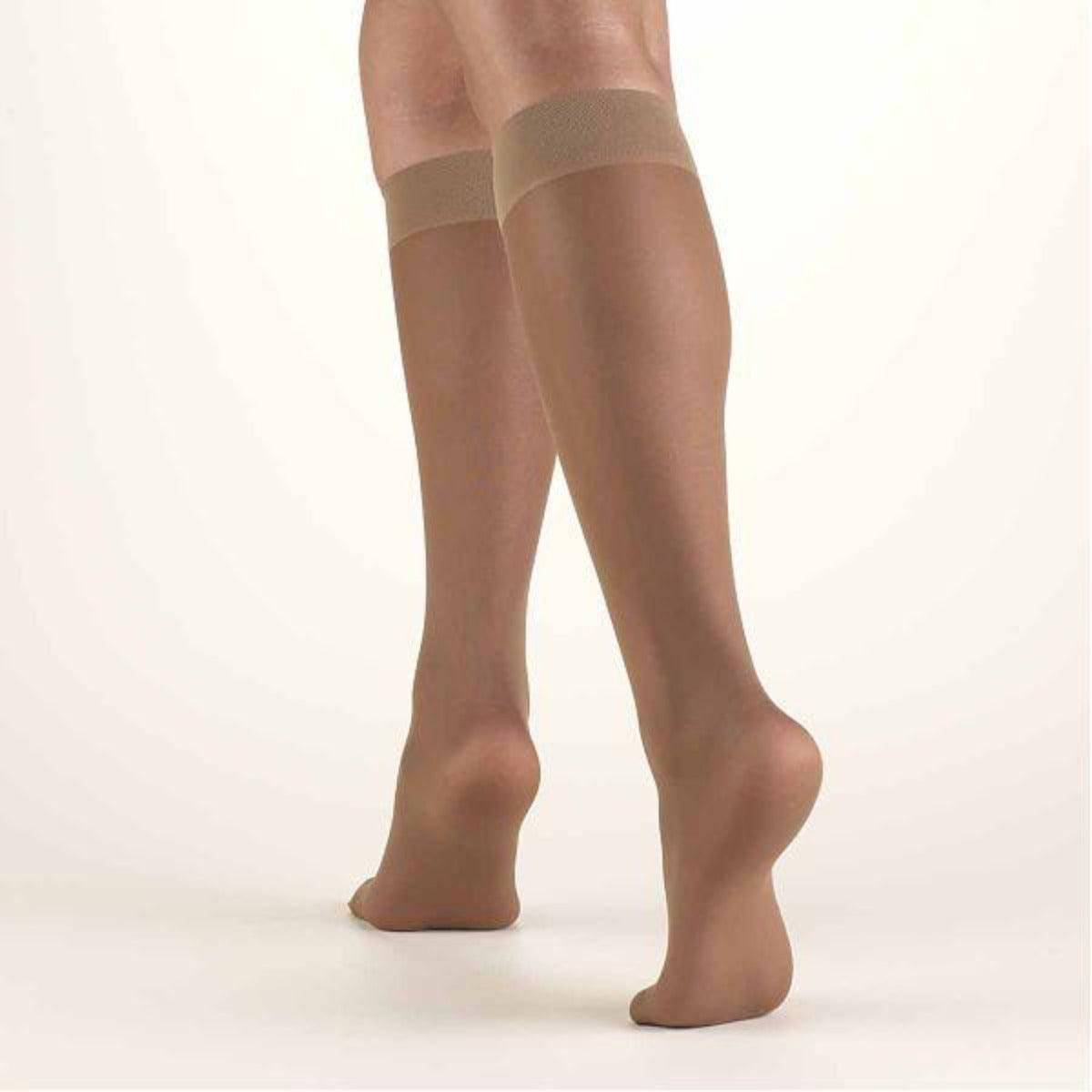
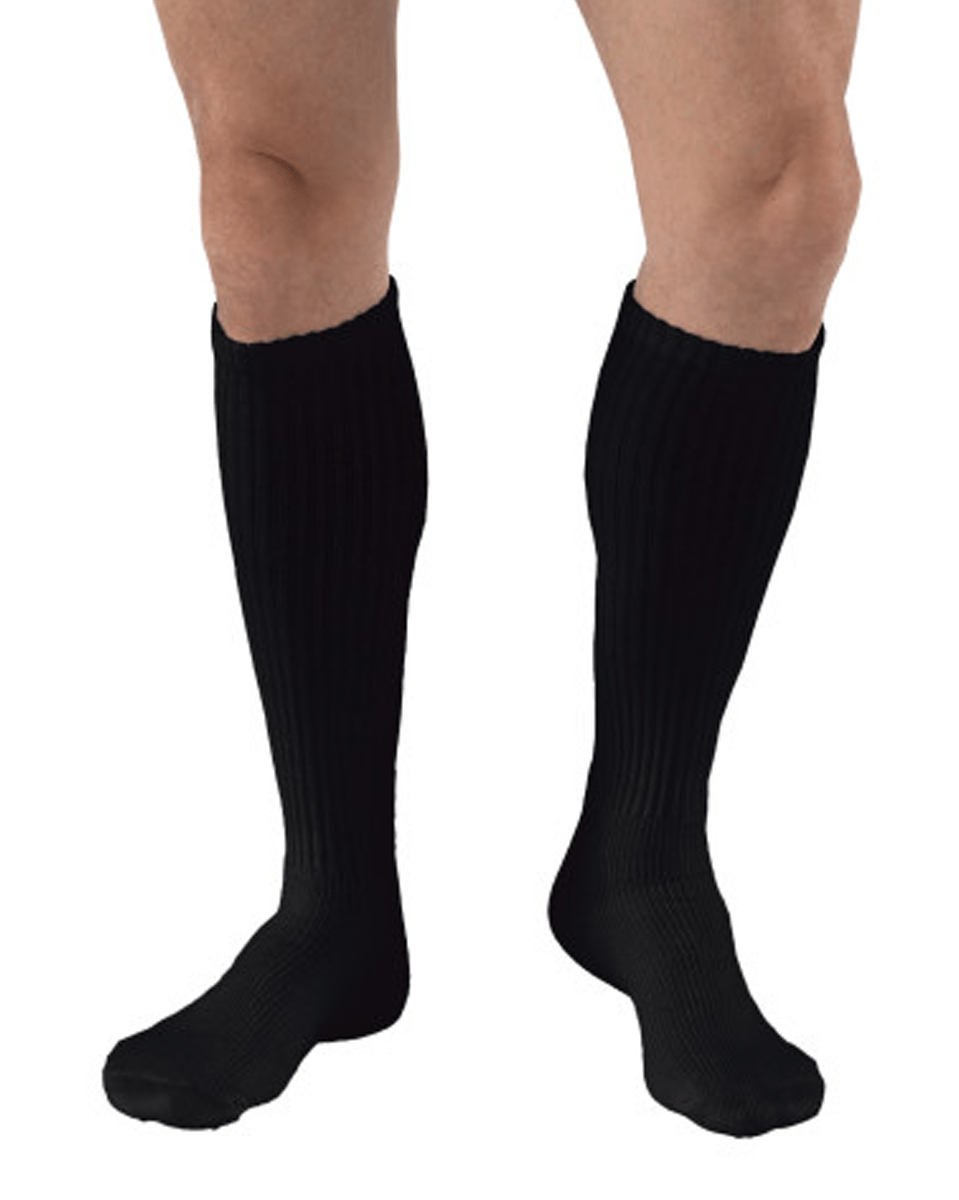
Maternity compression hose comes in several styles to suit different stages of pregnancy and levels of discomfort. Knee-high compression socks are the most popular for everyday swelling and leg fatigue — easy to put on and suitable from the first trimester onward. Thigh-high compression stockings provide full-leg coverage for women with varicose veins that extend above the knee. Maternity compression pantyhose feature an expandable belly panel that grows with your bump while delivering graduated compression across both legs — a preferred option for women who experience swelling throughout the entire leg or need abdominal support. Sheer maternity compression pantyhose from brands like Jobst and Sigvaris are available in skin-tone colors for a more discreet look.

The best time to put on compression hose for pregnancy is first thing in the morning, before getting out of bed. This is when swelling is at its lowest and it is easiest to pull the stockings on. Once you stand up, blood begins to pool in the lower legs and swelling builds quickly, making compression hose significantly harder to put on and less effective. Keep your compression hose within reach on your nightstand. Remove them before going to bed — compression hose is not intended for overnight wear. If you find them difficult to put on as your pregnancy progresses, a stocking donner or donning gloves can help considerably.

You might like