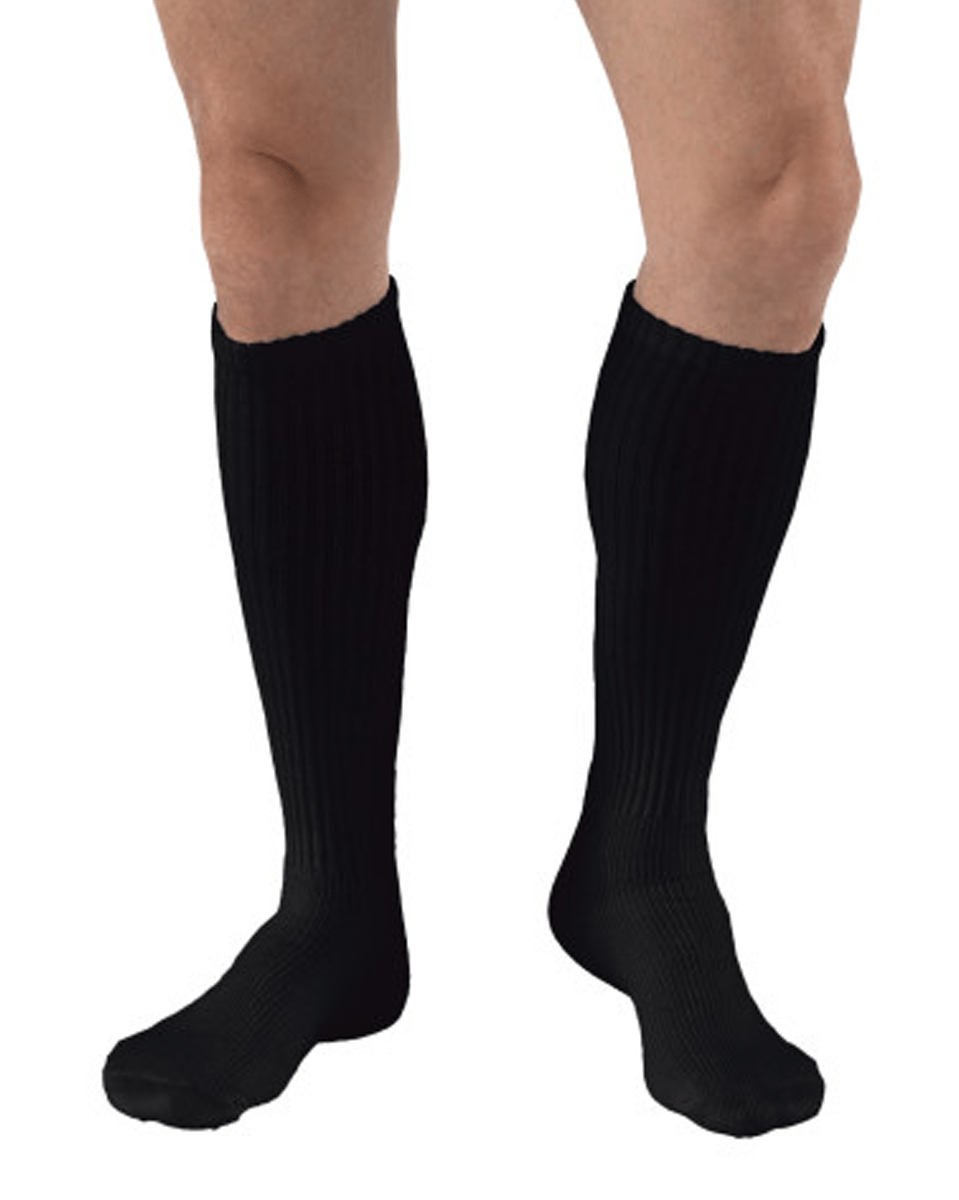
When Not to Wear Compression Socks: Important Safety Tips
Compression socks are one of the most effective tools for improving circulation, preventing swelling, and supporting vein health. But like any medical product, they aren’t meant for everyone — or for every situation.
Knowing when not to wear compression socks is just as important as knowing when you should. The right information can protect your health and make your therapy more effective.
1 | When Compression Socks Can Be Unsafe
Compression socks work by applying graduated pressure — tighter at the ankle, lighter toward the calf — to help push blood upward.
However, if your arteries, skin, or heart can’t handle that extra pressure, it may cause more harm than good.
You should avoid or use compression under medical supervision if you have:
-
Severe Peripheral Arterial Disease (PAD)
Reduced blood flow in the arteries can worsen with compression.
Warning signs: cold feet, pain at rest, or wounds that don’t heal. -
Critical Limb Ischemia or Advanced Arterial Blockage
Compression can further restrict oxygen supply to the legs.
These patients typically need vascular evaluation, not compression therapy. -
Uncontrolled Congestive Heart Failure (CHF)
If fluid buildup is already stressing the heart, compression can increase workload.
Use only if cleared by a cardiologist. -
Skin Infections or Cellulitis
Covering an infected or inflamed area can trap bacteria and worsen symptoms.
Compression can resume once the infection heals. -
Open Wounds or Ulcers Without Dressings
Compression should never touch an open wound directly.
A wound care specialist can advise on compression-compatible dressings. -
Severe Neuropathy or Loss of Sensation
If you can’t feel tightness or pain, you may not notice over-compression or skin damage.
Choose gentle support or supervised medical-grade use only.
2 | Warning Signs to Stop Wearing Compression Socks
Even healthy users should pay attention to how their legs feel after putting on compression wear.
Stop and reassess if you experience:
-
Tingling, numbness, or burning sensations
-
Toes turning pale, blue, or cold
-
Increased pain or swelling above the sock line
-
Itchy, red, or blistered skin
-
Difficulty removing the socks due to tightness
If any of these occur, remove the socks immediately and contact your doctor.
Compression that’s too strong or incorrectly fitted can restrict circulation rather than improve it.
3 | Medical Conditions That Require Supervision
Some conditions don’t prohibit compression entirely, but they require a doctor’s prescription and careful monitoring:
| Condition | Use With Caution | Notes |
|---|---|---|
| Diabetes with Neuropathy | ✅ Mild compression only | Avoid high mmHg levels; inspect skin daily. |
| Varicose Veins with Skin Changes | ✅ Under physician care | May need custom-fit stockings. |
| Post-Surgery Recovery | ✅ As directed | Use prescribed compression levels and wear time. |
| Lymphedema | ✅ Specialized garments | Only under professional fitting and supervision. |
4 | Safe Alternatives for Sensitive Conditions
If you can’t wear traditional compression socks, there are safer alternatives that still promote leg health:
-
Low-compression or support socks (8–15 mmHg) for gentle relief.
-
Intermittent pneumatic compression devices for controlled therapy.
-
Leg elevation routines or walking breaks to stimulate circulation naturally.
-
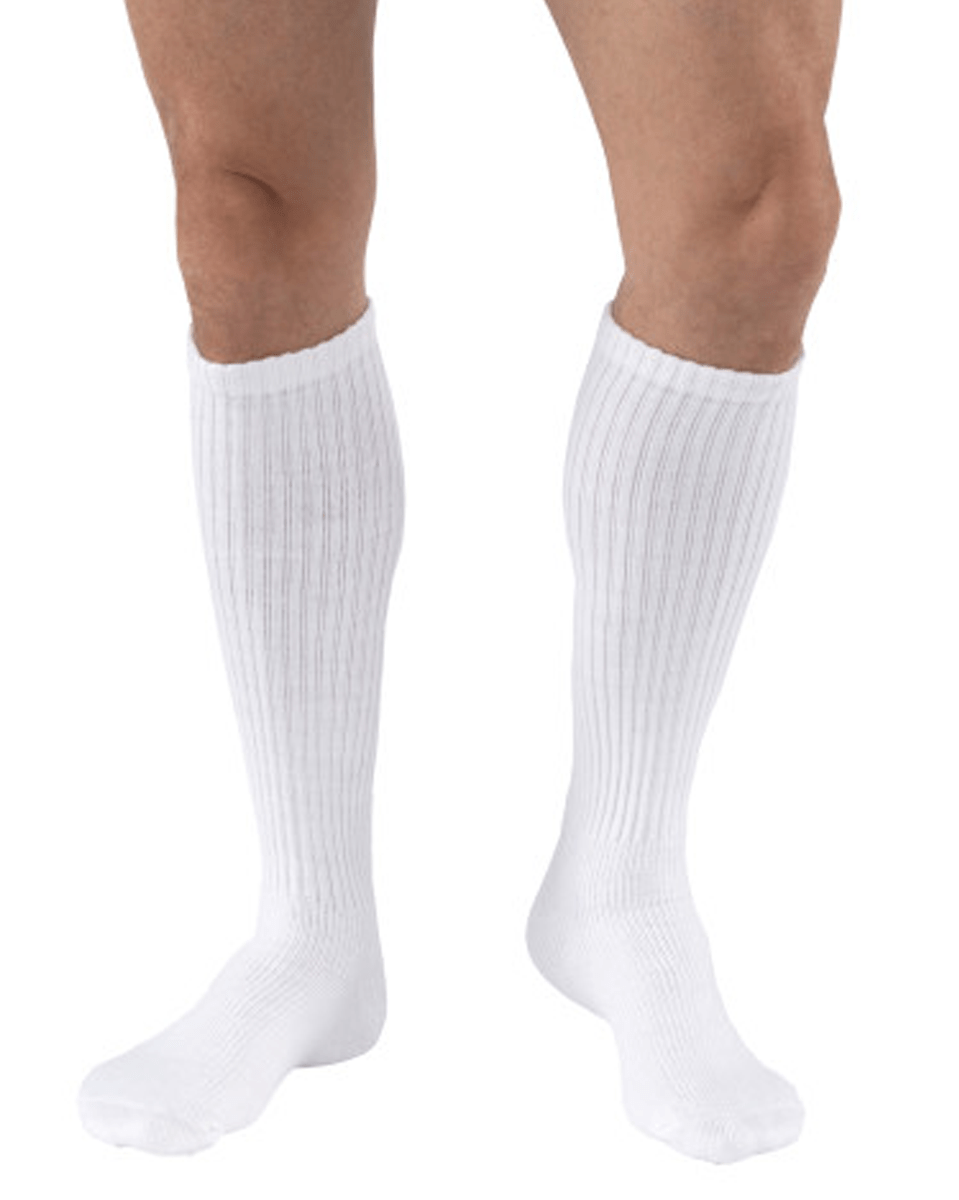
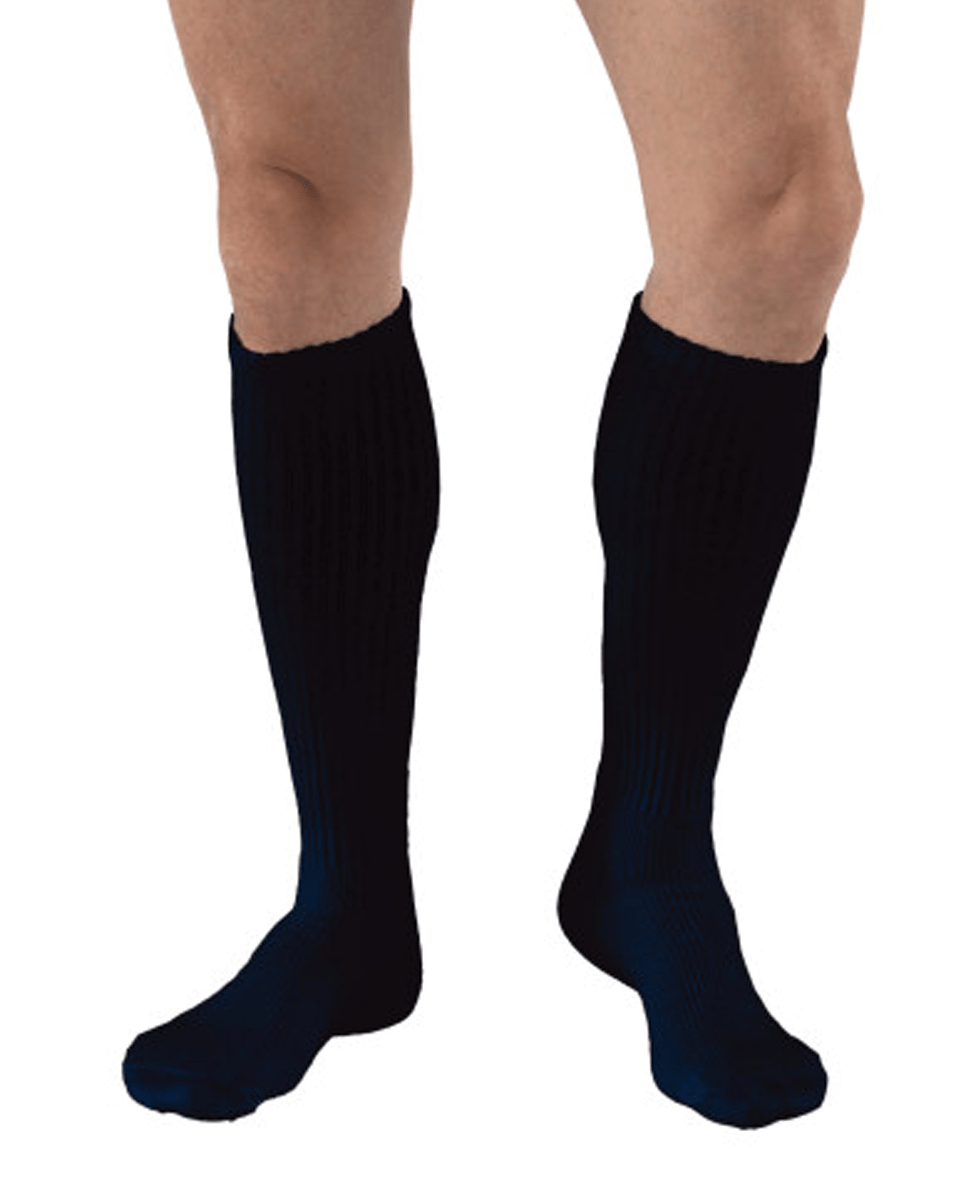
Moisture-wicking diabetic socks with soft, non-binding tops.
🛒 Shop our [Gentle Support & Diabetic-Friendly Socks →]
5 | How to Ensure a Safe Fit
Proper fit is critical for both comfort and safety. Here’s how to make sure your socks help, not harm:
-
Measure early in the morning before swelling starts.
-
Use accurate leg measurements (ankle, calf, and length).
-
Choose the correct compression level (typically 15–20 mmHg for mild swelling or prevention).
-
Replace your socks every 3–6 months — worn-out elastic loses accuracy.
-
If in doubt, consult your doctor or a certified fitter.
🛍️ Use our [Compression Level Guide →] to find your perfect strength and fit.
6 | Key Takeaway
Compression socks are incredibly beneficial — when used correctly.
But if you have arterial disease, open wounds, infections, or certain heart conditions, they should only be worn with medical clearance.
At CompressionSale.com, our goal is to make compression therapy safe, effective, and comfortable for everyone.
If you’re unsure whether compression is right for you, our team can help guide you toward the best option.
📞 Call: 800-504-7315
📧 Email: [email protected]
💬 Chat: compressionsale.com