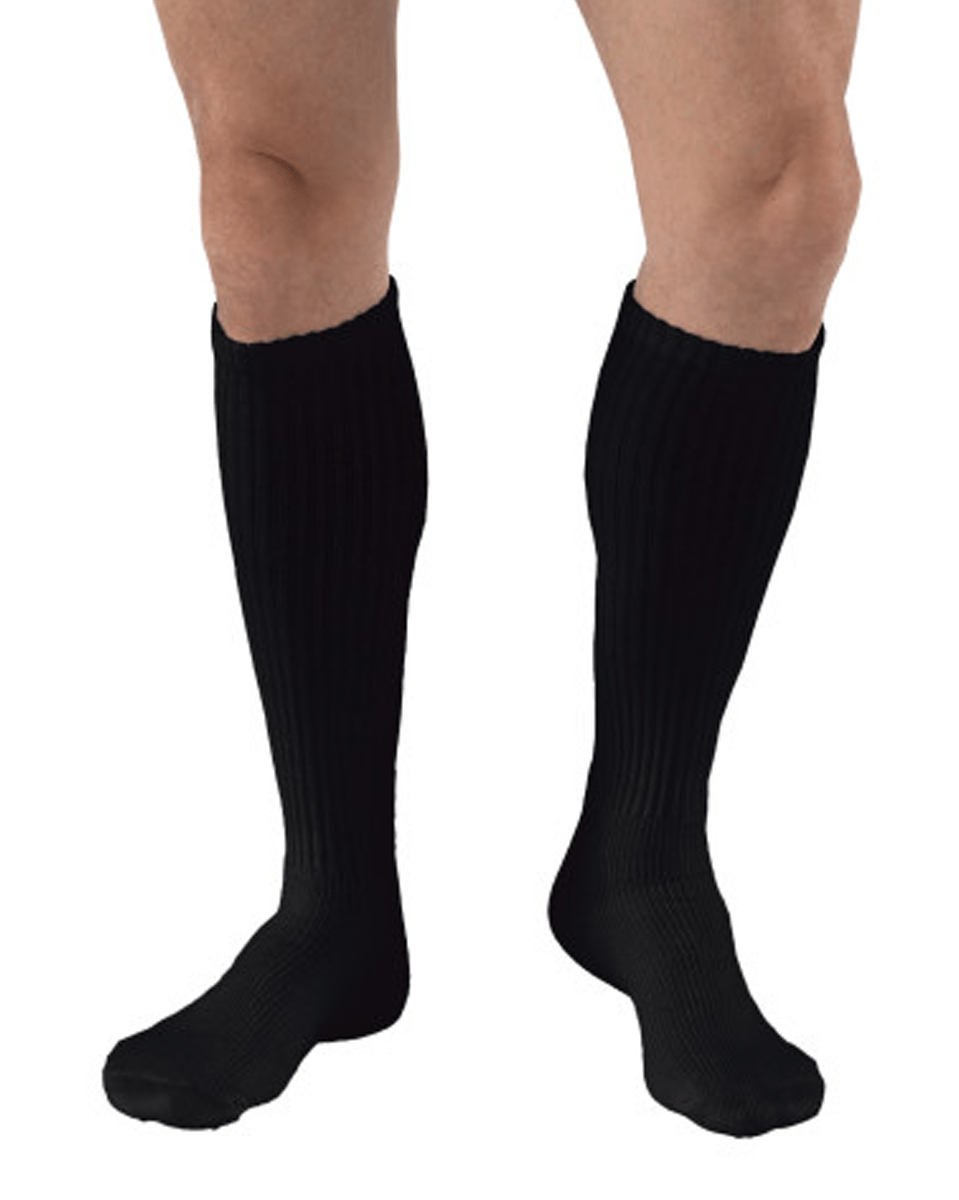
Collection: Men's 20-30 mmHg Compression Socks & Stockings

-
 20% offJuzo
Juzo Power Power Vibe Knee High 20-30 mmHg
Juzo Power Vibe Knee High 20-30 mmHg For compression with bold, everyday style, the Juzo Power Vibe Knee High sock...
$67.99 $84.99$67.99$67.99 $84.99Loading options… -

 20% offJuzo
Juzo Move Thigh High 20-30 mmHg w/ 3.5cm Silicone Top Band
Juzo Move Thigh High 20-30 mmHg w/ 3.5cm Silicone Top Band Designed for compression that's easier to put on, the...
$104.79 $130.99$104.79$104.79 $130.99Loading options… -

 20% offJuzo
Juzo Move Open Toe Knee High 20-30 mmHg w/ 3.5cm Silicone Top Band
Juzo Move Open Toe Knee High 20-30 mmHg w/ 3.5cm Silicone Top Band The Juzo Move Knee High stocking is...
$83.99 $104.99$83.99$83.99 $104.99Loading options… -

 20% offJuzo
Juzo Move Open Toe Knee High 20-30 mmHg
Juzo Move Open Toe Knee High 20-30 mmHg For compression that's easier to put on, the Juzo Move Knee High...
$71.19 $88.99$71.19$71.19 $88.99Loading options… -

-

 20% offJuzo
Juzo Move Max Open Toe Knee High 20-30 mmHg w/ 3.5cm Silicone Top Band
Juzo Move Max Open Toe Knee High 20-30 mmHg w/ 3.5cm Silicone Top Band Designed for compression that's easier to...
$84.79 $105.99$84.79$84.79 $105.99Loading options… -

 20% offJuzo
Juzo Power Power Lite Knee High 20-30 mmHg
Juzo Power Lite Knee High 20-30 mmHg The Juzo Power Lite Knee High sock offers 20-30 mmHg graduated compression in...
$67.99 $84.99$67.99$67.99 $84.99Loading options… -
 20% offJuzo
Juzo Dynamic Silver BK Shrinker 20-30 mmHg w/ 3.5cm Silicone Top Band
Juzo Dynamic Silver BK Shrinker 20-30 mmHg w/ 3.5cm Silicone Top Band For firm compression with added skin protection, the...
$55.99 $69.99$55.99$55.99 $69.99Loading options… -
 20% offJuzo
Juzo Dynamic BK Shrinker BK Shrinker 20-30 mmHg
Juzo Dynamic BK Shrinker 20-30 mmHg The Juzo Dynamic BK Shrinker offers 20-30 mmHg graduated compression, built for firm daily...
$39.99 $49.99$39.99$39.99 $49.99Loading options… -
 20% offJuzo
Juzo Dynamic Hand Sleeve 20-30 mmHg
Juzo Dynamic Hand Sleeve 20-30 mmHg Designed for firm daily compression, the Juzo Dynamic Hand Sleeve provides 20-30 mmHg of...
$59.59 $74.49$59.59$59.59 $74.49Loading options… -

 20% offJuzo
Juzo Dynamic Arm Sleeve 20-30 mmHg w/ 3.5cm Silicone Top Band
Juzo Dynamic Arm Sleeve 20-30 mmHg w/ 3.5cm Silicone Top Band The Juzo Dynamic Arm Sleeve is built for firm...
$69.59 $86.99$69.59$69.59 $86.99Loading options… -
 20% offJuzo
Juzo Dynamic Xtra BK Shrinker 20-30 mmHg w/ 3.5cm Silicone Top Band
Juzo Dynamic Xtra BK Shrinker 20-30 mmHg w/ 3.5cm Silicone Top Band Designed for firm compression in a wider fit,...
$45.99 $57.49$45.99$45.99 $57.49Loading options… -
 20% offJuzo
Juzo Dynamic Max Hand Sleeve 20-30 mmHg
Juzo Dynamic Max Hand Sleeve 20-30 mmHg The Juzo Dynamic Hand Sleeve offers 20-30 mmHg graduated compression in a Max...
$59.59 $74.49$59.59$59.59 $74.49Loading options… -
 20% offJuzo
Juzo Dynamic AK Shrinker 20-30 mmHg w/ 3.5cm Silicone Top Band
Juzo Dynamic AK Shrinker 20-30 mmHg w/ 3.5cm Silicone Top Band Designed for firm daily compression, the Juzo Dynamic AK...
$53.59 $66.99$53.59$53.59 $66.99Loading options… -
 20% offJuzo
Juzo Soft Silver Open Toe Knee High 20-30 mmHg w/ 3.5cm Silicone Top Band
Juzo Soft Silver Open Toe Knee High 20-30 mmHg w/ 3.5cm Silicone Top Band The Juzo Soft Silver Knee High...
$112.39 $140.49$112.39$112.39 $140.49Loading options… -
 20% offJuzo
Juzo Soft Silver Thigh High 20-30 mmHg w/ 3.5cm Silicone Top Band
Juzo Soft Silver Thigh High 20-30 mmHg w/ 3.5cm Silicone Top Band Designed for soft compression with added skin protection,...
$138.79 $173.49$138.79$138.79 $173.49Loading options… -
 20% offJuzo
Juzo Soft Silver Open Toe Knee High 20-30 mmHg
Juzo Soft Silver Open Toe Knee High 20-30 mmHg Designed for soft compression with added skin protection, the Juzo Soft...
$99.59 $124.49$99.59$99.59 $124.49Loading options…