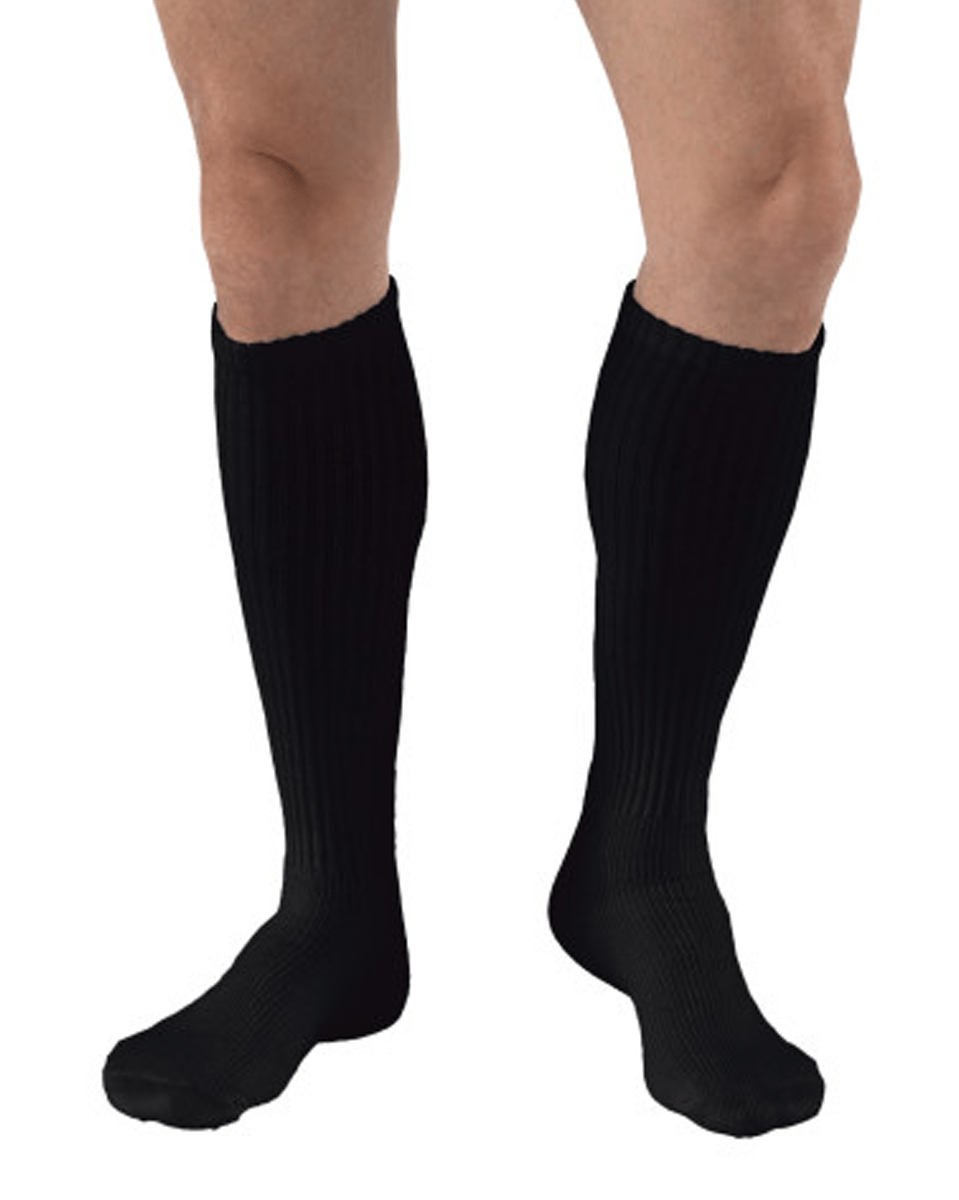
Collection: Women's 15-20 mmHg Compression Socks & Stockings

-
 29% offSecond Skin
Second Skin Compression Gauntlet 15-20 mmHg - 3312
Second Skin Upper Extremity Gauntlet 15-20 mmHg — Moderate Hand and Wrist Support Second Skin Upper Extremity gauntlets deliver 15-20...
$28.59 $40.84$28.59$28.59 $40.84Loading options… -

 20% offJobst
JOBST Bella Strong Glove 15-20 mmHg
JOBST Bella Strong Glove 15-20 mmHg delivers Moderate Compression for hand compression, built around ready-to-wear compression with enhanced containment for...
$152.00 $190.00$152.00$152.00 $190.00Loading options… -

 30% offJuzo
Juzo Basic Pantyhose 15-20 mmHg
Juzo Basic Pantyhose 15-20 mmHg Designed for everyday, budget-friendly compression, the Juzo Basic Pantyhose provides 15-20 mmHg of graduated compression...
$61.59 $87.99$61.59$61.59 $87.99Loading options… -

 Juzo
JuzoJuzo OTC Support Pantyhose 15-20 mmHg w/ 3.5cm Silicone Top Band
Juzo OTC Support Pantyhose 15-20 mmHg w/ 3.5cm Silicone Top Band Built for everyday venous support without a prescription fitting,...
$48.99$48.99$48.99Loading options… -

-

 30% offJuzo
Juzo Basic Open Toe Pantyhose 15-20 mmHg
Juzo Basic Open Toe Pantyhose 15-20 mmHg For everyday, budget-friendly compression, the Juzo Basic Pantyhose delivers 15-20 mmHg graduated compression...
$61.59 $87.99$61.59$61.59 $87.99Loading options… -

 20% offJuzo
Juzo Sheer Open Toe Knee High 15-20 mmHg
Juzo Naturally Sheer Open Toe Knee High 15-20 mmHg For a sheer, dressy look with real compression, the Juzo Naturally...
$42.39 $52.99$42.39$42.39 $52.99Loading options…