Knee-High vs Thigh-High Compression: How to Choose Right
Knee-high or thigh-high? It is one of the first decisions in compression — and one of the easiest to get right once you know what actually decides it.
Choose by where your symptoms are. Swelling, aching, or veins in the ankle and calf — the majority of cases — call for knee-highs. Symptoms above the knee, or provider guidance covering the whole leg, call for thigh-highs.
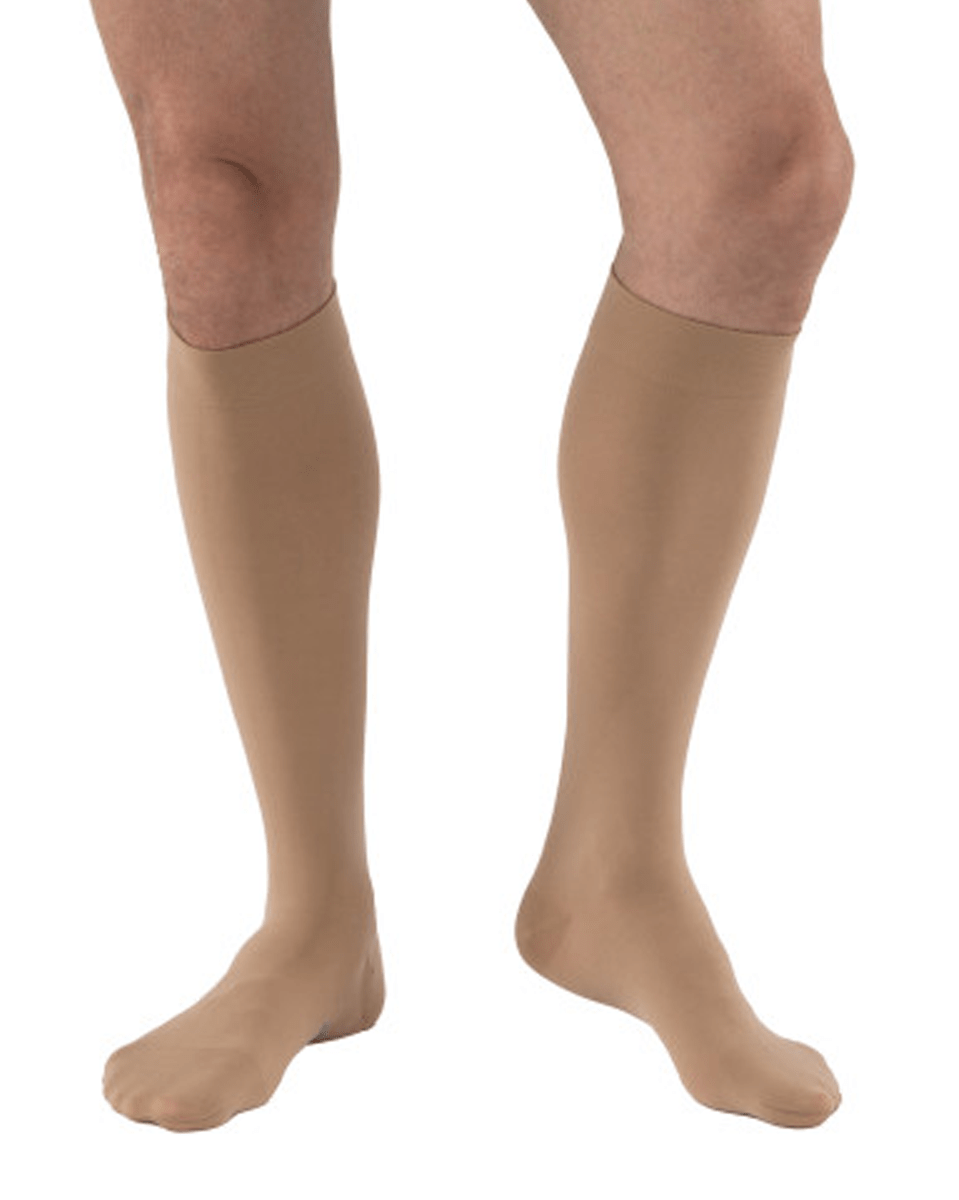
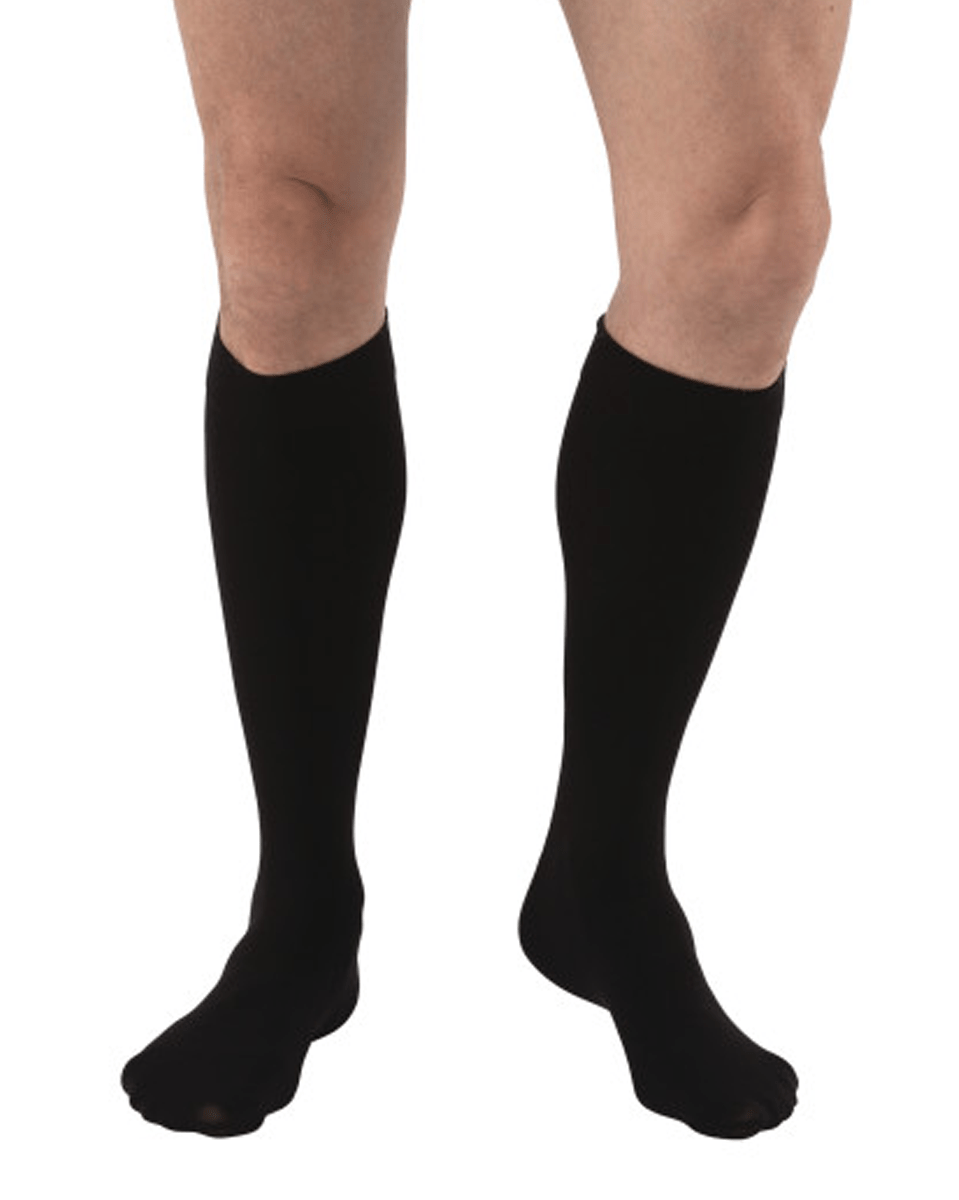
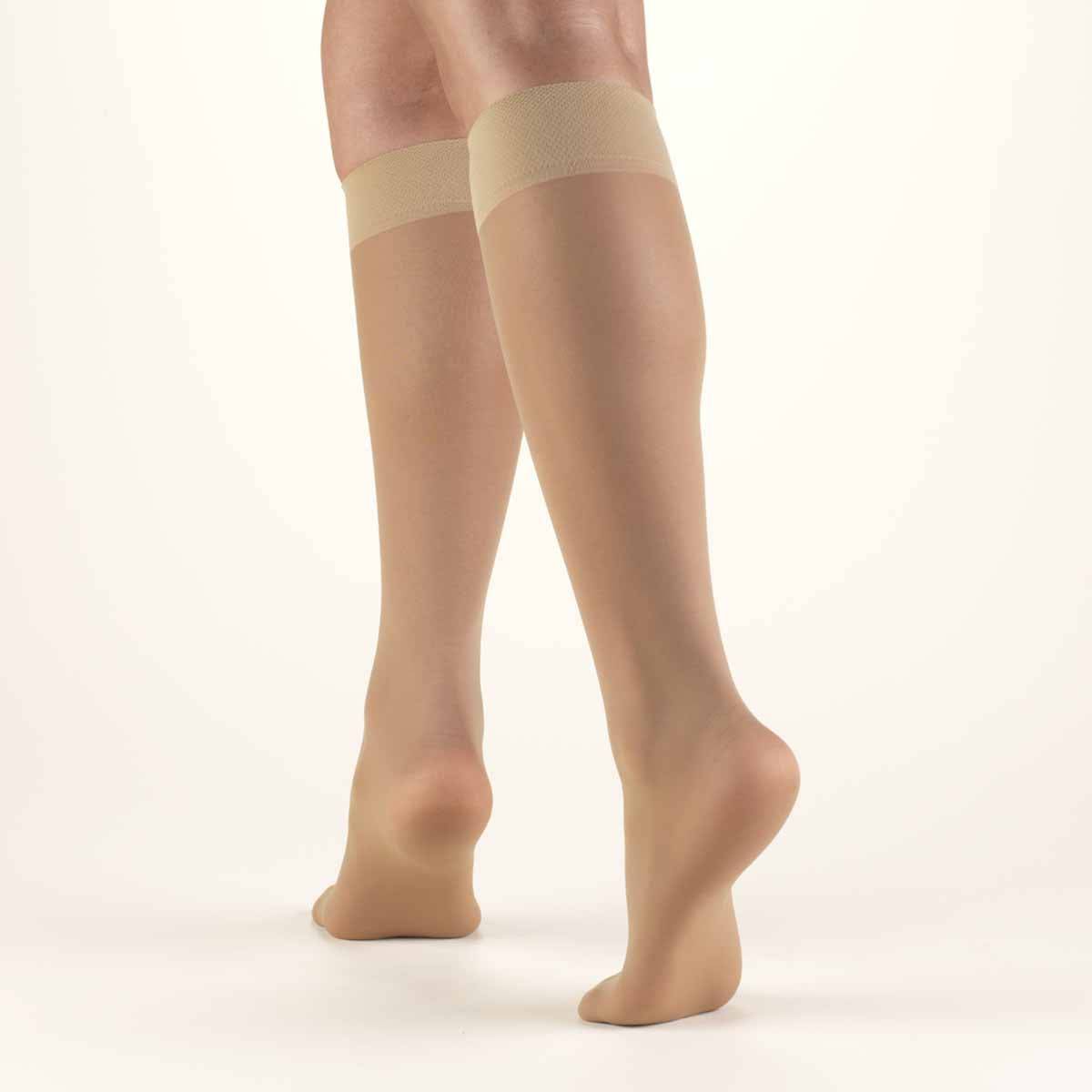
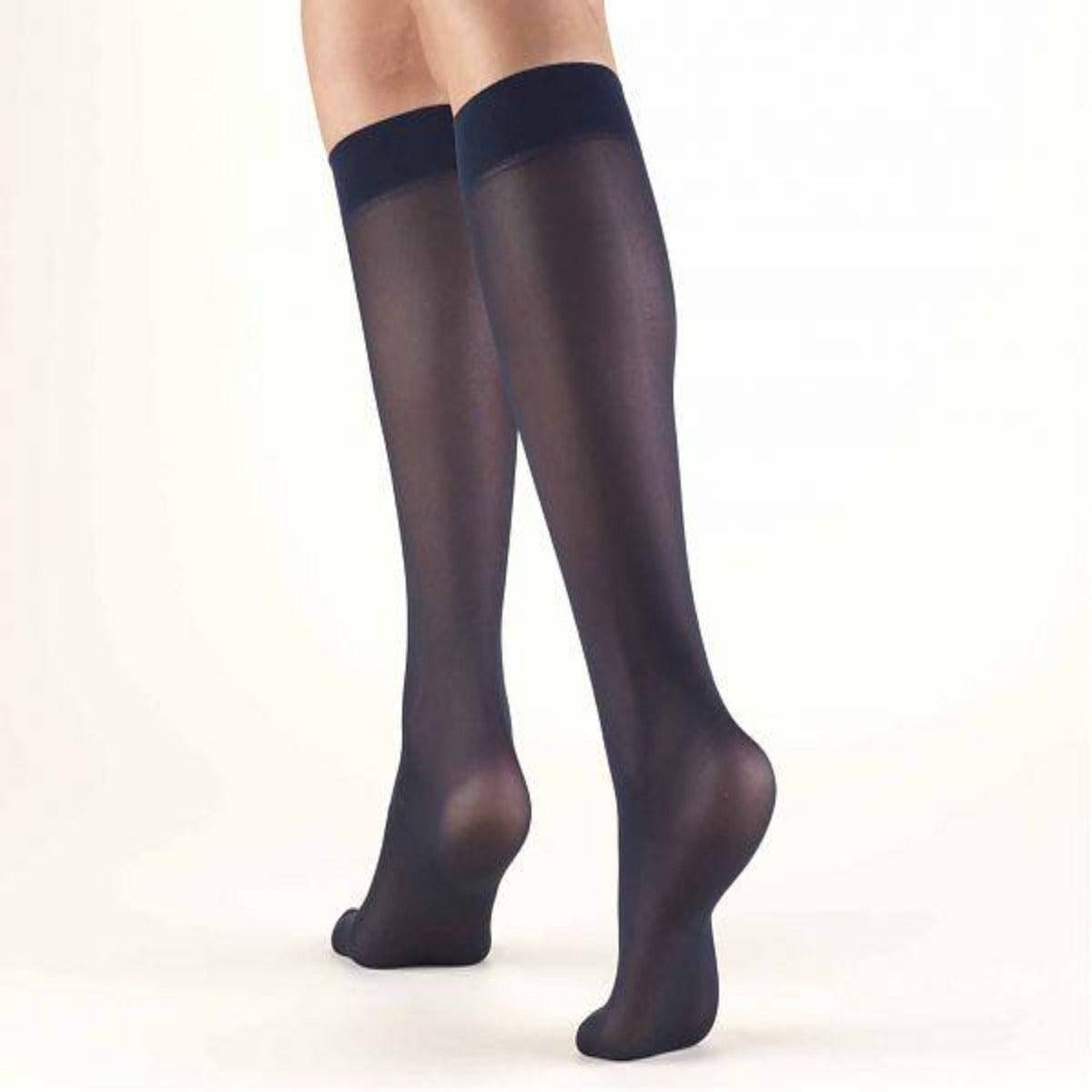
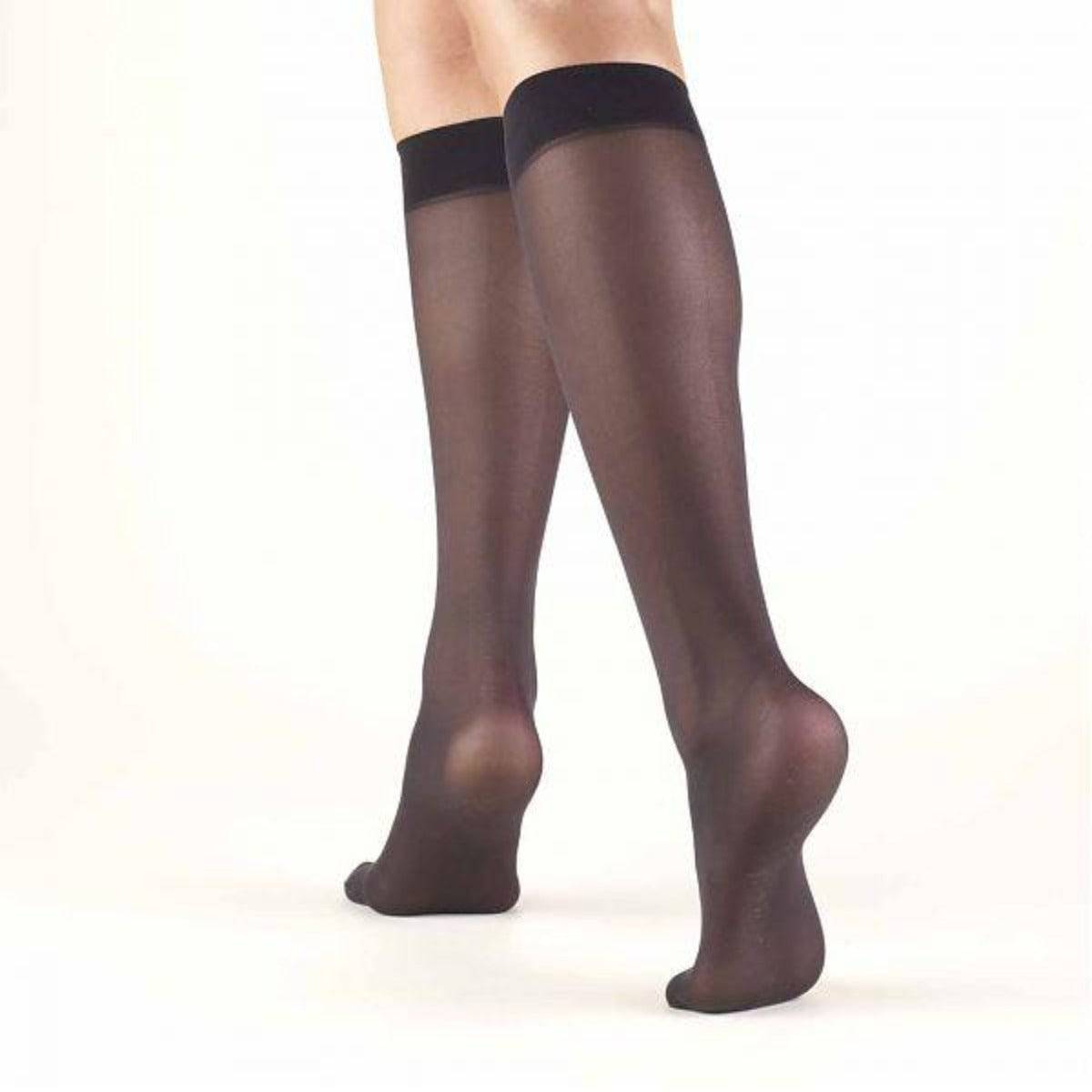
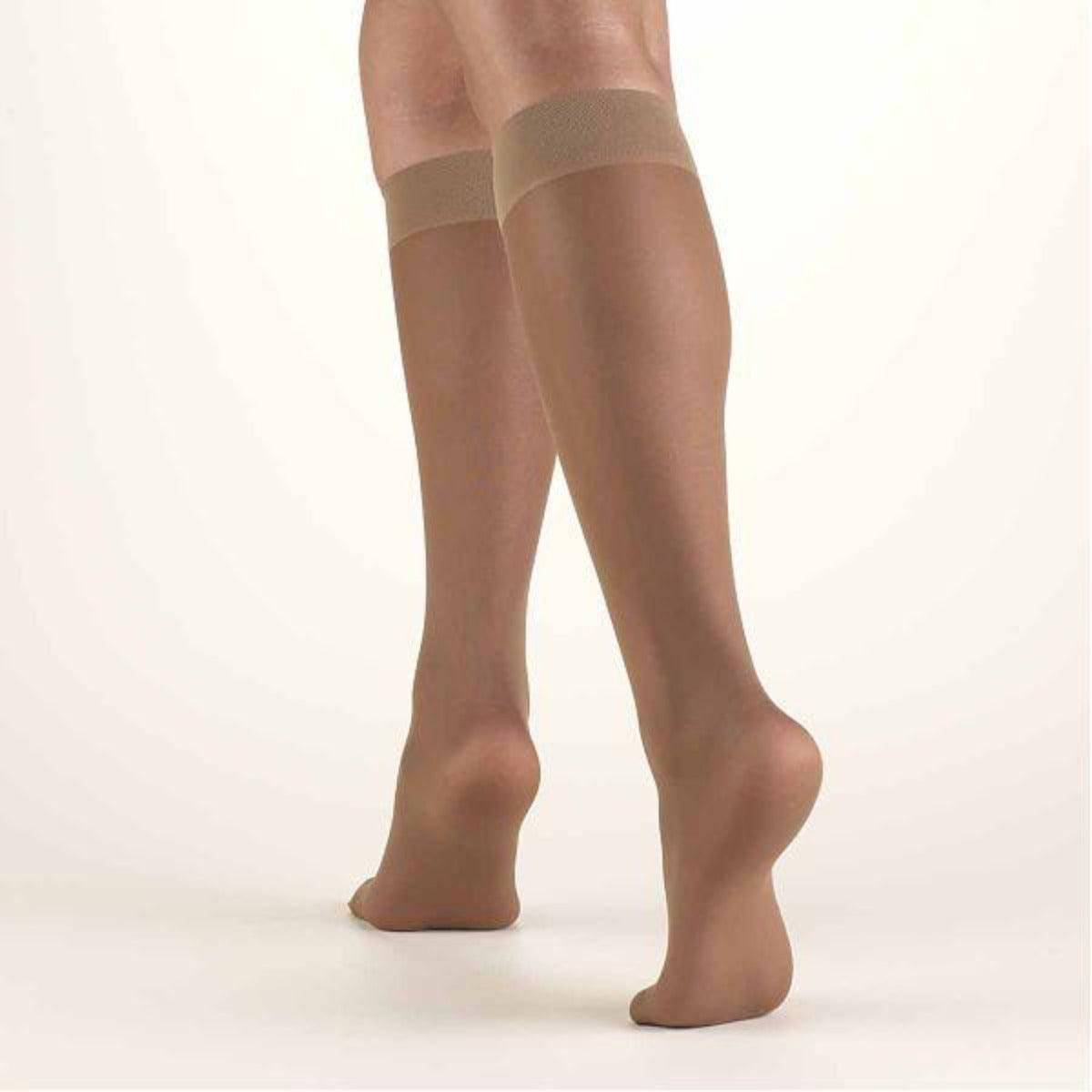
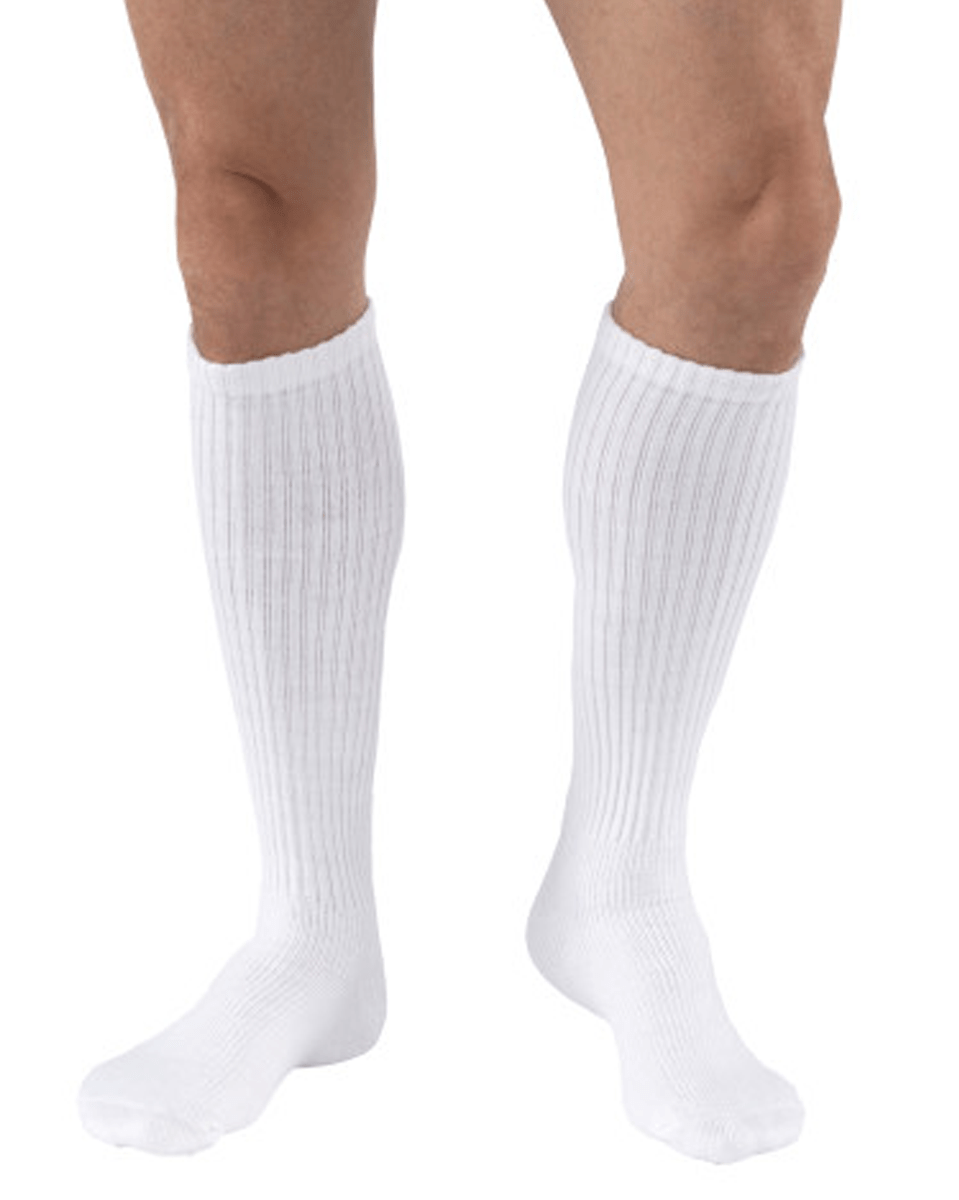
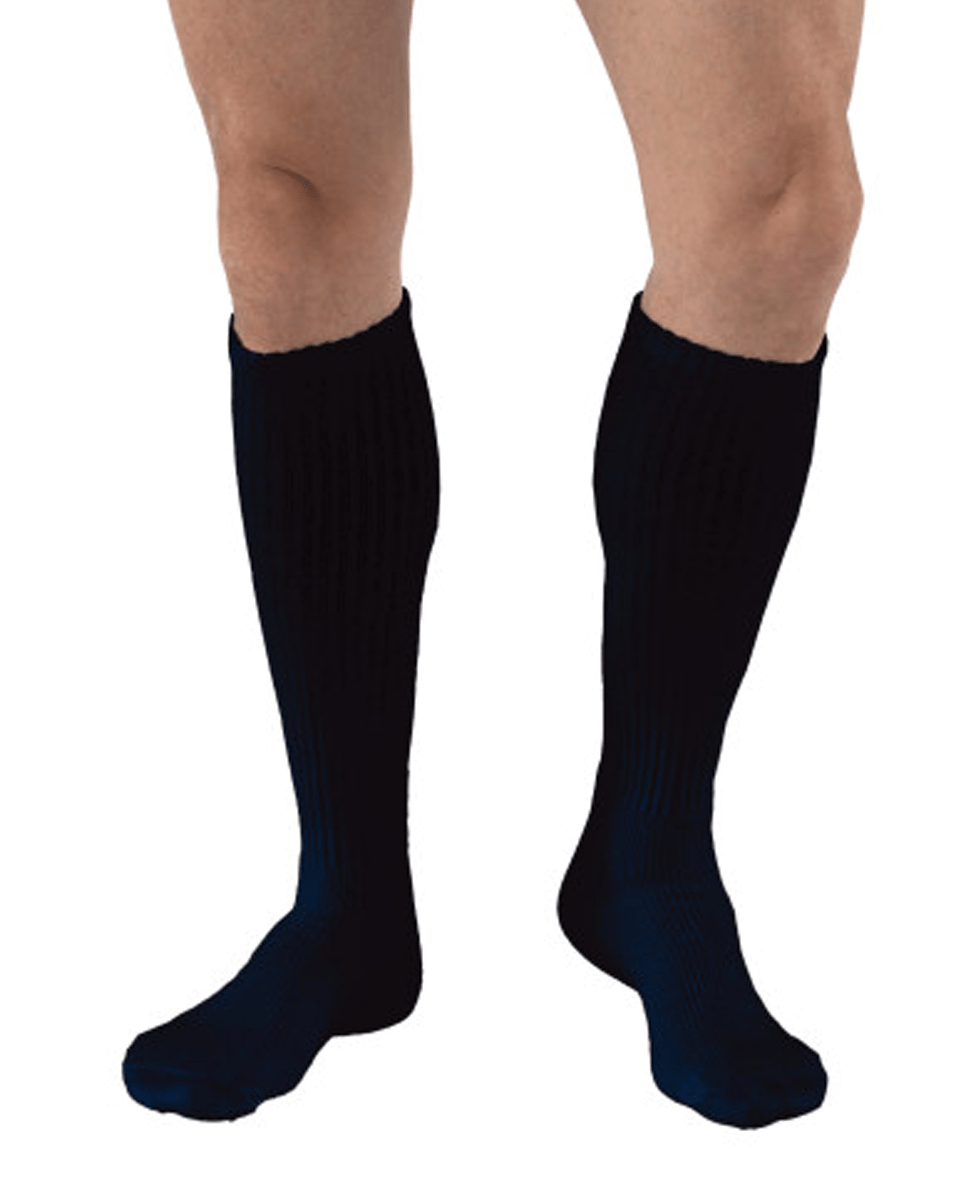
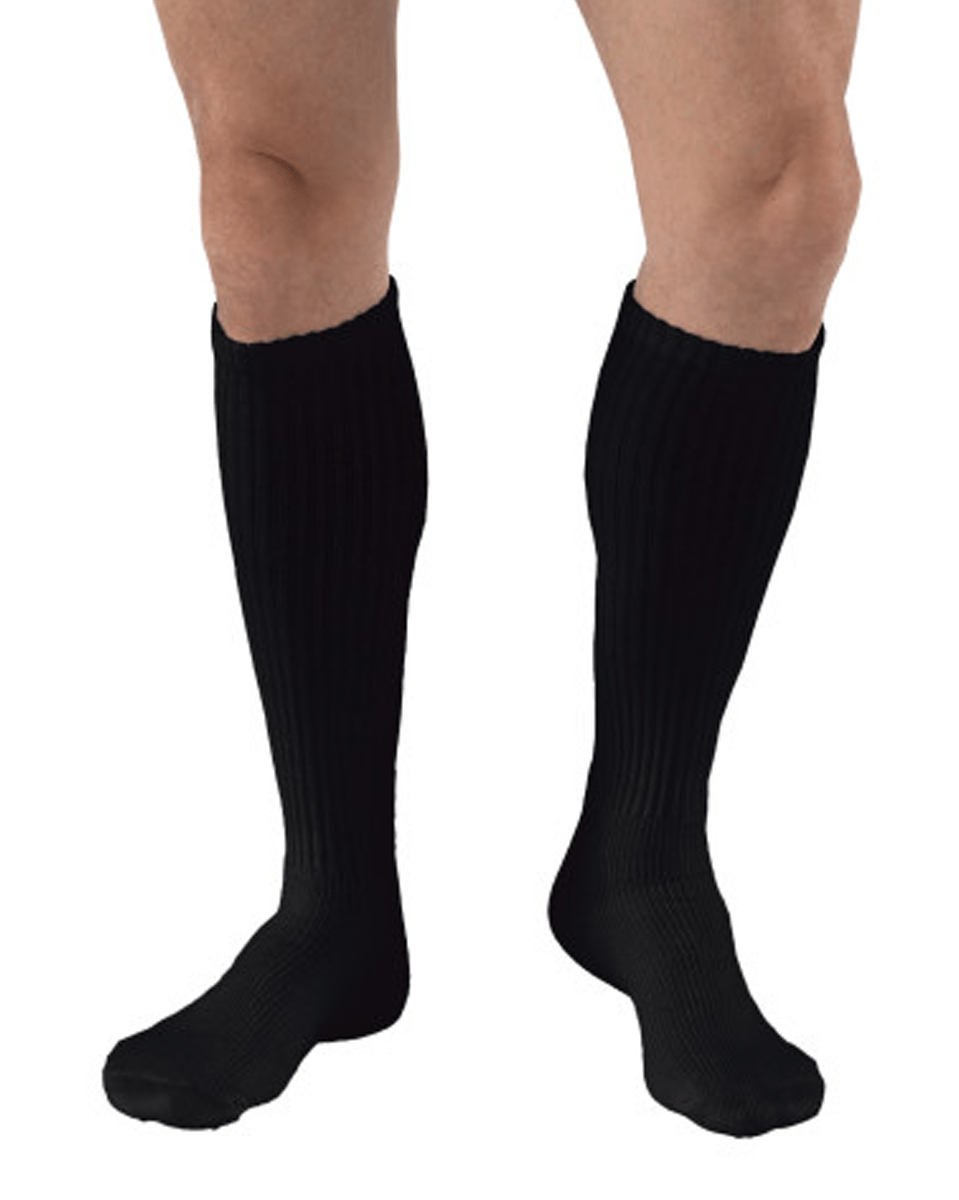
Knee-High
Coverage to just below the knee · the everyday default
Thigh-High
Coverage to the upper thigh · for symptoms above the knee
At a Glance
| Knee-High | Thigh-High | |
|---|---|---|
| Coverage | Foot to just below the knee | Foot to the upper thigh |
| Typical uses | Travel, work, general daily wear | Post-surgery, above-knee varicose veins, whole-leg swelling |
| Ease of wear | Easiest style to put on | Takes practice; silicone bands help |
| Staying up | No issue | Band quality and sizing matter |
| Summer comfort | Cooler — less leg covered | Warmer — more coverage |
| Price | Lower | Higher |
When knee-high is the right call
- Swelling, aching, or veins in the ankle and calf
- Travel and long days on your feet
- Easiest style to put on and wear all day
- Cooler in warm weather, lower cost
When thigh-high is the right call
- Symptoms or varicose veins above the knee
- Whole-leg swelling
- Post-surgical wear when your provider specifies it
- Provider guidance covering the whole leg
The 80% rule
Most people only need knee-high — roughly 80% of wearers are best served by it, because swelling and vein symptoms concentrate in the ankle and calf, exactly the zone a knee-high covers. Thigh-highs are for a reason, not a default: symptoms above the knee, post-surgical instructions, or provider guidance covering the whole leg. And one rule trumps everything — if your provider specified a length, match it; preference comes second.
The staying-up reality
Modern thigh-highs use silicone dot or lace top bands to grip the thigh, and band quality matters — but sizing accuracy is what actually stops rolling. A garment that is too long, too short, or mismatched to your thigh measurement will migrate no matter how good the band is. Measure in the morning and match the size chart of the brand you buy.
The third option: waist-high and pantyhose
If thigh-highs will not stay put on your leg shape, or you want maternity support, pantyhose and waist-high styles sidestep the band question entirely — nothing to roll, and coverage over the whole leg. Browse waist-high and pantyhose styles.
Quick picks
Frequently Asked Questions
Are thigh-highs more effective than knee-highs?
Only when symptoms extend above the knee. For swelling, aching, or veins in the ankle and calf — the majority of cases — a properly fitted knee-high delivers the same graduated compression where it is needed.
Why do my thigh-highs roll down?
Rolling is almost always a sizing issue. Silicone dot or lace top bands help a garment grip, but sizing accuracy is what stops rolling — re-measure your thigh and leg length in the morning and match the size chart of the brand exactly.
Can I wear knee-highs for varicose veins?
If the veins and symptoms sit at or below the knee, knee-highs are the common choice. If veins or swelling extend above the knee, or your provider has recommended whole-leg coverage, choose thigh-highs and follow that guidance.
Are thigh-highs harder to put on?
Generally yes — there is more length and fabric to work up the leg, and it takes practice. Donning gloves help, and accurate sizing makes the job noticeably easier.
When is pantyhose-style better?
When thigh-highs will not stay put on your leg shape, or during pregnancy — maternity pantyhose are designed for a growing belly while still delivering graduated leg compression.
Both lengths ship fast with our Low Price Guarantee and 100-day exchange.
Shop Knee-HighShop Thigh-HighAccurate sizing keeps any style comfortable and in place — use the measuring guide.