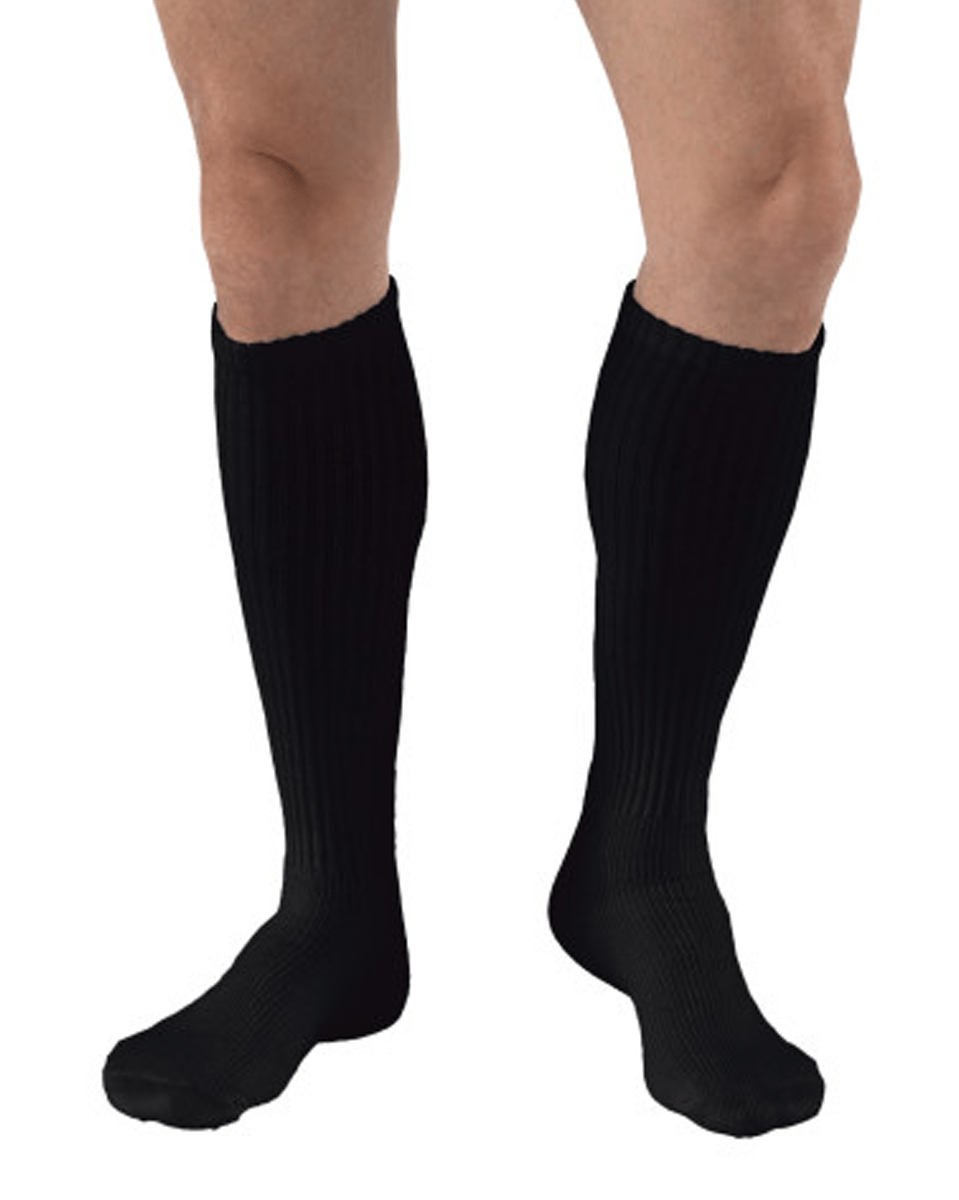
TED Hose vs Compression Stockings: Which Do You Need When?
They look similar and both squeeze the leg — but they are built for two different situations, and the difference matters.
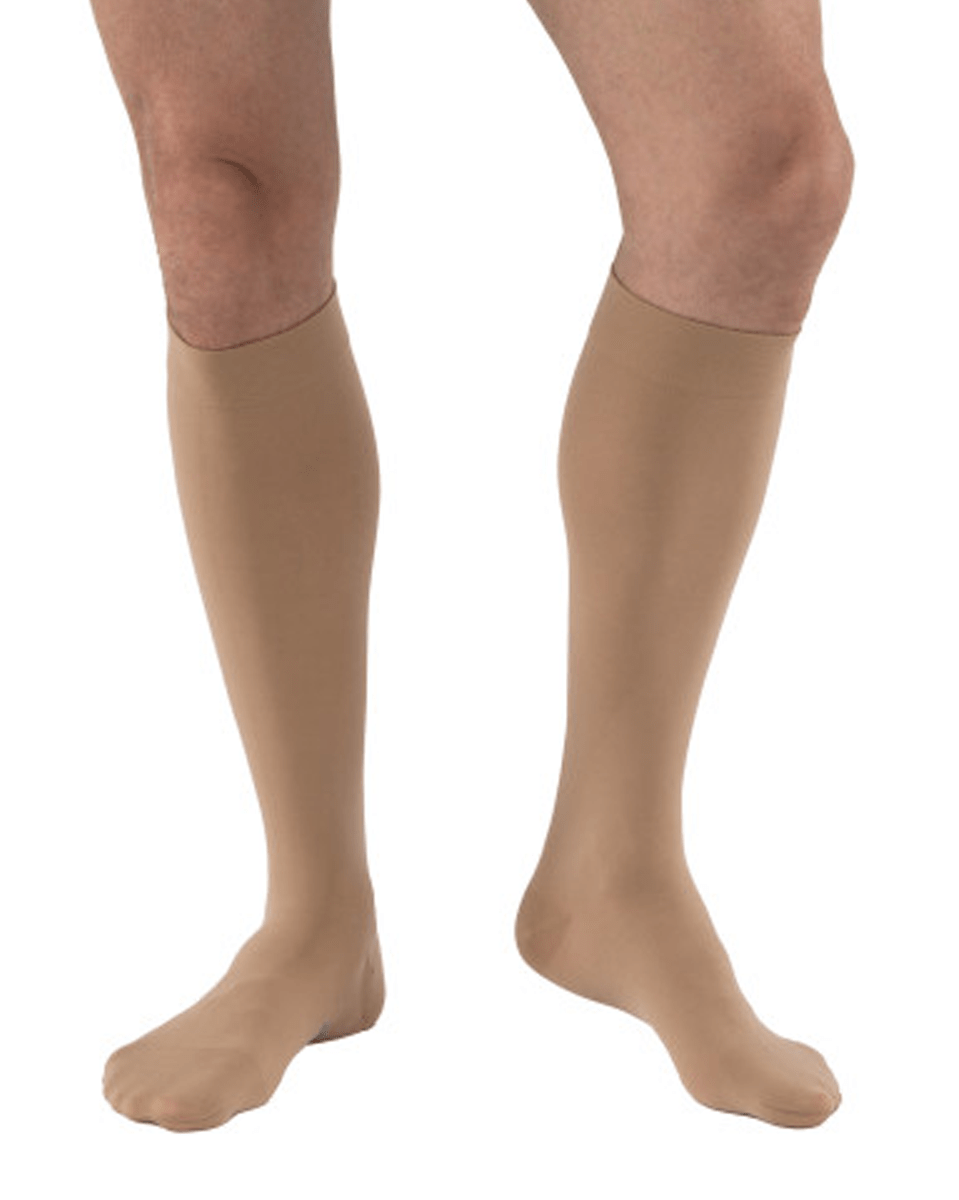
TED (thrombo-embolic deterrent) hose deliver about 18 mmHg and are designed for people on bed rest — during and after hospital stays. Graduated compression stockings (15-20, 20-30, 30-40 mmHg) are designed for people who are up and walking. The rule of thumb clinicians use: lying down, TED; up and walking, graduated.
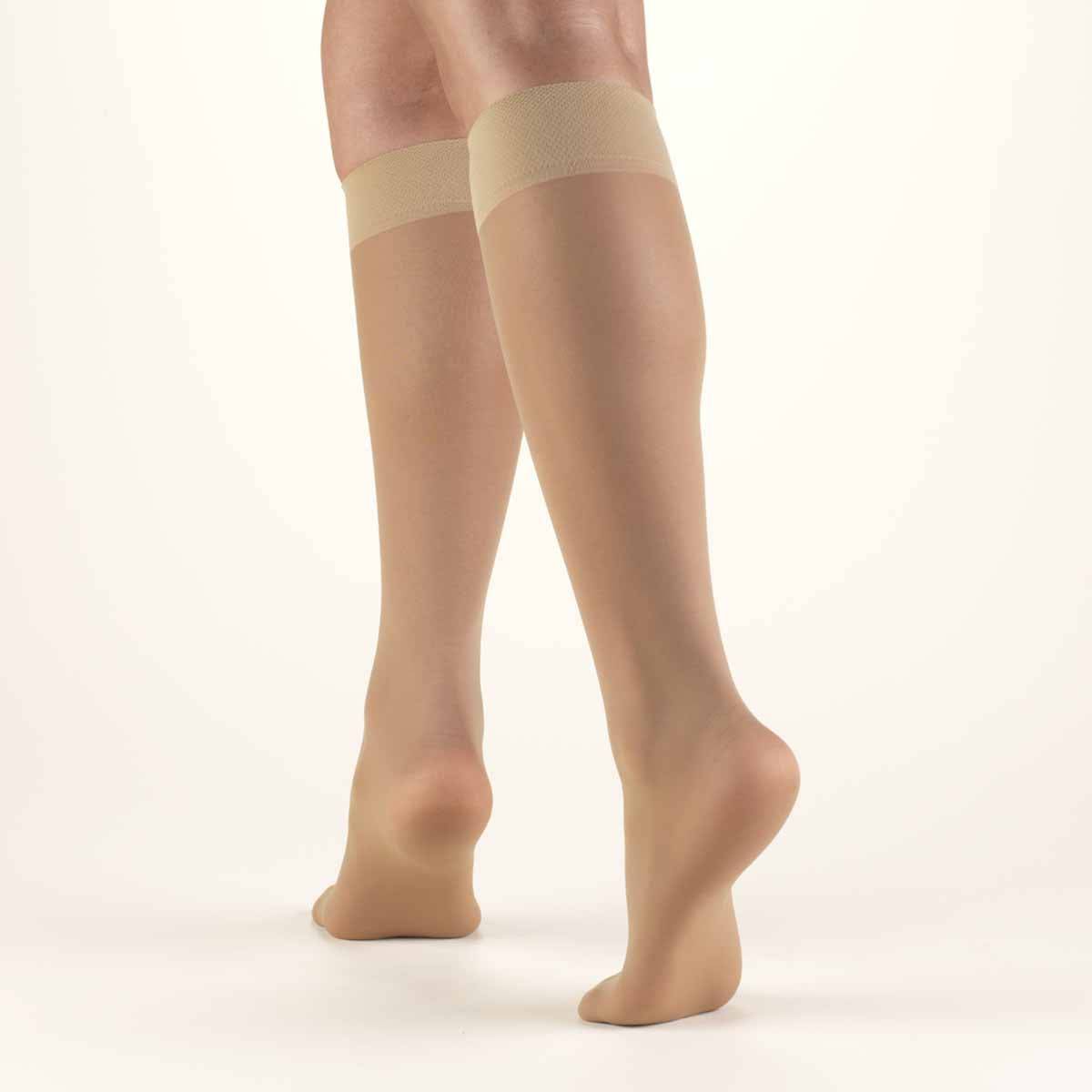
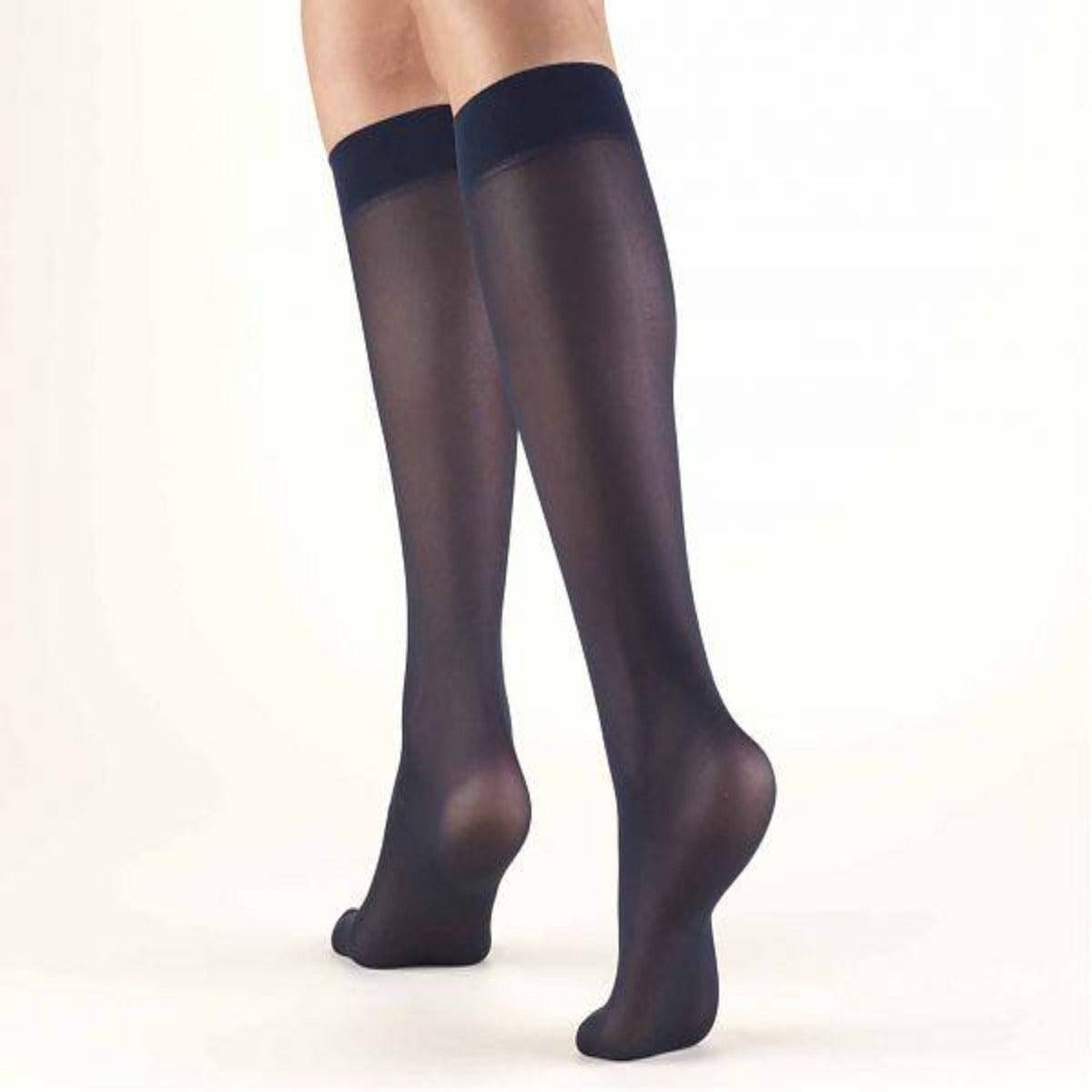
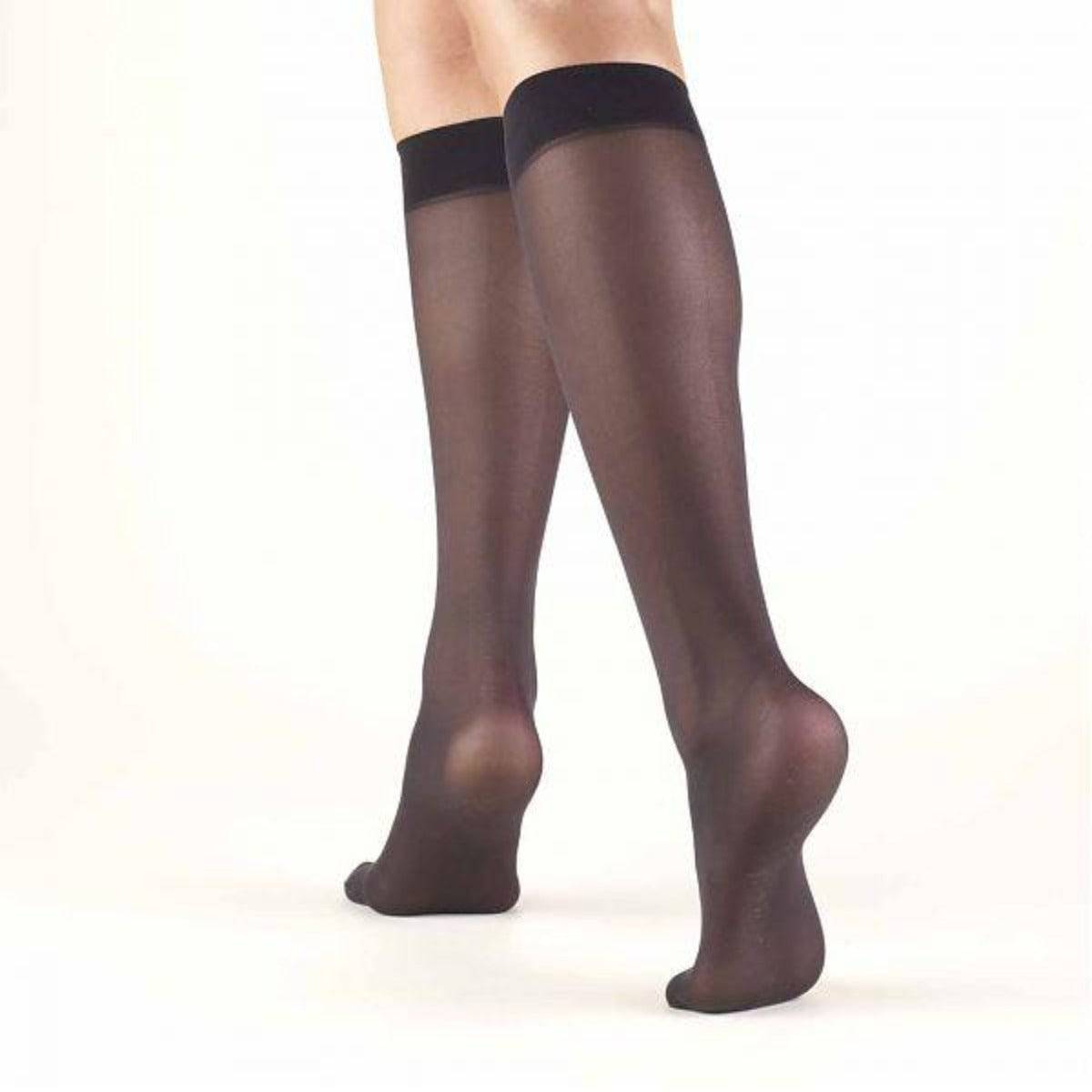
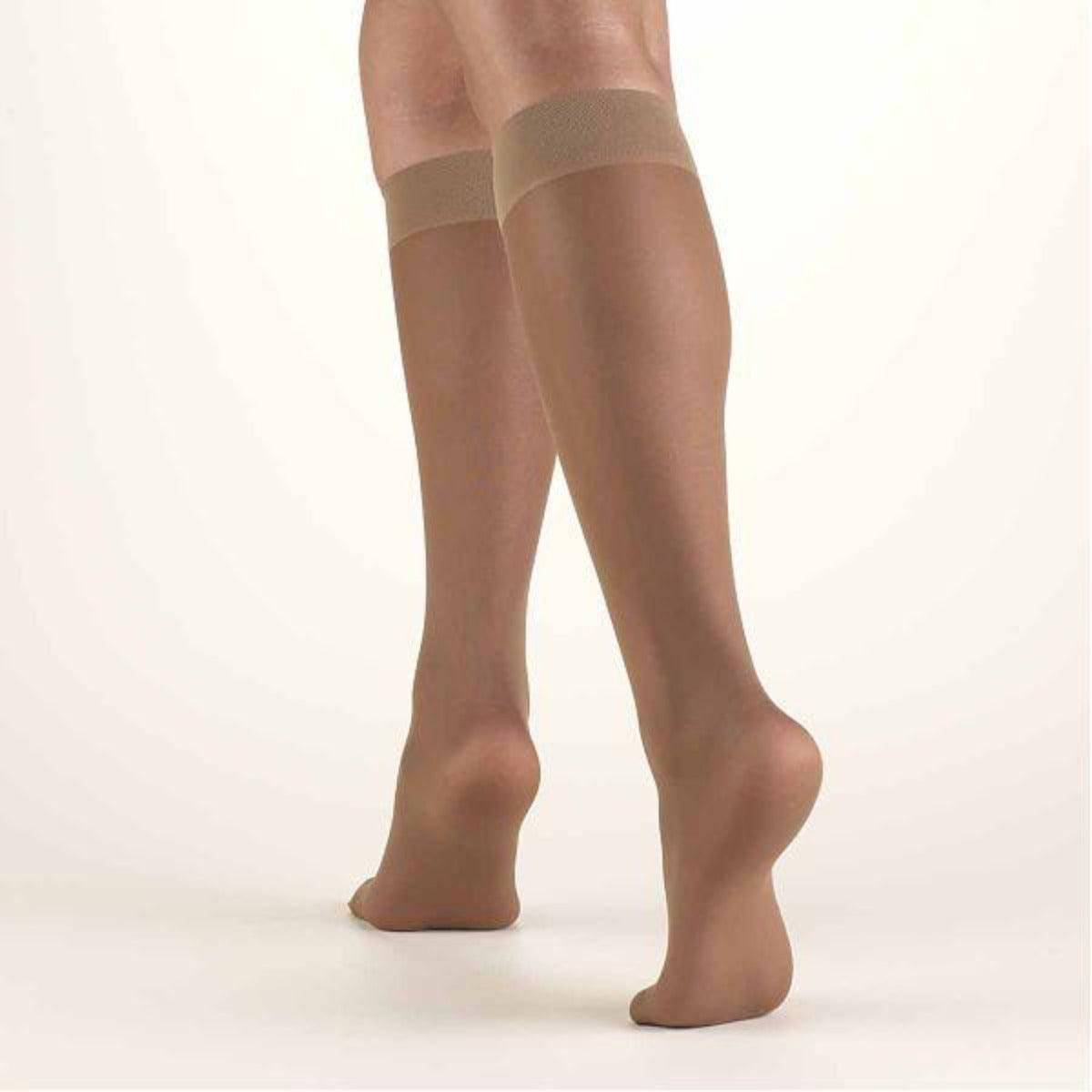
TED / Anti-Embolism
About 18 mmHg — designed for lying down
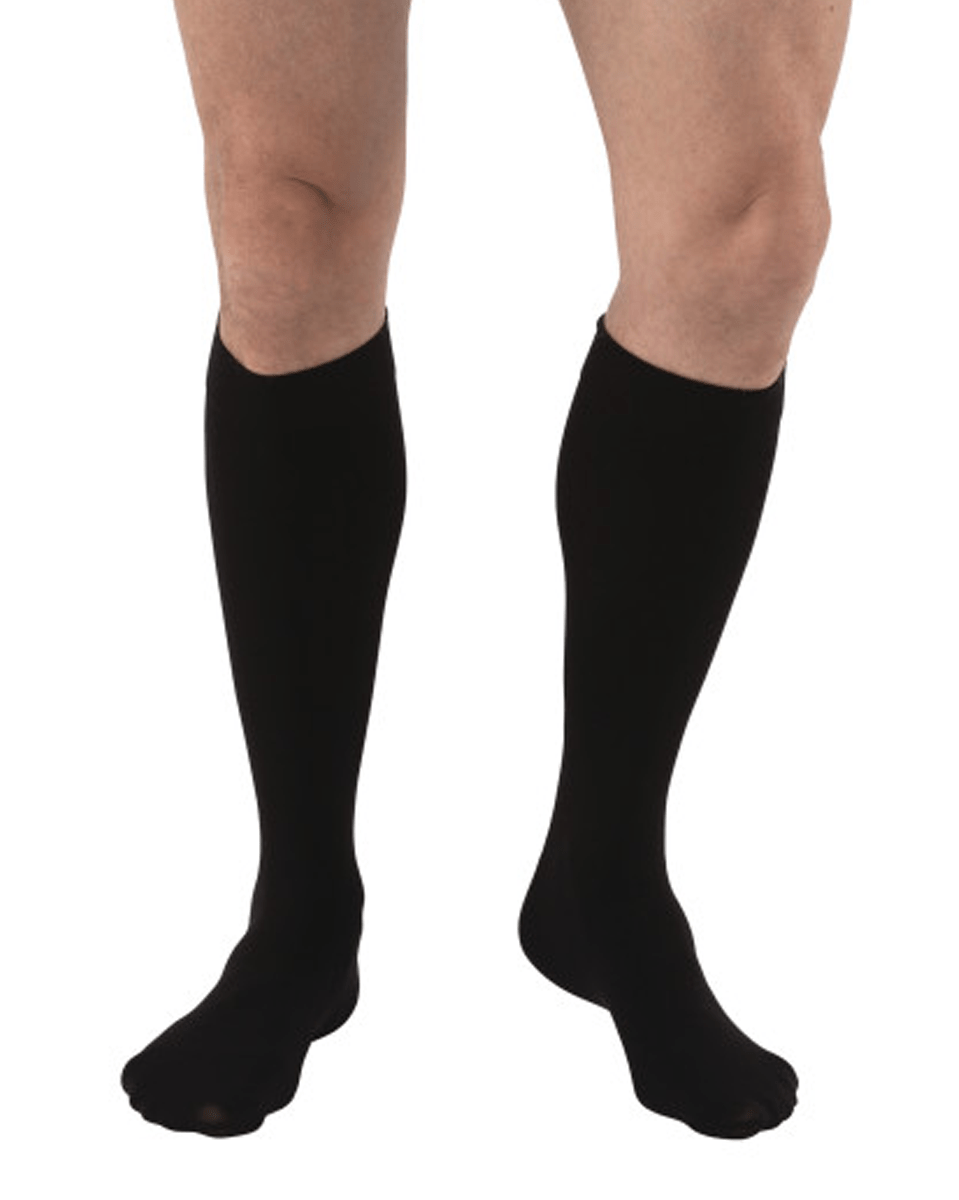
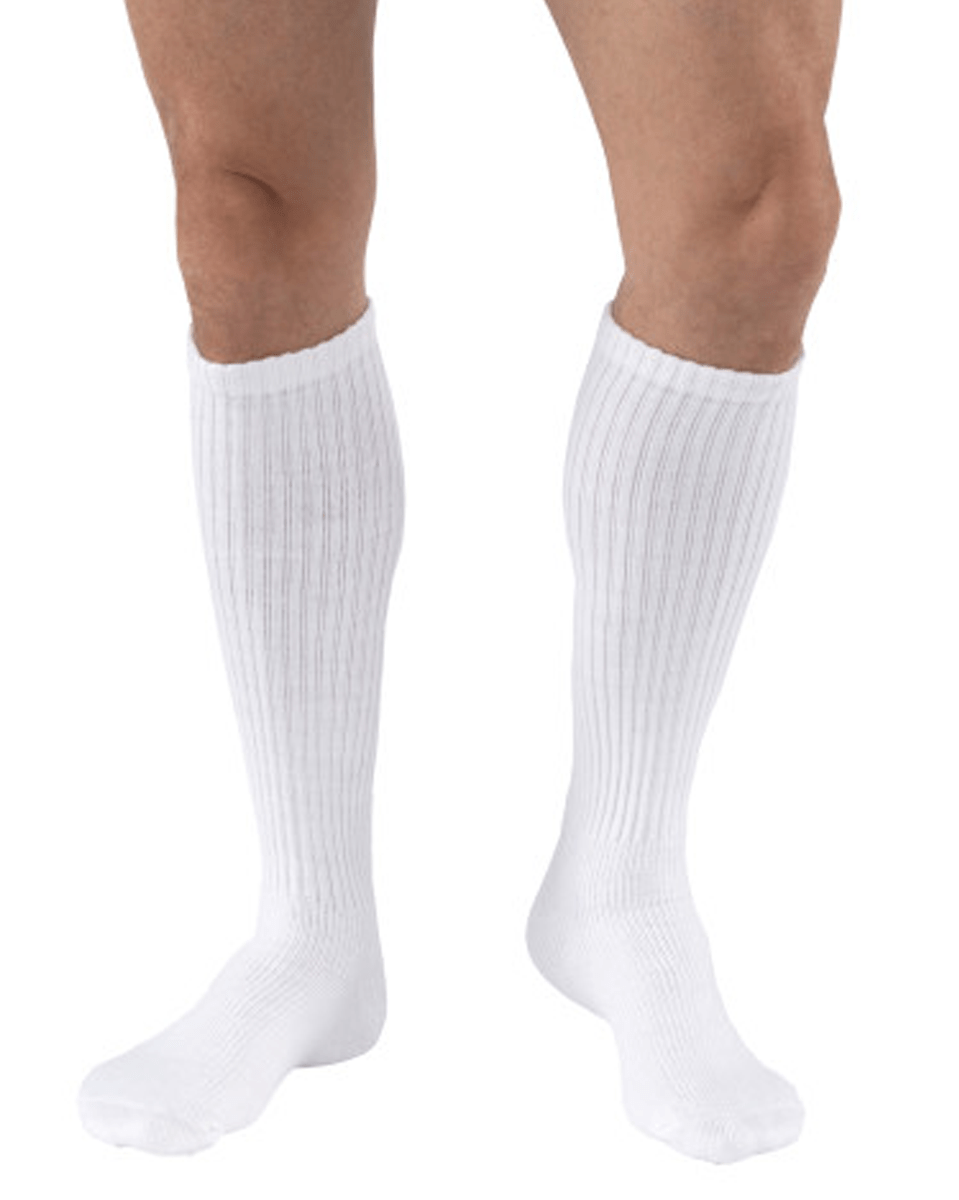
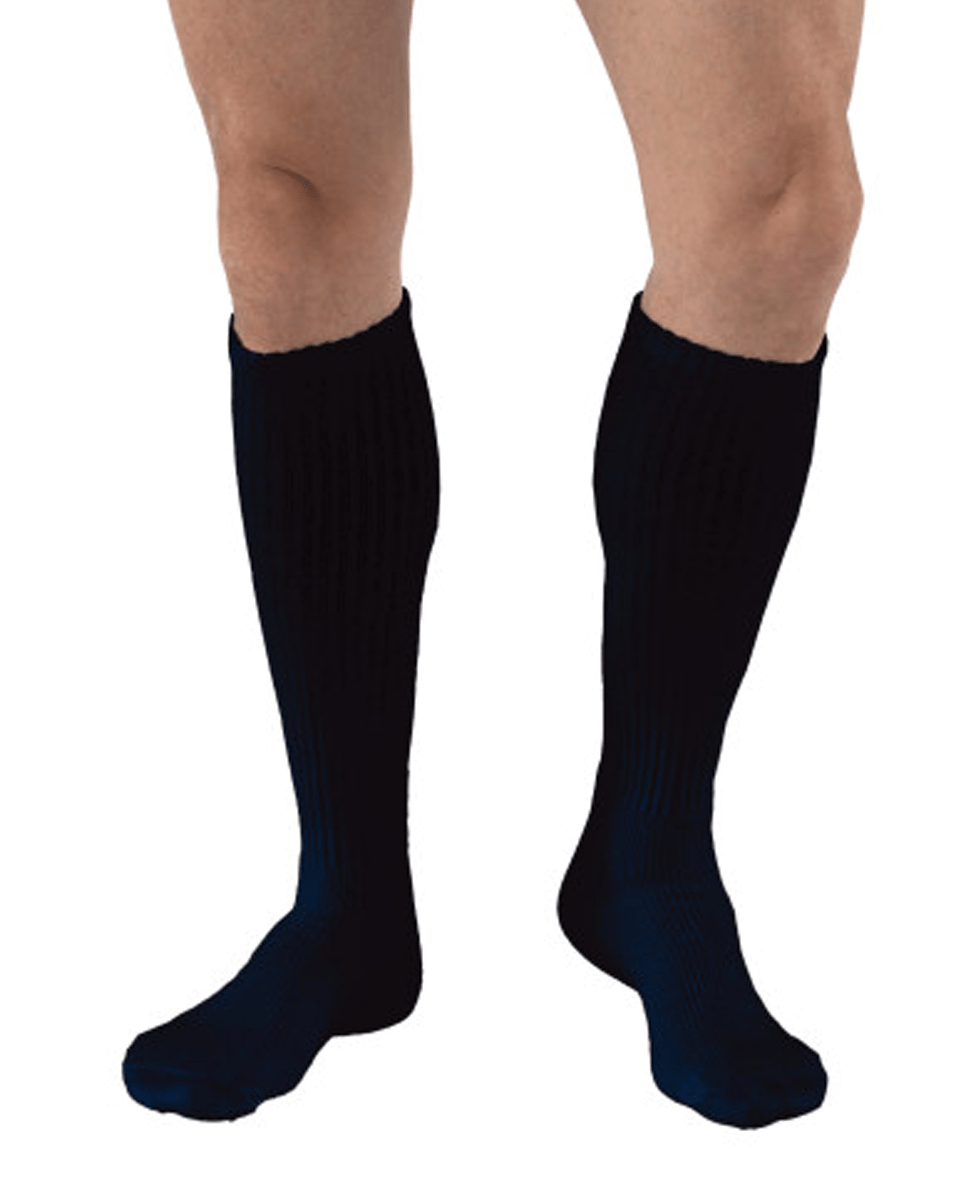
Graduated Compression
15-40 mmHg — designed for up and moving
At a Glance
| TED / Anti-Embolism | Graduated Compression | |
|---|---|---|
| Pressure | Uniform, about 18 mmHg | Graduated, 15-40 mmHg by level — firmest at the ankle |
| Designed for | Non-ambulatory wear — bed rest | Ambulatory wear — up and walking |
| Typical use window | Weeks around surgery, set by your provider | Ongoing daily wear |
| Styles | Knee and thigh lengths, open-toe inspection ports | Full style range — knee, thigh, pantyhose, sheer, open or closed toe |
| Where prescribed | Hospital discharge | Clinic recommendation, plus over-the-counter purchase |
TED hose are for
- Bed rest during and after a hospital stay
- The recovery window your provider set at discharge
- Wearers who are off their feet most of the day
Graduated stockings are for
- People who are up, walking, and back to daily routines
- Ongoing wear for tired legs, swelling, or vein support
- Everyday styles — sheer, opaque, athletic, dress
Why hospitals send you home with TED hose
TED hose are commonly used during and after hospital stays for patients spending most of the day in bed. Their uniform, roughly 18 mmHg profile is designed around a horizontal leg, and the open-toe inspection port lets care teams check circulation without removing the stocking. That is why they are so often part of the discharge bag after surgery.
When to transition from TED to graduated
TED hose are built for the bed-rest phase — once you are back on your feet and moving through the day, they are outside their design brief. Ask your provider at your follow-up appointment whether it is time to switch to graduated compression; many people wear TED hose far longer than intended simply because nobody revisited the question. The transition timing is provider-set, so raise it rather than deciding on your own.
Buying replacements for either
TED-style anti-embolism stockings lose elasticity with wear and washing, so replacements matter if your provider wants you in them for weeks. Match what you were given — level, length, and toe style — and re-measure before ordering, since anti-embolism and graduated size charts differ.
Frequently Asked Questions
Can I wear TED hose while walking around?
TED hose are designed for people who are lying down most of the day, and their uniform pressure profile is not built for standing and walking. Once you are regularly up and moving, ask your provider whether it is time to switch to graduated compression stockings.
How long after surgery do I wear TED hose?
The wear window is set by your provider and varies by procedure — often a few weeks. Follow the timeline you were given at discharge, and confirm at your follow-up appointment rather than deciding on your own.
Are TED hose the same as compression socks?
No. TED hose deliver a uniform pressure of about 18 mmHg for bed rest, while compression socks deliver graduated pressure — firmest at the ankle — in rated levels like 15-20 and 20-30 mmHg for people who are up and active.
What does TED stand for?
TED stands for thrombo-embolic deterrent. TED hose are commonly used during and after hospital stays for people on bed rest, which is why they are often sent home with you at discharge.
What replaces TED hose when I am mobile again?
Graduated compression stockings — most often 15-20 or 20-30 mmHg, depending on what your provider recommends at follow-up. Re-measure before buying, since TED and graduated sizing charts differ.
Both ship fast with our Low Price Guarantee and 100-day exchange.
Shop Anti-Embolism (18 mmHg)Shop 20-30 mmHgGet the size right with the measuring guide.