Medical Grade vs Budget Compression Socks: Real Differences
Medical-Grade vs Budget Compression: What You're Actually Paying For
Compression socks range from $10 multipacks to $80 medical stockings. The difference isn't branding — it's whether the garment delivers tested, graduated compression at a stated mmHg rating, and how long it keeps delivering it.
Medical-Grade
Tested mmHg rating · graduated pressure · measurement-based sizing
Budget / Fashion
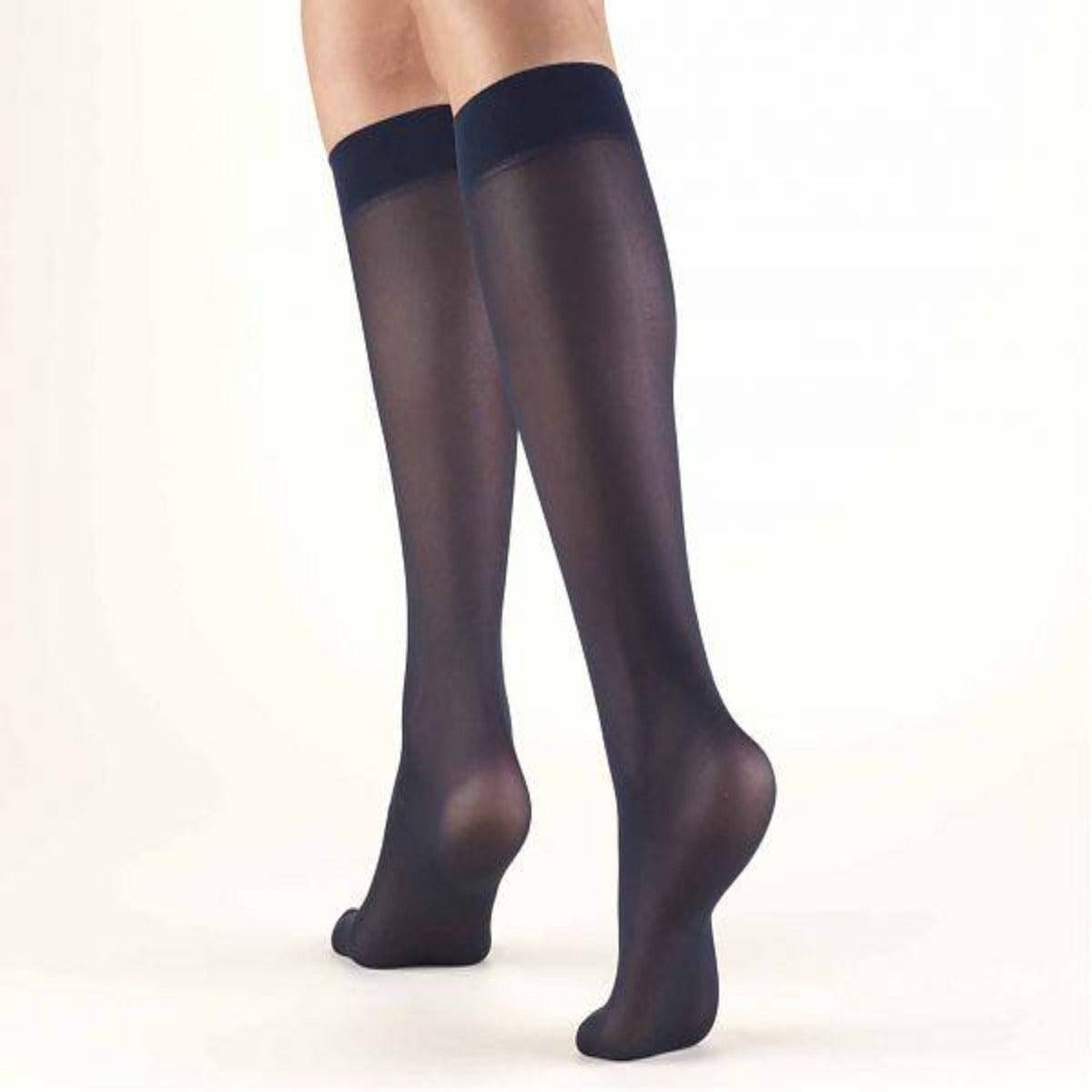
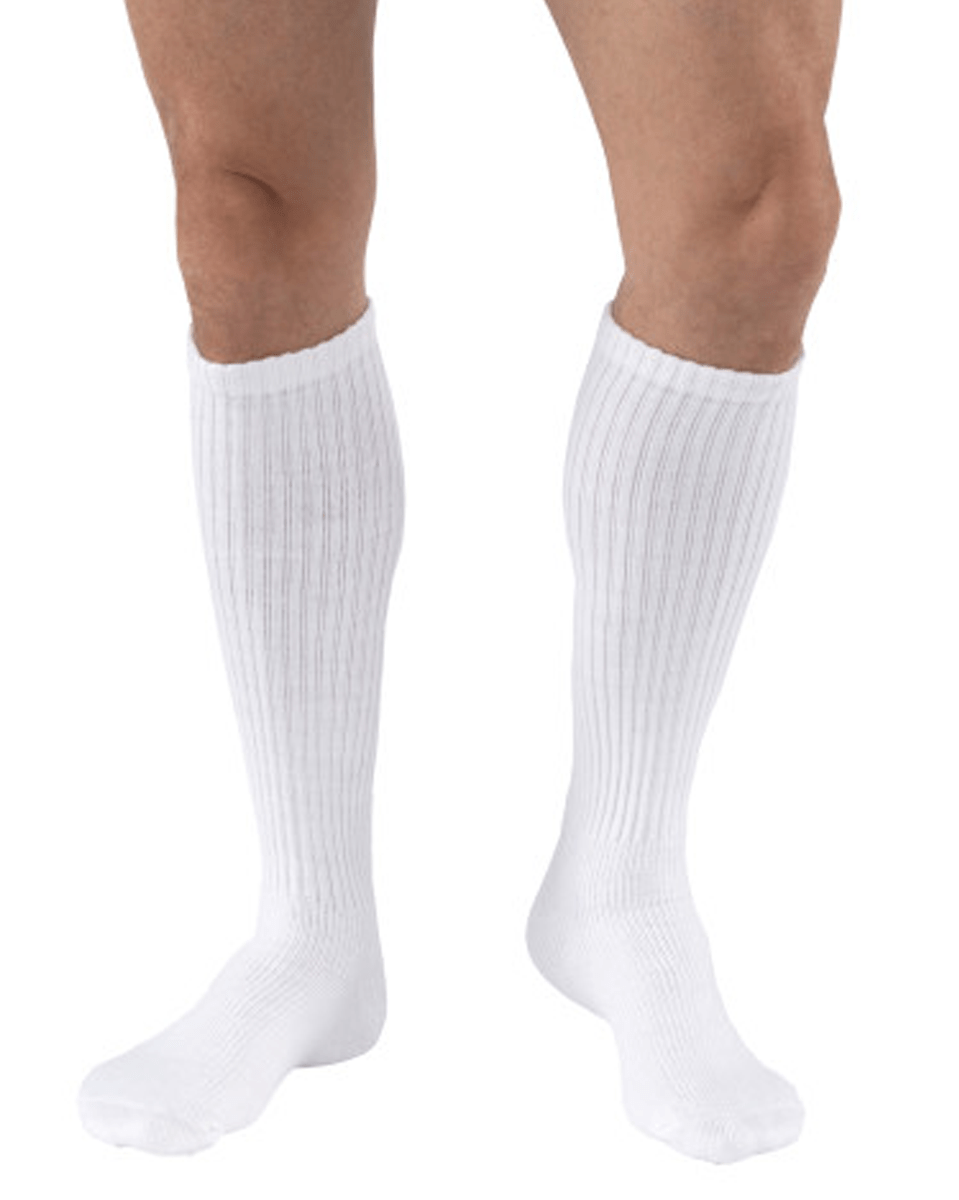
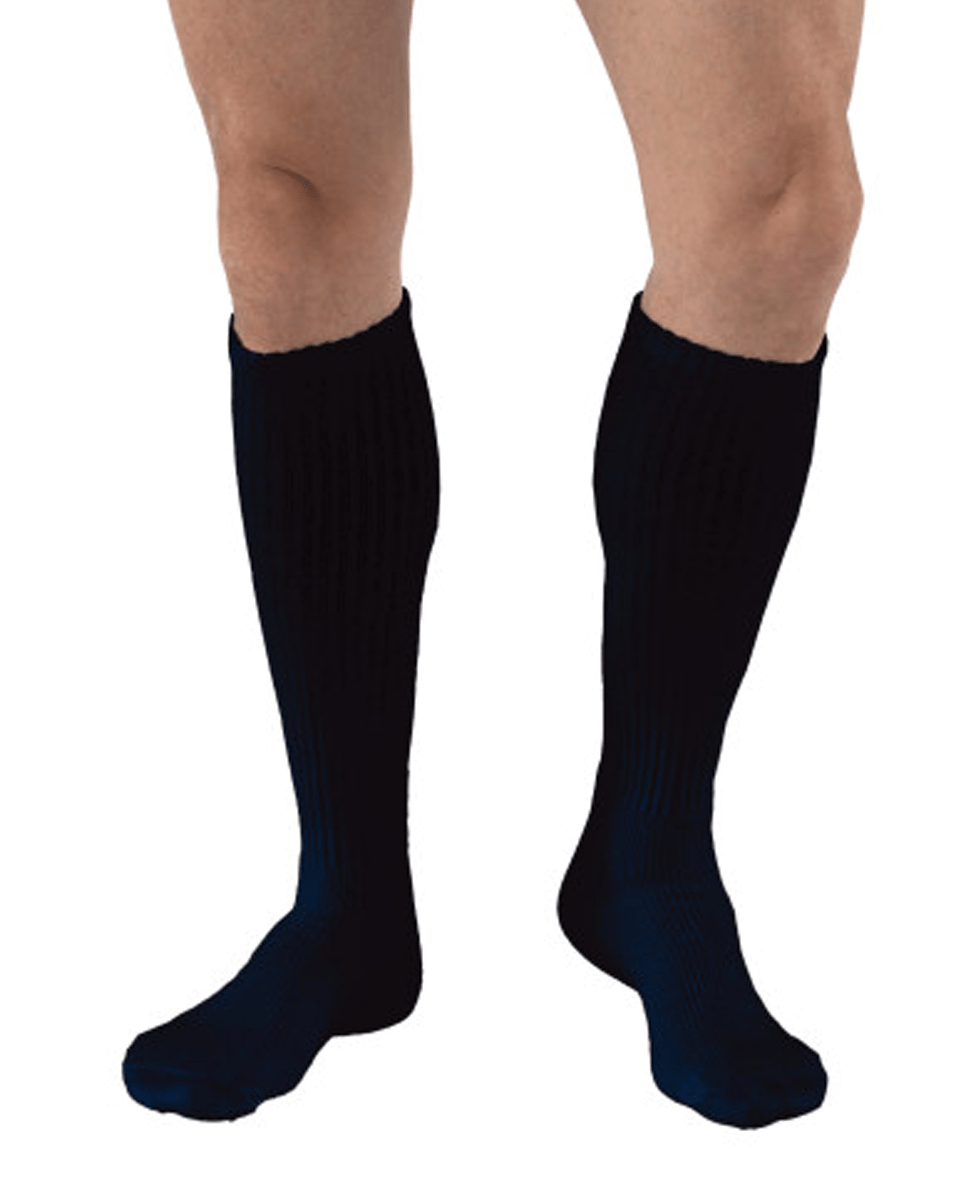
Often unrated · uniform squeeze · S/M/L by shoe size
The core difference: rated, graduated compression
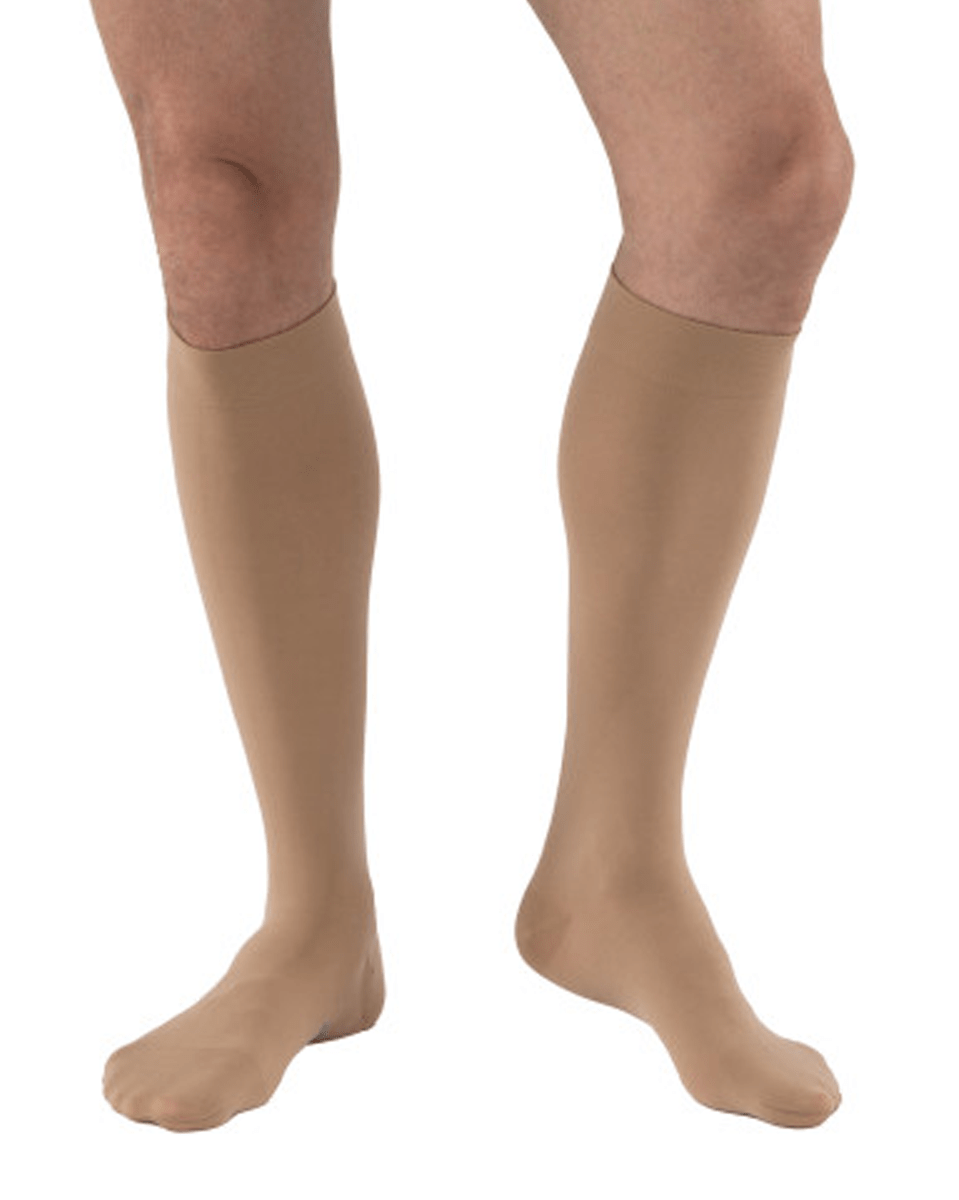
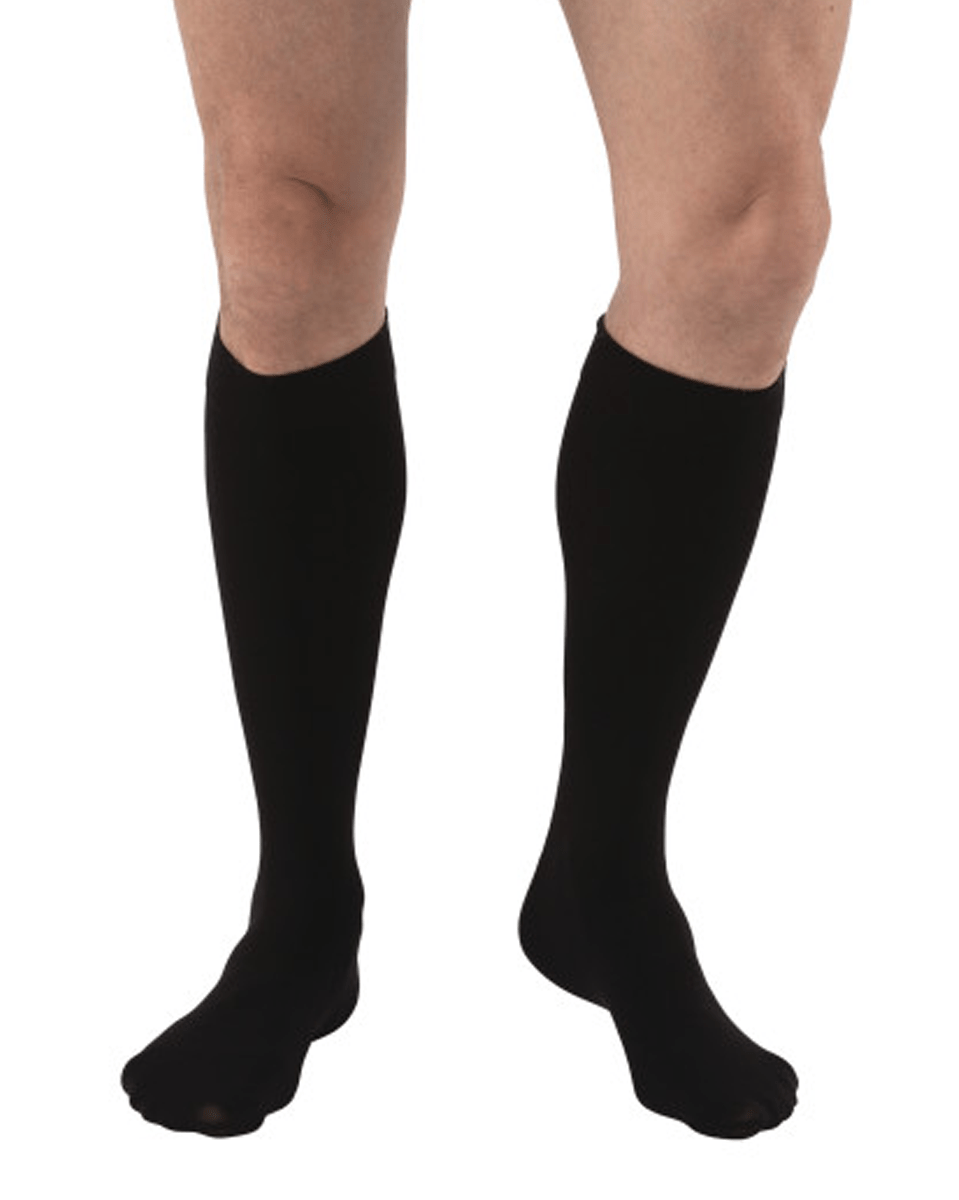
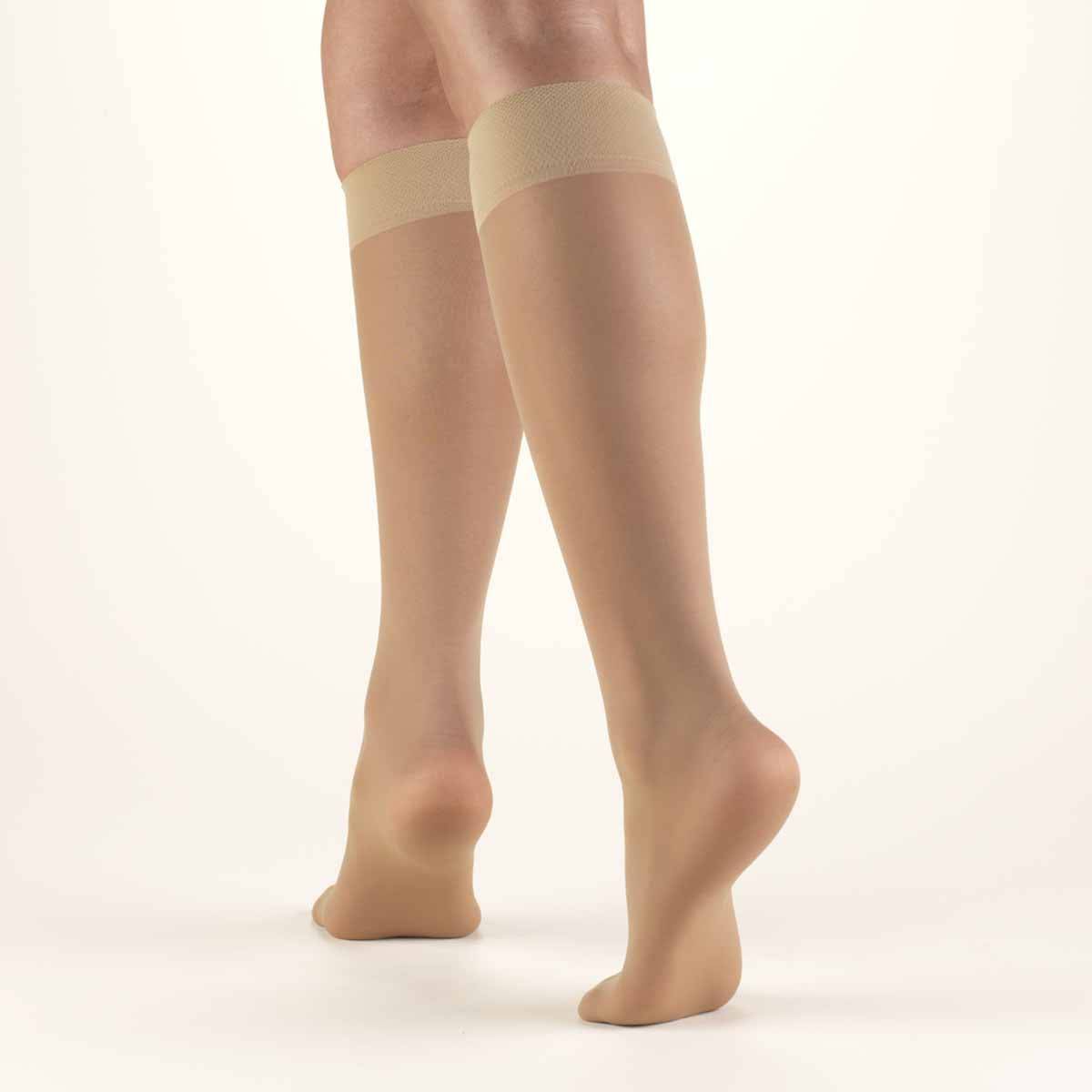
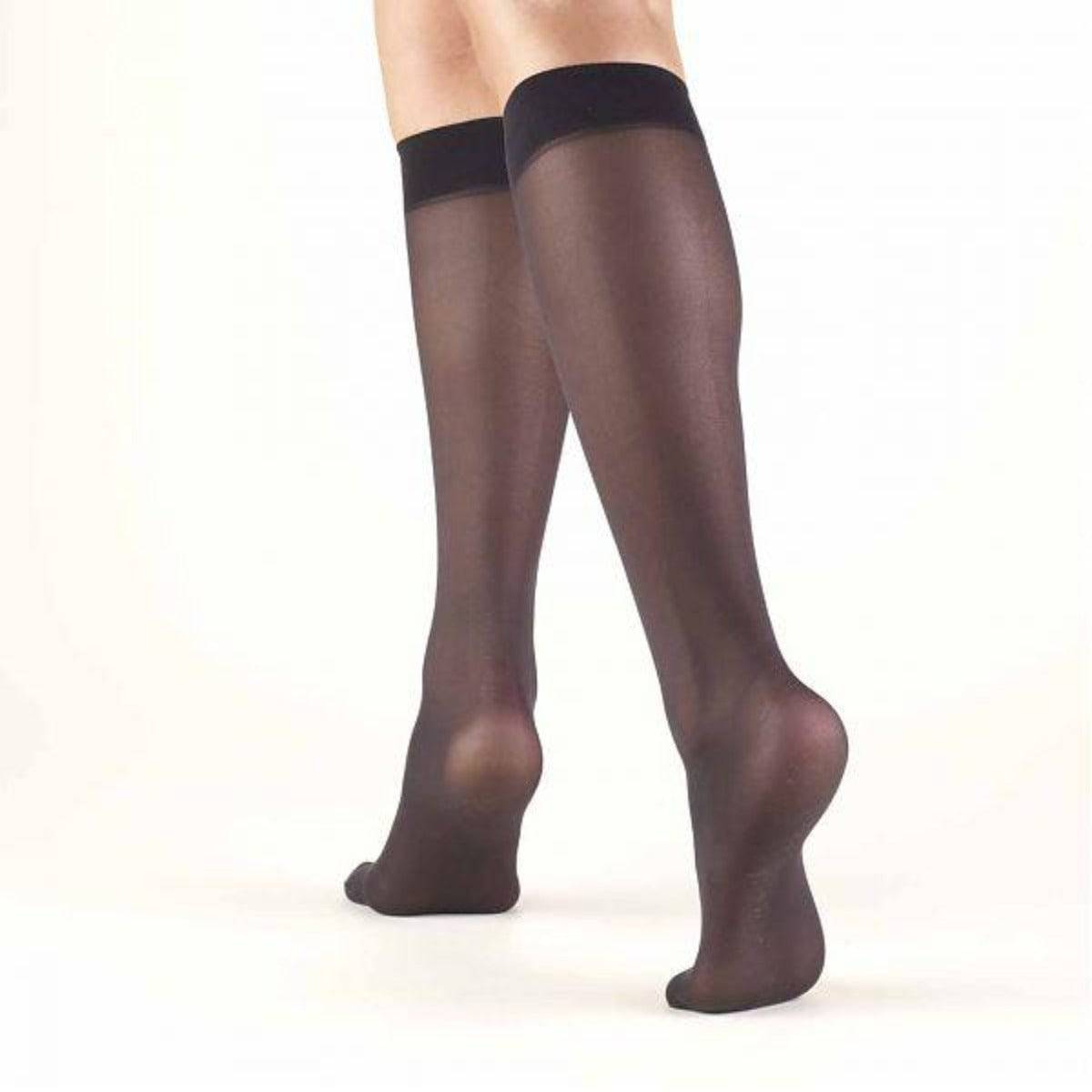
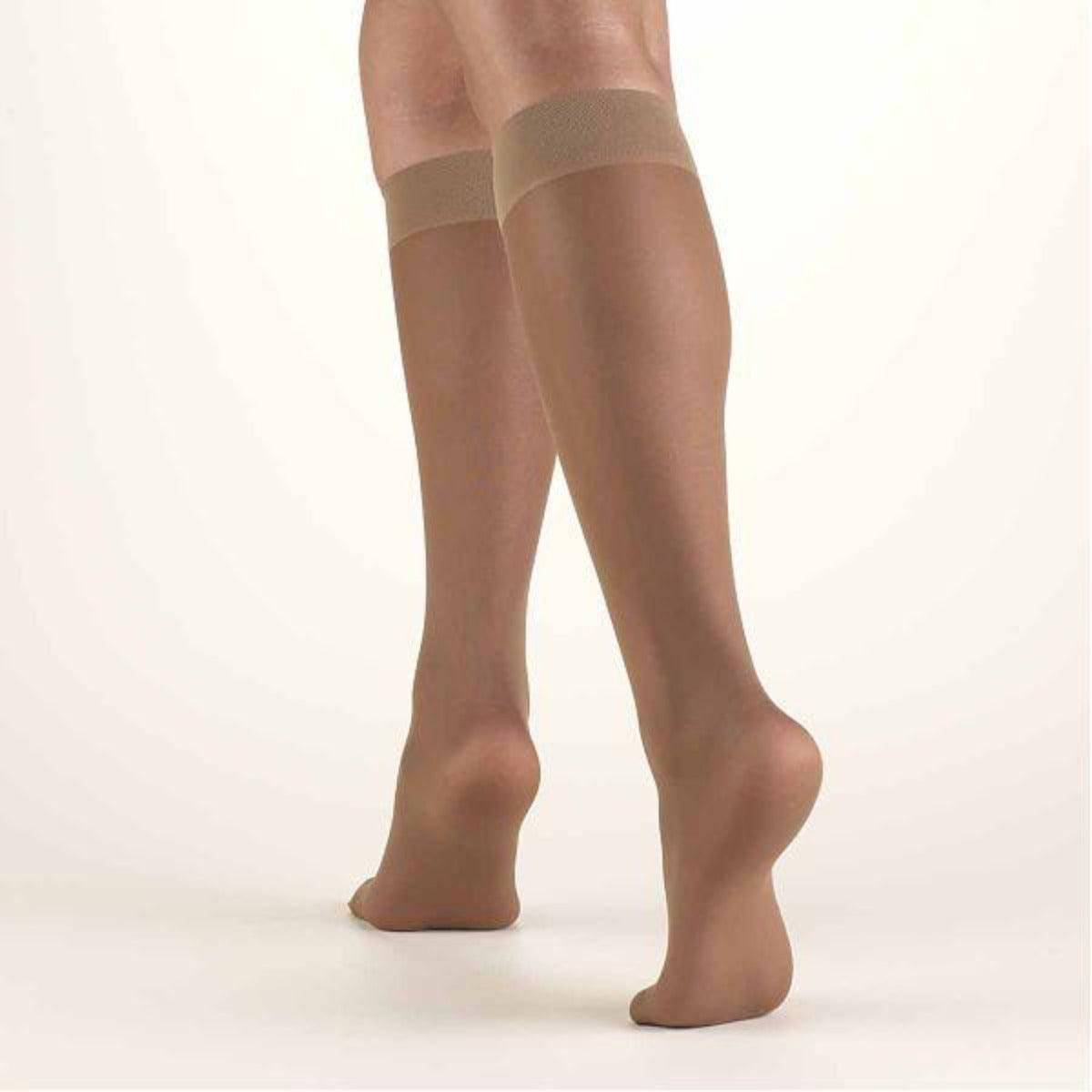
Medical-grade garments (JOBST, SIGVARIS, Juzo, Truform, and similar) are knit to deliver a specific pressure at the ankle that decreases gradually up the leg, and are tested to hold that rating. Budget compression socks often state no mmHg rating at all, or apply uniform squeeze rather than a gradient — which is not the same therapy.
| Medical-grade | Budget/fashion | |
|---|---|---|
| mmHg rating | Stated and tested (15-20, 20-30, 30-40) | Often unstated or approximate |
| Pressure profile | Graduated (highest at ankle) | Frequently uniform |
| Sizing | Measurement-based charts | S/M/L by shoe size |
| Compression life | 3-6 months of daily wear | Often fades within weeks |
| Styles | Knee/thigh/pantyhose, open/closed toe, wide calf | Mostly knee-high crew |
| Price | $20-80 | $5-15 |
When budget socks are fine
Casual comfort during travel, light activity, or trying compression for the first time — a modest, comfortable squeeze is better than nothing, and some rated 15-20 mmHg value lines (Truform, Second Skin) sit near budget prices while still being true graduated garments.
When medical-grade matters
When a healthcare provider recommends a specific level; for swelling, varicose veins, post-procedure wear, or all-day occupational use; when sizing precision matters (wide calf, petite, thigh-high); and when you wear them daily — per-wear cost usually favors the garment that holds compression for months.
The middle path most people miss: rated value lines from medical brands — JOBST Relief, SIGVARIS Dynaven, Truform, Second Skin — deliver true graduated compression at $15-35. If budget is the constraint, step down the line, not the rating.
Frequently Asked Questions
What makes compression socks medical grade?
A tested, stated mmHg rating with graduated pressure — highest at the ankle, decreasing up the leg — plus measurement-based sizing.
Are cheap compression socks effective?
For casual comfort, they can help. For any provider-recommended use, choose a garment with a stated mmHg rating and measurement-based sizing.
Is 15-20 mmHg medical grade?
Yes, when rated and graduated. 15-20 mmHg is the most common over-the-counter medical level.
Do I need a prescription?
Levels up to 20-30 mmHg are commonly available without a prescription. Follow your provider's advice for higher levels.
How long do medical-grade socks last?
Typically 3-6 months of daily wear with proper care, after which compression declines and they should be replaced.
Start with the most popular over-the-counter level, sized from real measurements.
Shop 15-20 mmHgMeasuring GuideMake each pair last with the washing & care guide.