Zippered Compression Socks vs Traditional: Honest Tradeoffs
Zippered vs Traditional Compression Socks: Honest Tradeoffs
Zip-up compression socks are everywhere online, and the pitch is real: they are easier to put on. Here is the honest version of the tradeoffs.
Zippered socks solve a real problem — donning strength — but the zipper is also their weakness: pressure can be uneven along the zip line, sizing is less precise, and zippers are usually the first thing to fail. If donning is the obstacle, there are ways to keep true graduated compression and still make it easier to put on.
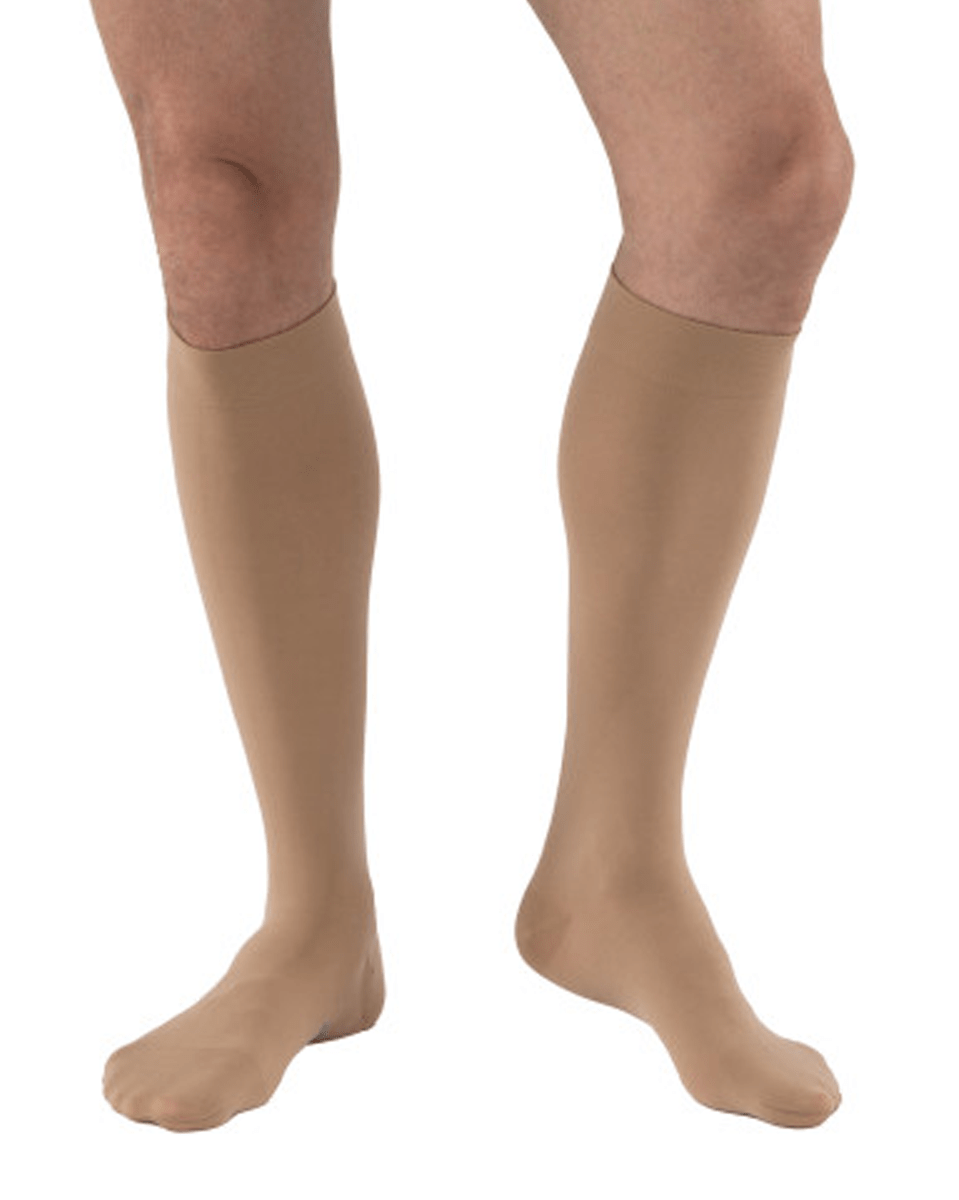
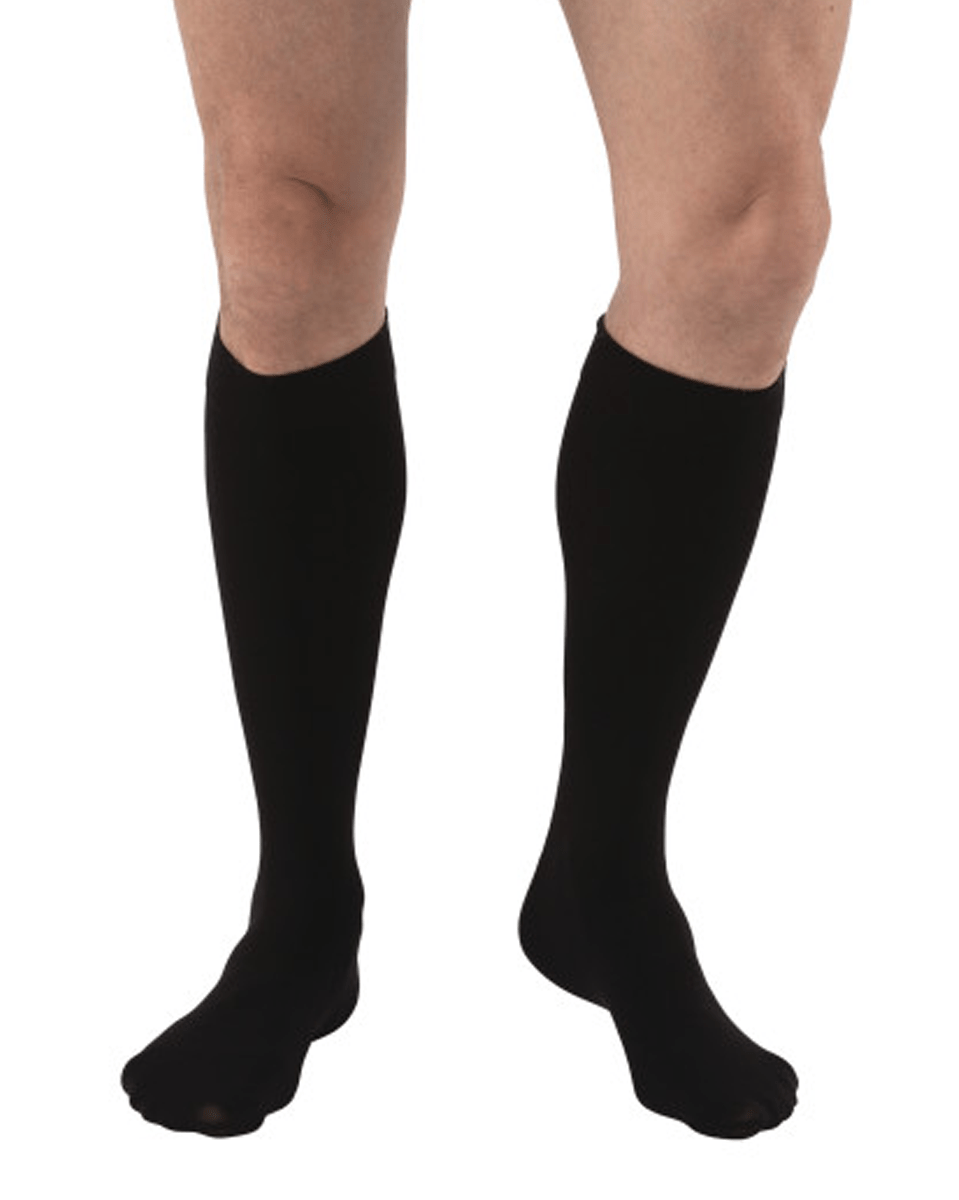
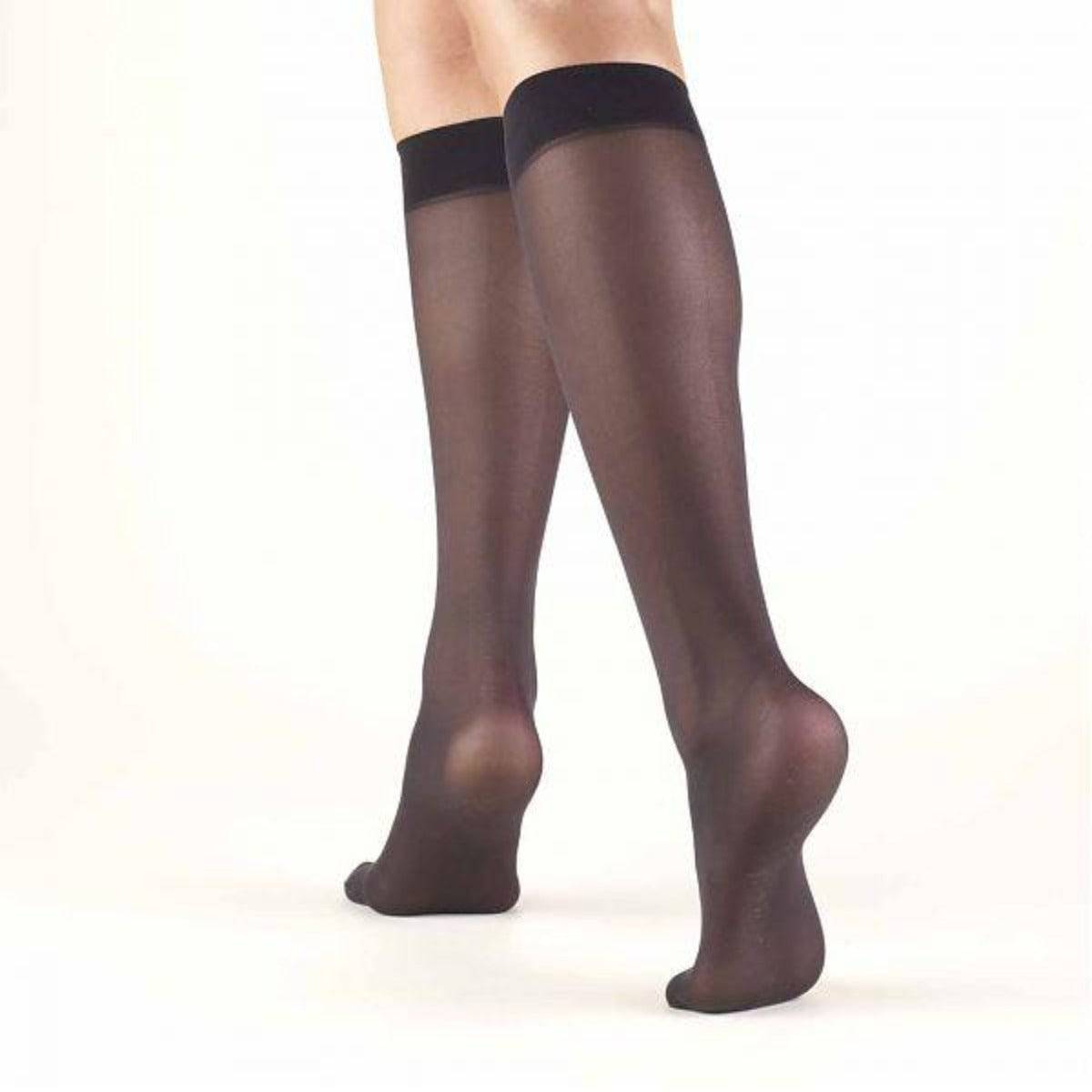
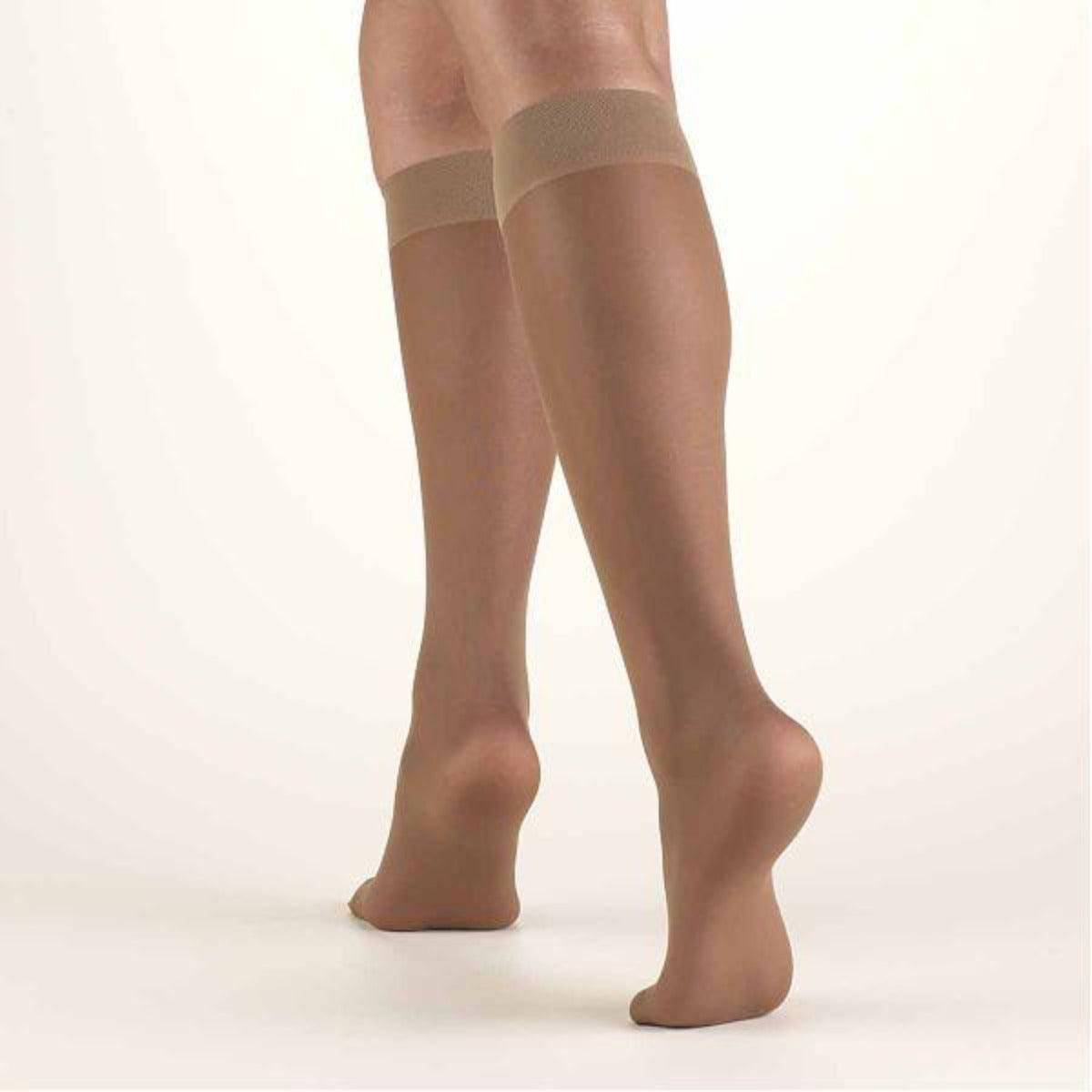
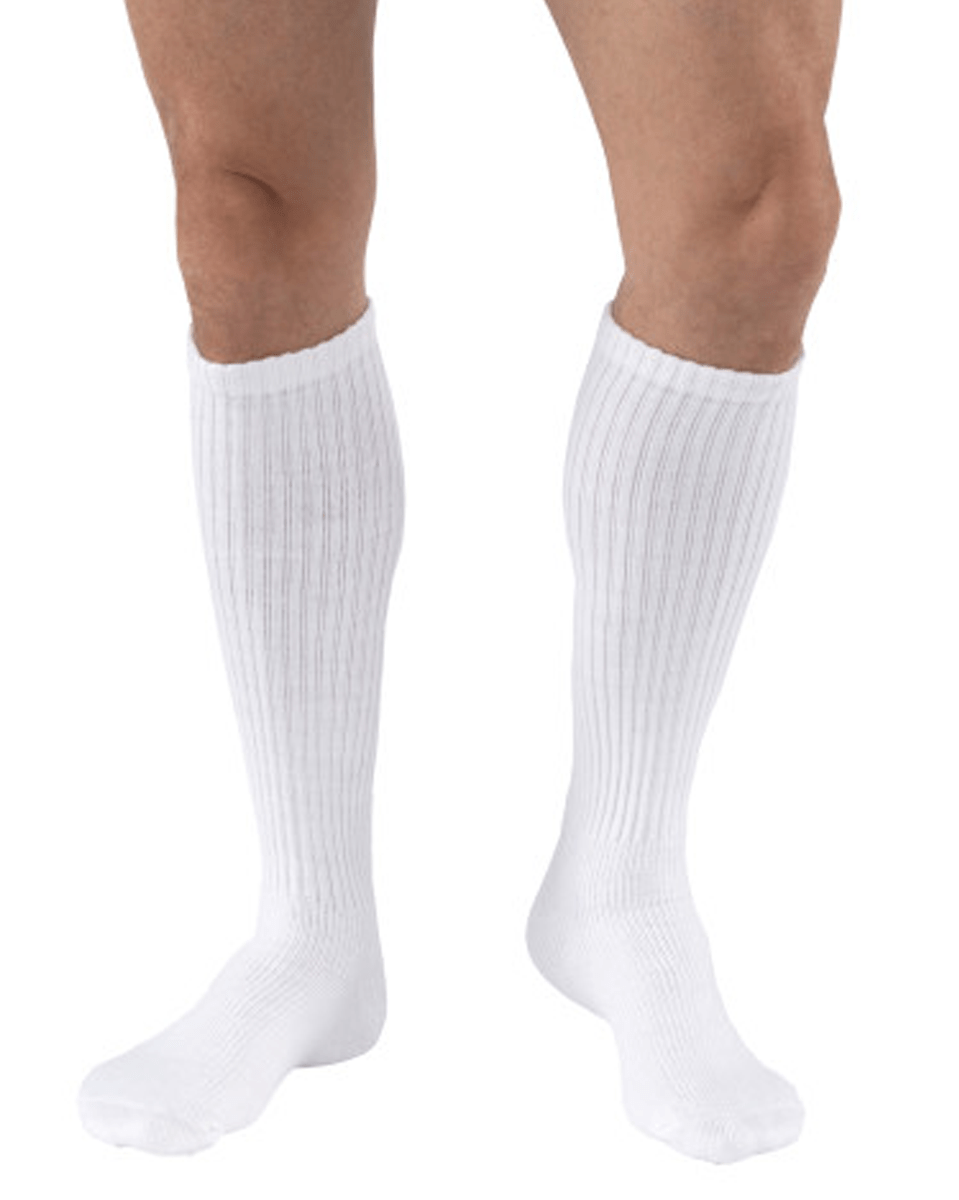
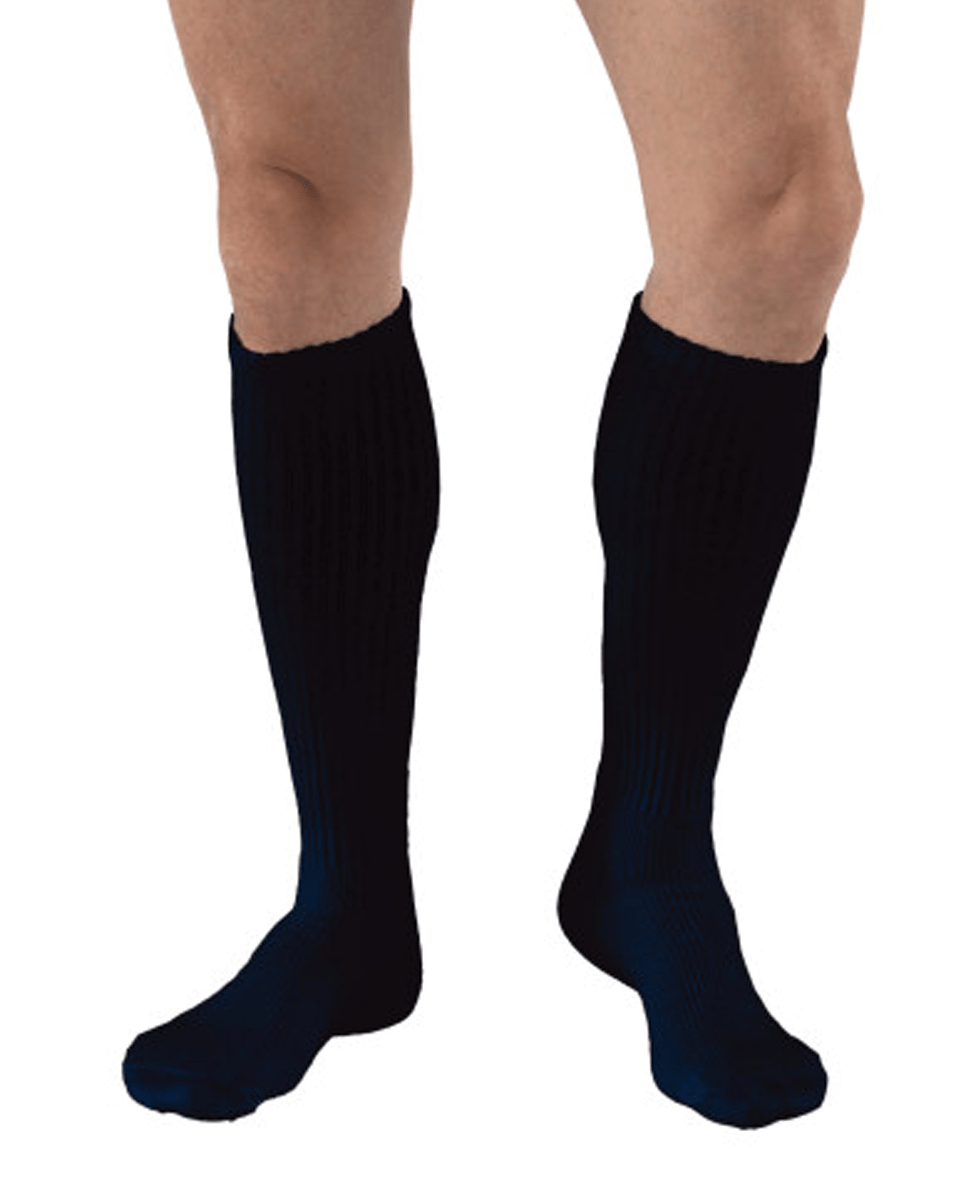
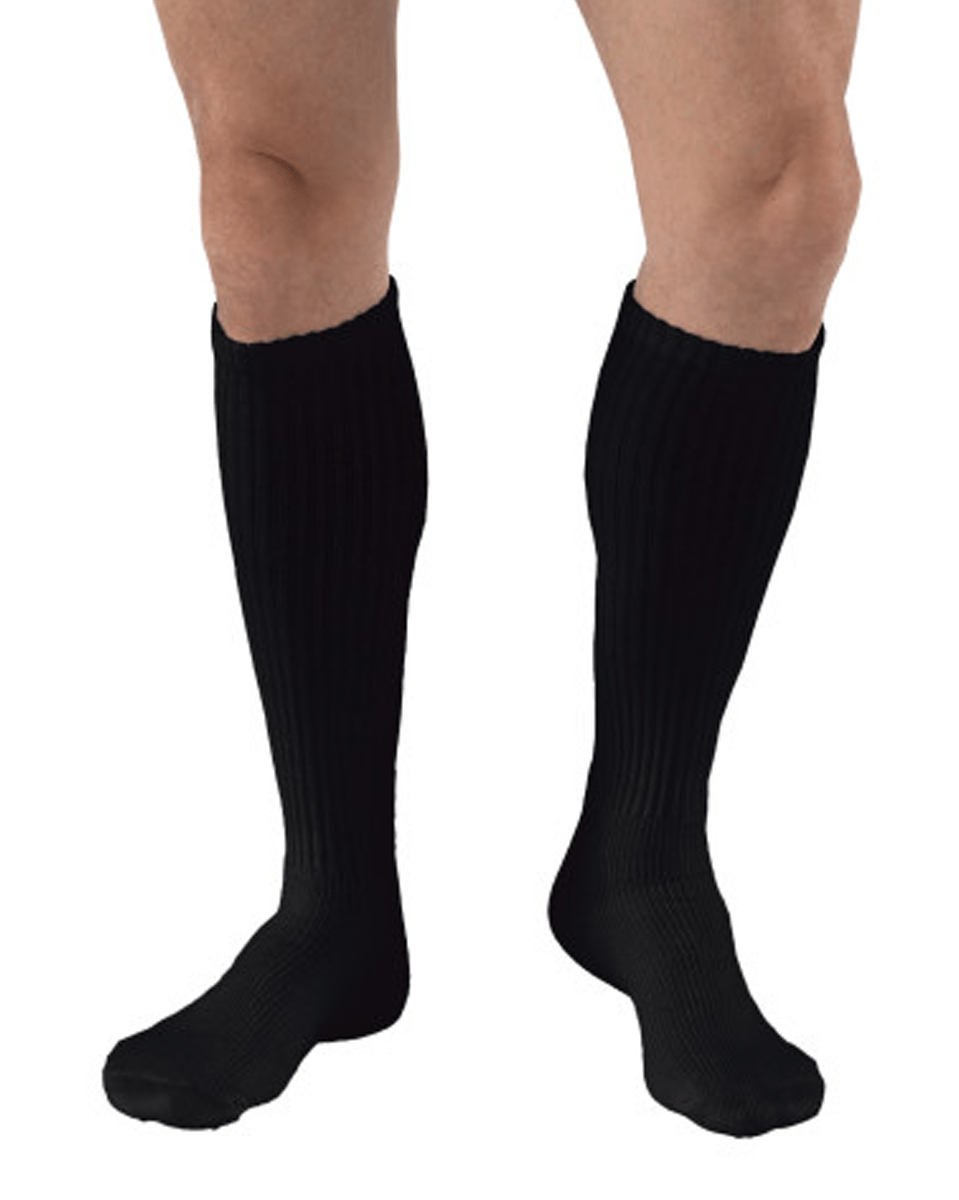
Traditional
Rated, graduated compression · tested mmHg accuracy · proven durability
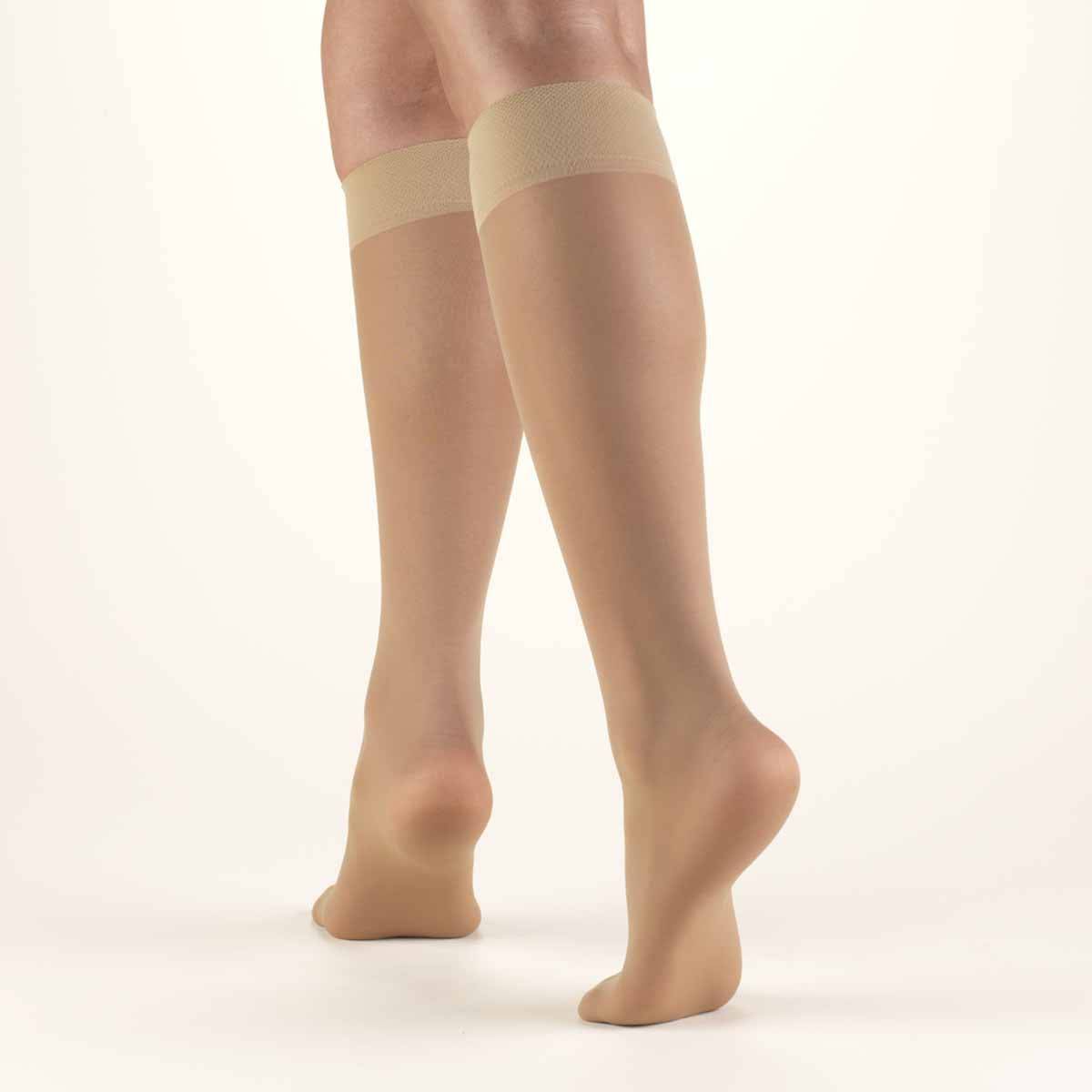
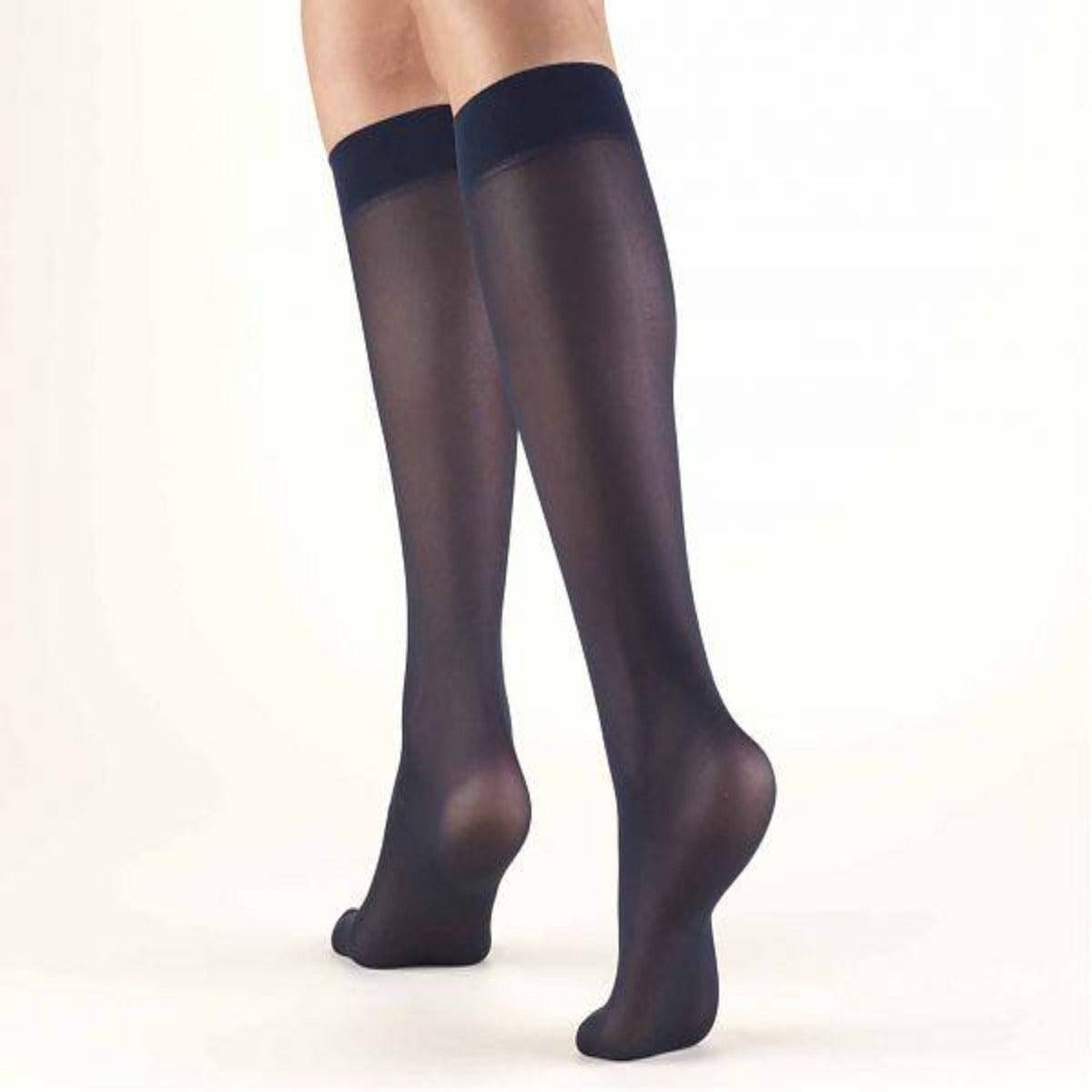
Zippered
Easier on and off · tradeoffs in pressure accuracy and durability
At a Glance
| Traditional | Zippered | |
|---|---|---|
| Donning effort | Takes technique and hand strength; aids help | Easier on and off — the zipper does the work |
| Pressure accuracy | Consistent graduated gradient along the leg | Can be uneven along the zip line |
| mmHg ratings | Stated and tested | Often loosely stated or unverified |
| Durability | Months of daily wear with proper care | The zipper is usually the first failure point |
| Skin considerations | Smooth knit against the skin | Zip track can press or rub |
| Price | Wide range across value and premium lines | Typically low-priced; quality varies widely |
Who zippered socks genuinely help
- Wearers with limited hand strength or grip
- Caregivers who handle donning for someone else
- Temporary post-op wear where convenience matters most
The honest caution
- Many zip socks sold online carry no verified mmHg rating — the same trap as unrated budget socks
- Look for a stated mmHg range and a measurement-based size chart before buying
- If neither is present, treat it as comfort apparel, not compression therapy
Easier donning without giving up the rating
If putting socks on is the obstacle, you can keep true graduated compression and still make life easier:
- Donning gloves and stocking butlers — purpose-built tools that do the pulling for you
- Open-toe styles donned with a foot slip — often the easiest route at firm levels
- Silicone dot or SoftFit-style top bands that hold without a tight welt
- Starting at a lower rated level while you build the routine
- Stretchier knits from JOBST and Juzo that go on with less fight
If containment needs are driving the struggle, ask your provider whether a wrap system is the better fit — see compression wraps.
Quick picks
Frequently Asked Questions
Do zippered compression socks work?
They solve a real donning problem, and some deliver useful compression. But pressure can run uneven along the zip line, sizing is less precise, and many zip socks sold online carry no verified mmHg rating. If you need a specific compression level, a tested, rated garment is the dependable choice.
Are zip socks safe for elderly wearers?
Fit and skin checks are the key. The zip track can press or rub on fragile skin, so check the skin regularly and make sure the sizing is right. In many cases, caregiver help donning a rated traditional garment is the better long-term answer.
Why did my zipper sock fail quickly?
The zipper is usually the first thing to fail — it is the mechanical weak point on a garment that gets stretched and flexed every day. Traditional knit garments avoid that failure point entirely.
What is the easiest real compression sock to put on?
Combine the easy options: a stretchier knit from JOBST or Juzo, an open-toe style donned with a foot slip, a silicone-band top instead of a tight welt, and donning gloves or a stocking butler. Together they make even firm levels manageable.
Do you sell zippered socks?
Our focus is rated, graduated garments plus the donning aids that make them practical. If donning strength is the obstacle, donning gloves, stocking butlers, and open-toe foot slips solve the donning problem while keeping tested graduated compression.
Wondering what a real rating looks like? See medical-grade vs budget compression.